
How to Witness the Great Migration in Tanzania
My husband and I spent 23 hours in a vehicle under the scorching hot sun over the course of three and a half days hoping to witness the wildlife spectacle known as the Great Migration in Tanzania. We planned our entire trip to Africa around this unparalleled experience. Viewing this will require dedication, so I will let you know what it will take and you can decide if it’s for you. I’ll break down everything you need to know to give yourself the best chance to see it for yourself, and answer the ultimate question: is it worth it?
WHAT IS THE GREAT MIGRATION?
The Great Migration is a spectacular phenomenon where 1.5 million wildebeest and 250 thousand zebras migrate between Serengeti National Park in Tanzania and Maasai Mara National Reserve in Kenya in search of fresh grass. They travel in ginormous herds numbering in the thousands, all culminating in the epic and dangerous crossing of the crocodile infested Mara River.

BEST TIME OF YEAR TO GO?
The migration is an annual event that occurs between July and September each year. We went in August.
WHERE TO SEE THE GREAT MIGRATION?
You will see massive herds of wildebeests and zebras in both the Serengeti National Park as well as Maasai Mara National Reserve during this time.
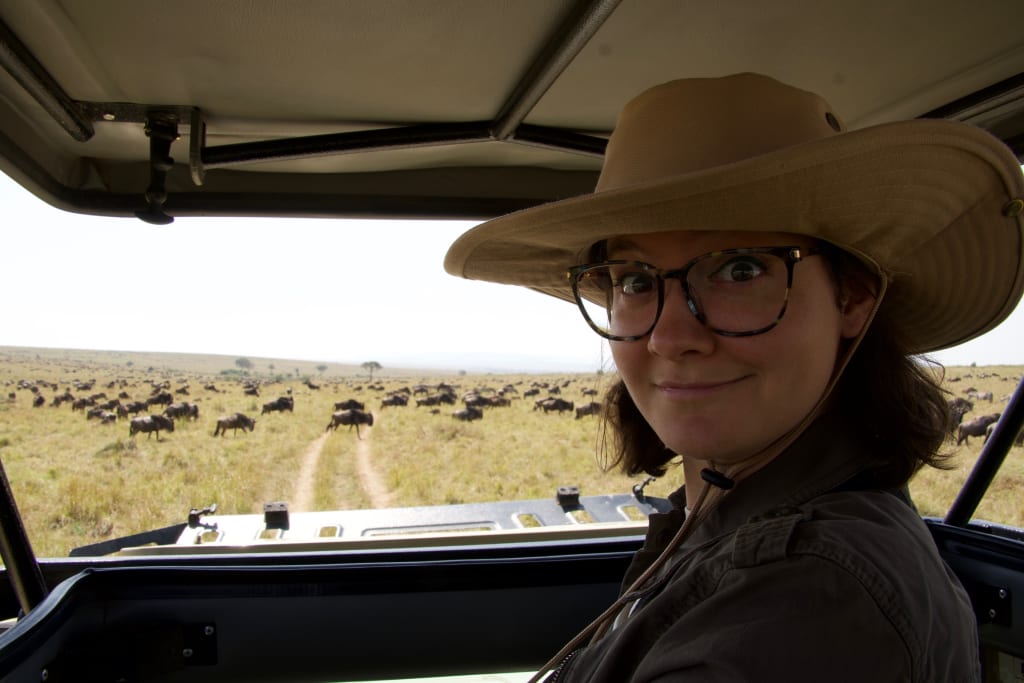
However, the famous river crossing occurs in the Northern Serengeti. While there are other species to view here, the primary draw of the region is the wildebeest migration, and I would recommend dedicating your time to waiting patiently for the crossing if you make your way to this part of the park.


Serengeti National Park covers an astounding 5,700 square miles and is divided into distinct regions. If your primary goal is to see the Big 5 (lions, elephants, leopards, buffalo, and rhinos), you will likely head to Central Serengeti. The wildlife density is unparalleled here, but that also comes with the most tourists. Our guide at EasyTravel Tanzania recommended the Western Serengeti, although you’ll have to balance the trade-off of fewer wildlife sightings with fewer vehicles competing for the prime view.
HOW OFTEN DO THE CROSSINGS OCCUR?
Wildebeest are notoriously unintelligent creatures and are known to hesitate and change their minds very often. Massive herds of thousands of wildebeest will gather at the shore for hours, peering in the water, even jumping in, but then decide against the crossing at the last moment.
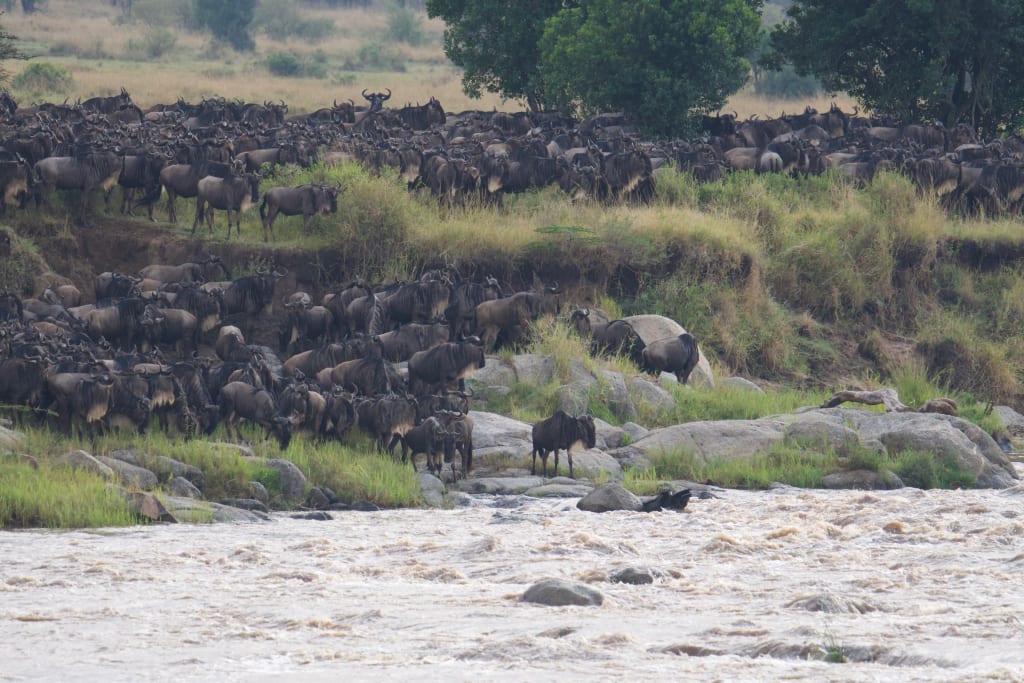
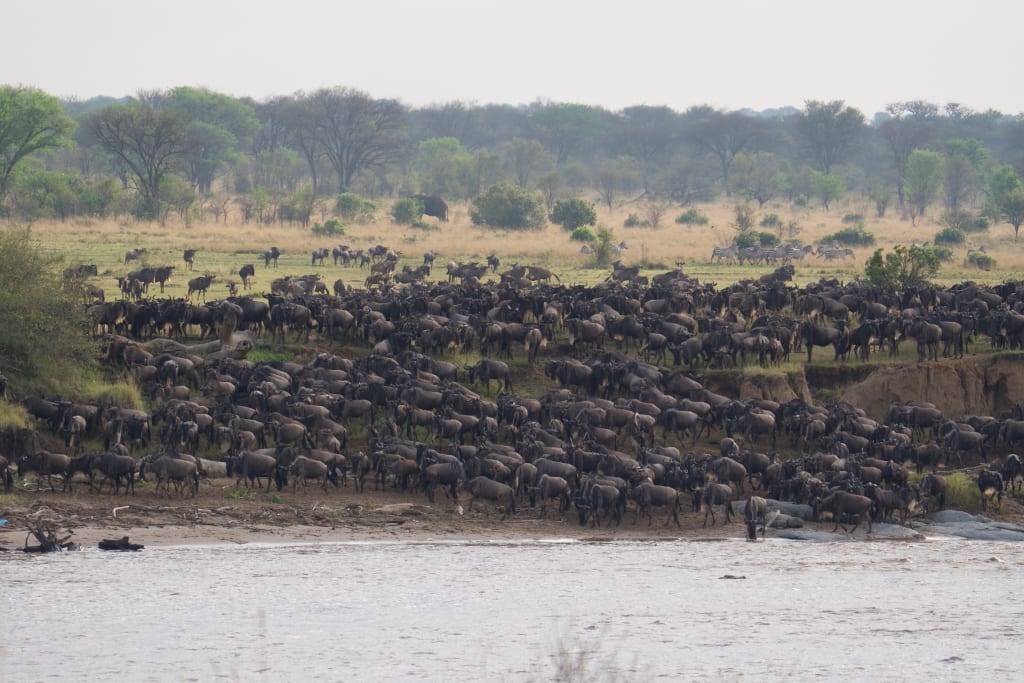
Then they’ll frantically sprint to another crossing point, just to retreat to the woods shortly after their arrival. Patience is of the utmost importance here.
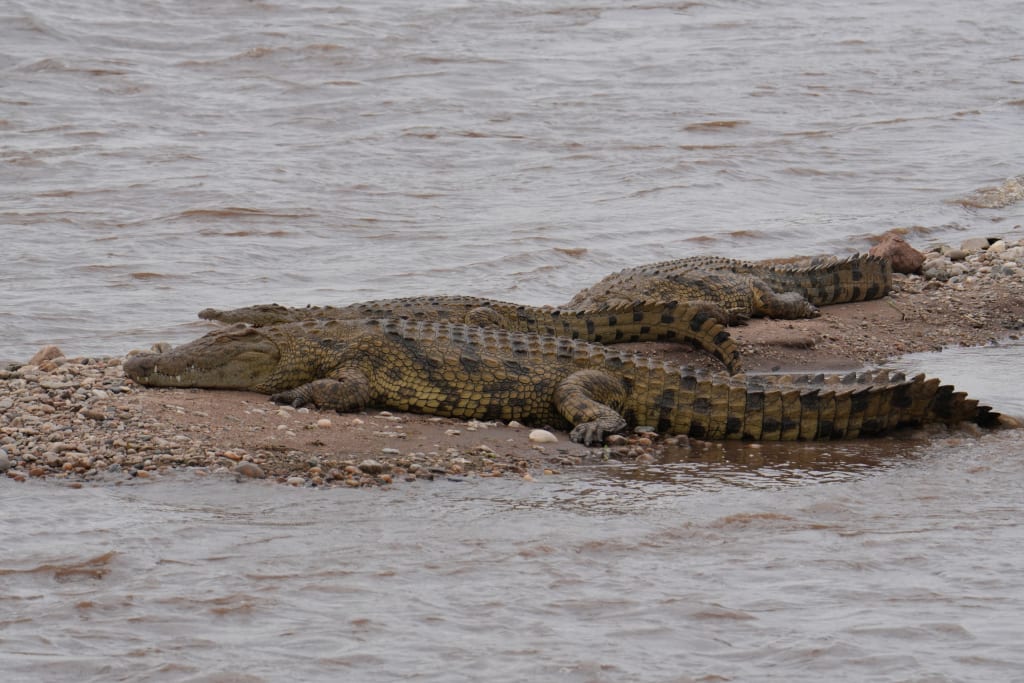
Wildlife crossings are not constant, and depend on a number of factors, including water levels and the presence of crocodiles. Recent rains mean it’s less likely for the wildebeest to cross, as water levels will be high and the water flow will flow too quickly. Sadly, we did see a number of wildebeest drown during the crossing, even though it hadn’t rained in days by the time we saw it. We were also surprised that the crocodiles didn’t have the wits to hide themselves, but rather grotesquely lurked along the edge of the bank awaiting their feast.

HOW MANY DAYS DO YOU NEED?
Because the crossings are sporadic, I would recommend 3 full days at a minimum. We met many disappointed tourists who spent 2 days waiting, and had their hopes dashed. I wouldn’t recommend more than 4, though, because there is a lot of down time and it does get rather dull, not to mention the opportunity cost of excellent wildlife viewings in other parks or other regions of the Serengeti.
IS IT TOURISTY?
No sugar coating this one: the answer is yes. An unbelievable number of cars were lined up at the river’s shore, especially by mid-morning. Alex and I spent hours sitting in the vehicle waiting for the action, so we had time to count. There were 163 cars. To avoid the crowds, get a very early start on the day (5:30am wake-up call), get to the banks early, and cross your fingers that there’s a crossing. The wildebeest tend to prefer early mornings or evenings, so your chances are strongest then, and that’s the best chance of getting a prime seat.
DO YOU NEED A GUIDE?
Without question. The Mara River stretches for 245 miles (395 kilometers) but there are only 10 points along the river where wildebeests attempt to cross to the other side. There is no signage along the way, making the crossing spots nearly impossible to find on your own. More importantly, the guides communicate over radio when there are signs that a crossing might take place at a particular point, so your vehicle has time to make it there before the action is over. I would also recommend going with a larger tour company, because guides are more incentivized to share updates with their colleagues than over the broader radio station with hundreds of vehicles, so with a larger company that might have five other vehicles or more onsite, you have more eyes in the field.
I would also recommend hiring a private guide so you can go at your own pace, start the day when you want, take bathroom breaks when you need, etc.
I personally went with EasyTravel Tanzania, and have nothing but positive things to say, especially when it comes to our outstanding guide, Iddy. Not only is Iddy incredibly knowledgeable about wildlife, he’s also an expert photographer and track/print identifier, which are incredibly rare qualities in a guide. He even got certified in his track identification skills by a group in South Africa. His knowledge went above and beyond what we’ve seen from other safari guides we’ve had in the past, and he seemed to have a sixth sense about wildlife, positioning our vehicle in exactly the right places and predicting where the animals would move next to ensure we had a front-row seat to the action.
WHERE TO STAY?
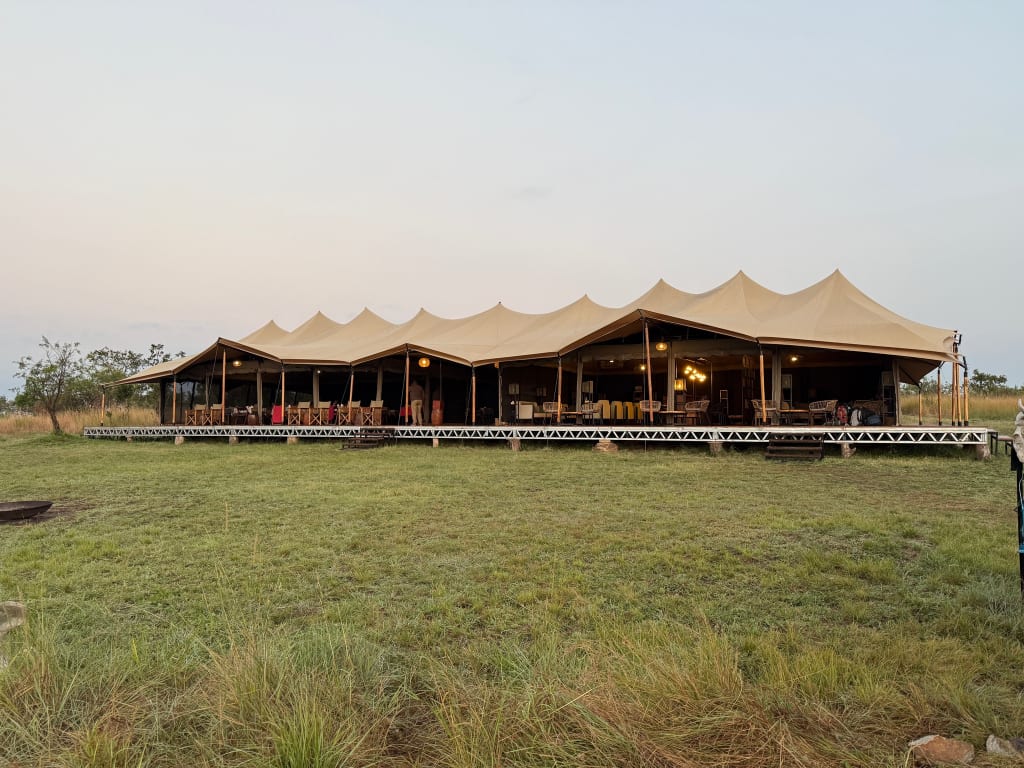
Your safari company will organize all your lodges, so no need to heavily research this yourself. One thing to note about the lodges in the Northern Serengeti in particular is that, since the migration is seasonal and the main appeal of the region, many of the hotels are seasonal too, so the most common accommodation is tented camps with more limited facilities than we found elsewhere. We stayed at Nyikani Kogatende, where we had a particularly memorable experience with the showers. You had to call the staff on the radio to request a shower, and they would stand outside your tent and add hot water to a tank. You would have approximately 1 minute of hot water, so we would turn it on to get wet, turn it back off to soap up, and then turn it back on to rinse. We had the option to do a follow up shower if the first wasn’t enough, since the staff member would be outside the tent and ask if you needed a second round. I didn’t mind the arrangement myself (it ended up being quite comical) but this might not be your cup of tea if you’re someone accustomed to more luxury experiences.
OUR EXPERIENCE
Alex and I spent 3 full days in the Northern Serengeti waiting for the crossing. By the evening of the third day with no success, we had started to reluctantly accept the possibility that in all likelihood we would not be fortunate enough to witness a crossing. But alas, luck was on our side the morning we were set to depart, and we saw a full-blown crossing with a front-row seat.
The first few days were long. We would sit in the safari vehicle for 6-9 long hours each day under the scorching sun, staring at the river bank.

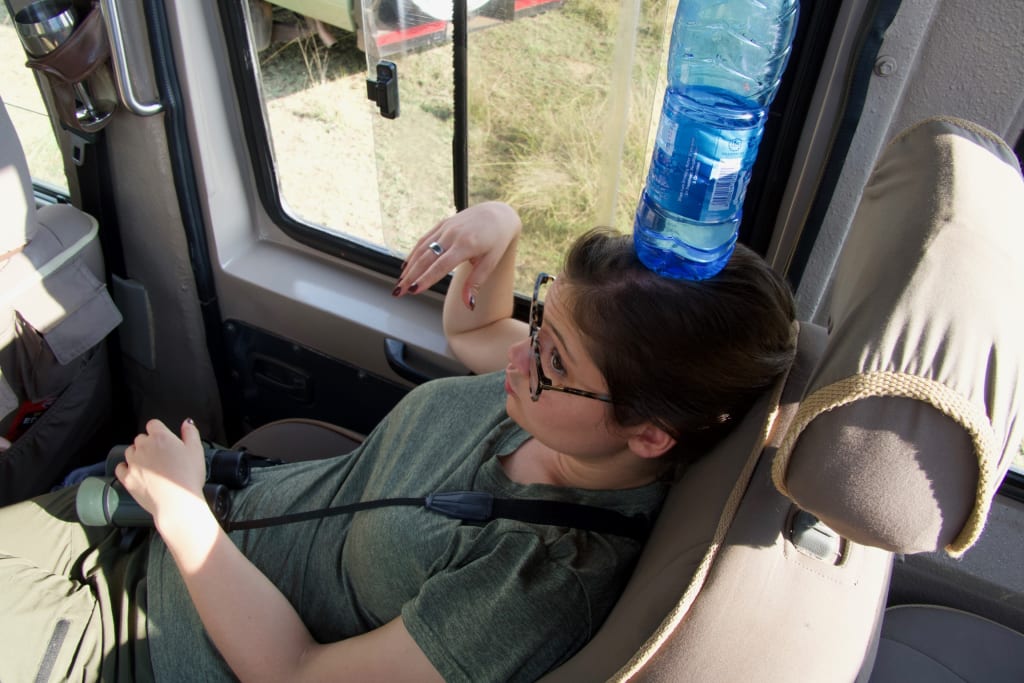
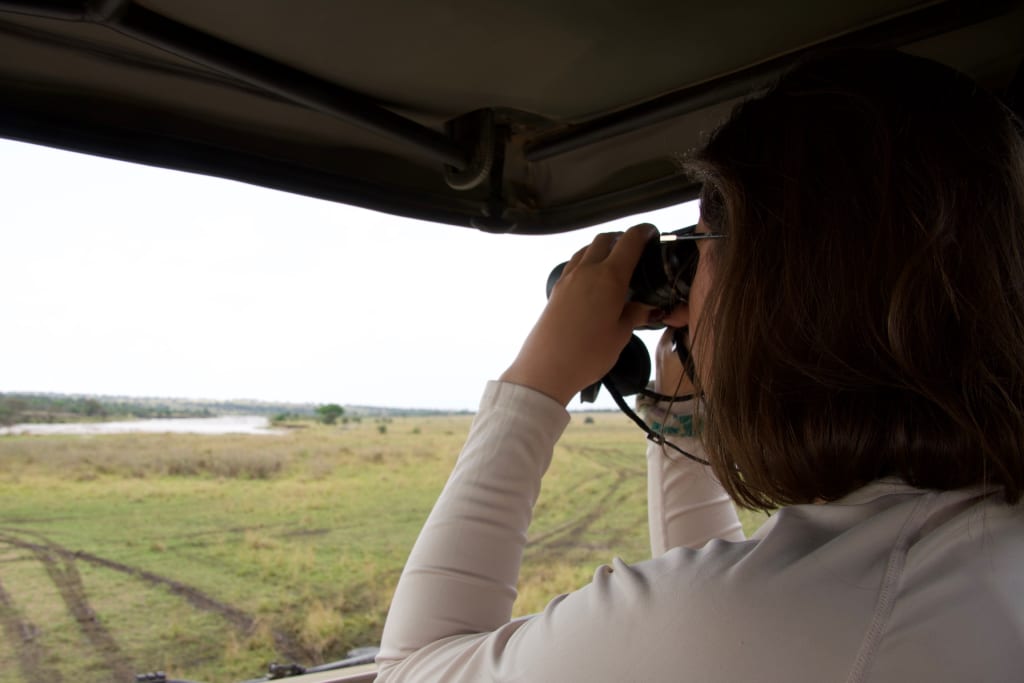
The wildebeests were very active, and would gather at the bank multiple times per day, peering over, considering their options, and getting us excited in anticipatory glee, only to dash our hopes time and time again. Those fickle wildebeests!
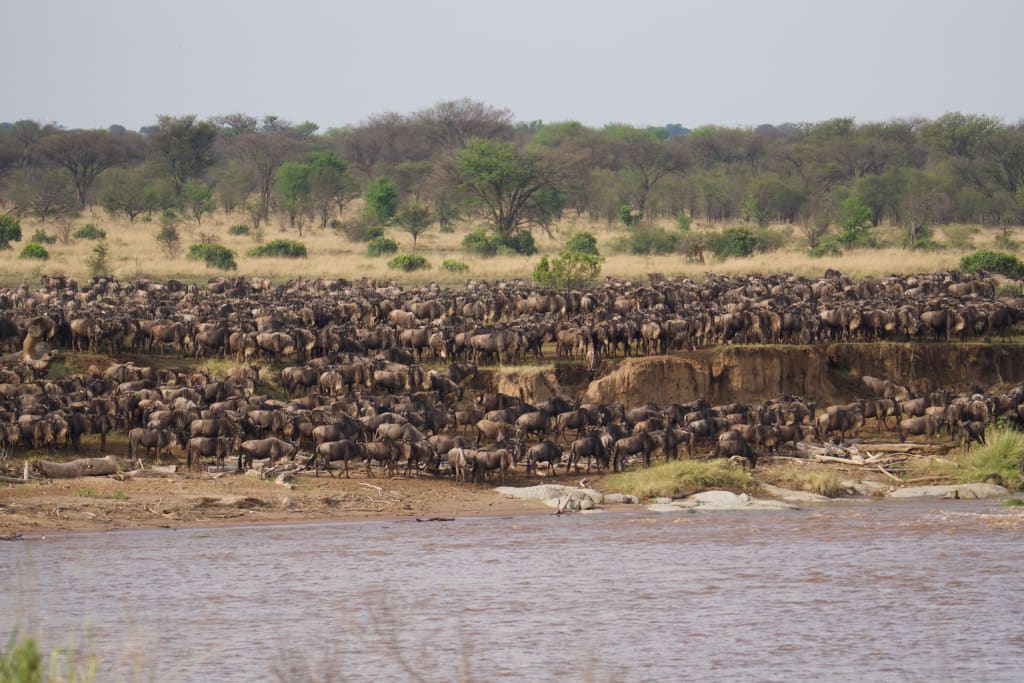
Our guide, Iddy, was constantly on the radio communicating with other guides nearby in Swahili, so we didn’t think much when he engaged in a particularly lengthy back and forth in the middle of our second day. We knew something was about to happen when he frantically sped off with no warning, at twice the speed he had been traveling at all morning. This was it! We held on with baited breath, trying to make sense of what was going on. As we reached the banks of crossing point 10, however, our worst fear was confirmed. The crossing was already over. This was a devastating blow after so many hours of waiting for our shot.
All hope was not lost though, and we saw a mini crossing of six stranded wildebeest on the way back to the camp. They all struggled to get back up on the riverbank on the other side and kept sliding backwards and falling on top of each other. One got tired waiting in the water and floated downstream. Minutes later we saw a small wildebeest carcass floating down the river that a crocodile greedily grabbed. We were happy to have witnessed anything (we were one of only two vehicles to witness this event), but we went back to the hotel a little deflated, hoping against all odds to see a full scale crossing on our final morning.
A more discouraged traveler might have given up and headed straight for the Central Serengeti, our next stop on the itinerary. We weren’t ready to throw in the towel, though, and woke up bright and early to head straight for the river.
A few short kilometers before we reached the bank, the radio started going crazy. Our ears tuned in, hoping to catch a word in Swahili that we recognized (saba = seven, the crossing point where the wildebeests had been congregating for the past few days). “They’re crossing,” our guide practically yelled, and we sped to the river. We secured a front-row seat right on the river bank, delighted to discover that most other travelers opted to sleep in that morning.
Two lines of wildebeests were leaping fearlessly into the water and paddling their way across.
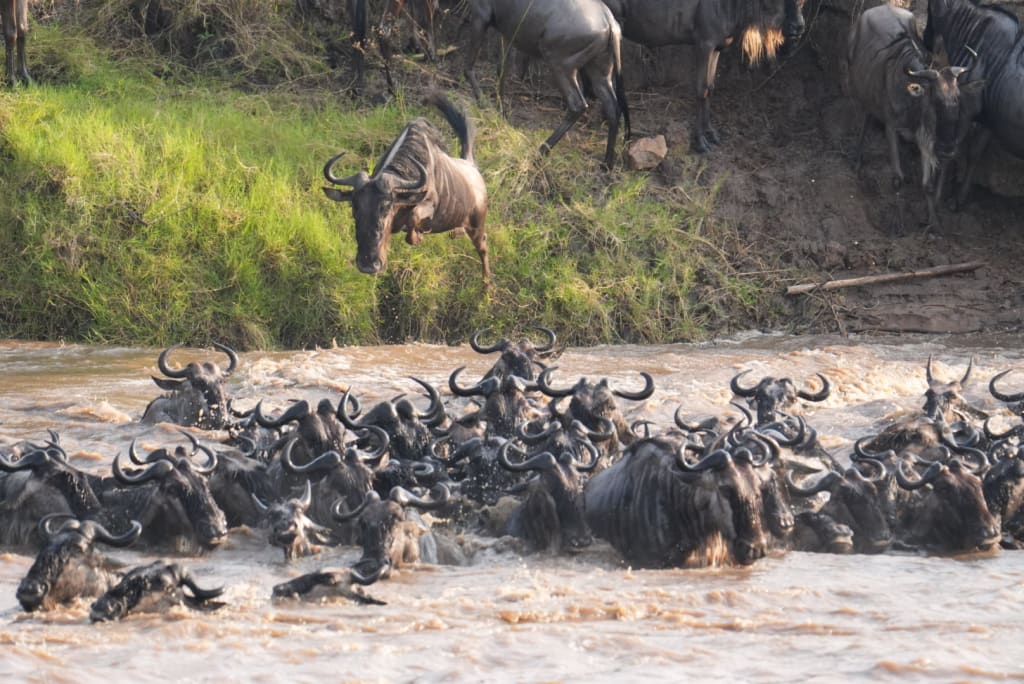
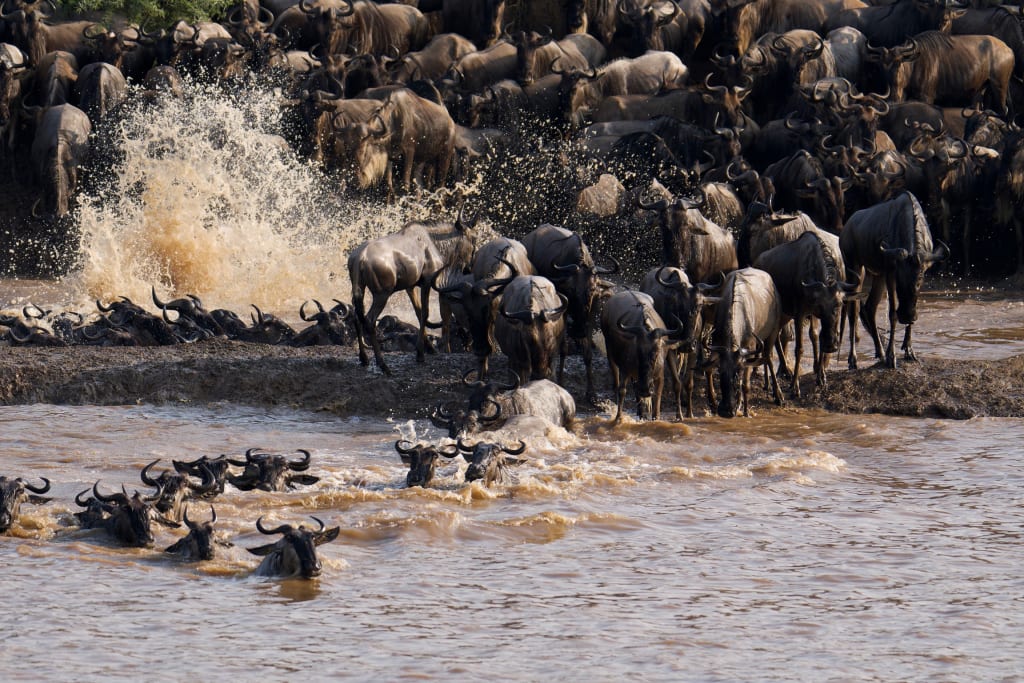

Wet wildebeest ran frantically up the bank on the other side, elated to have made it to the other side alive.
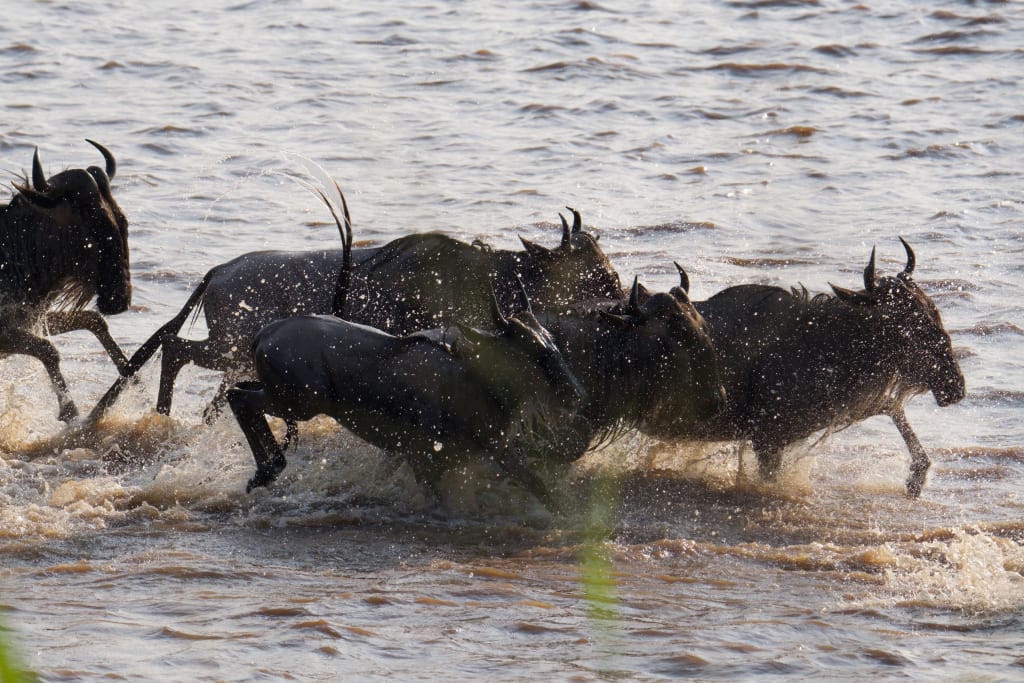
But not all wildebeest would be lucky enough to share the same fate. Some wildebeest would drown from pure exhaustion, or get snagged by an opportunistic crocodile.

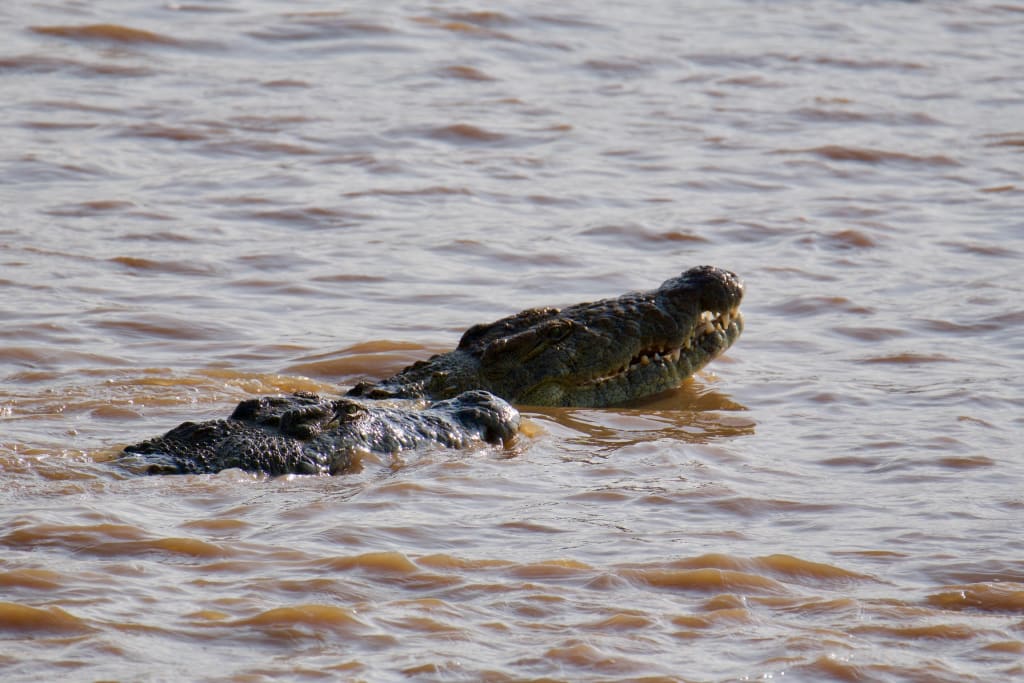
We witnessed one spectacle at the end where a crocodile battled a wildebeest for a solid 10 minutes. The crocodile grabbed the wildebeest’s rear mid-river, but the wildebeest summoned all the strength it had and continued to swim towards the bank.

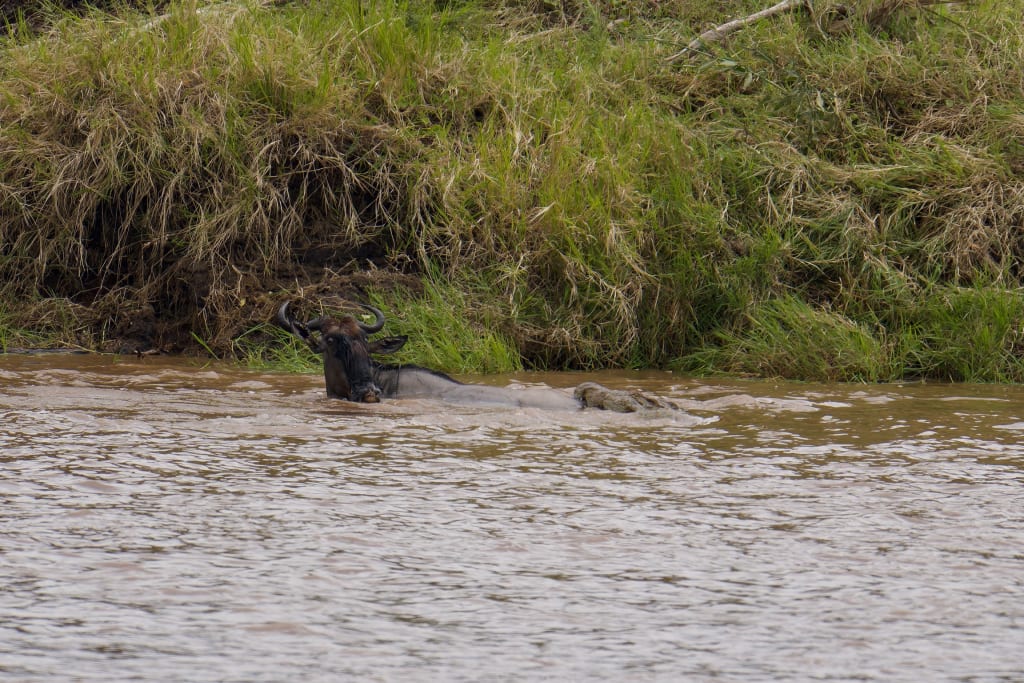
It even reached the shore and started climbing out of the river, crocodile in tow, and we began to have hope for the wildebeest’s survival. The wildebeest’s strength was giving out though, and crocodile and wildebeest together receded back into the water. Another crocodile saw its opportunity and made its way over, inching closer and closer until the wildebeest’s face was just inches away. It hesitated, then attacked, and the two crocodiles together now had the strength to drown their victim and split the winnings.
SO, WAS IT WORTH IT?
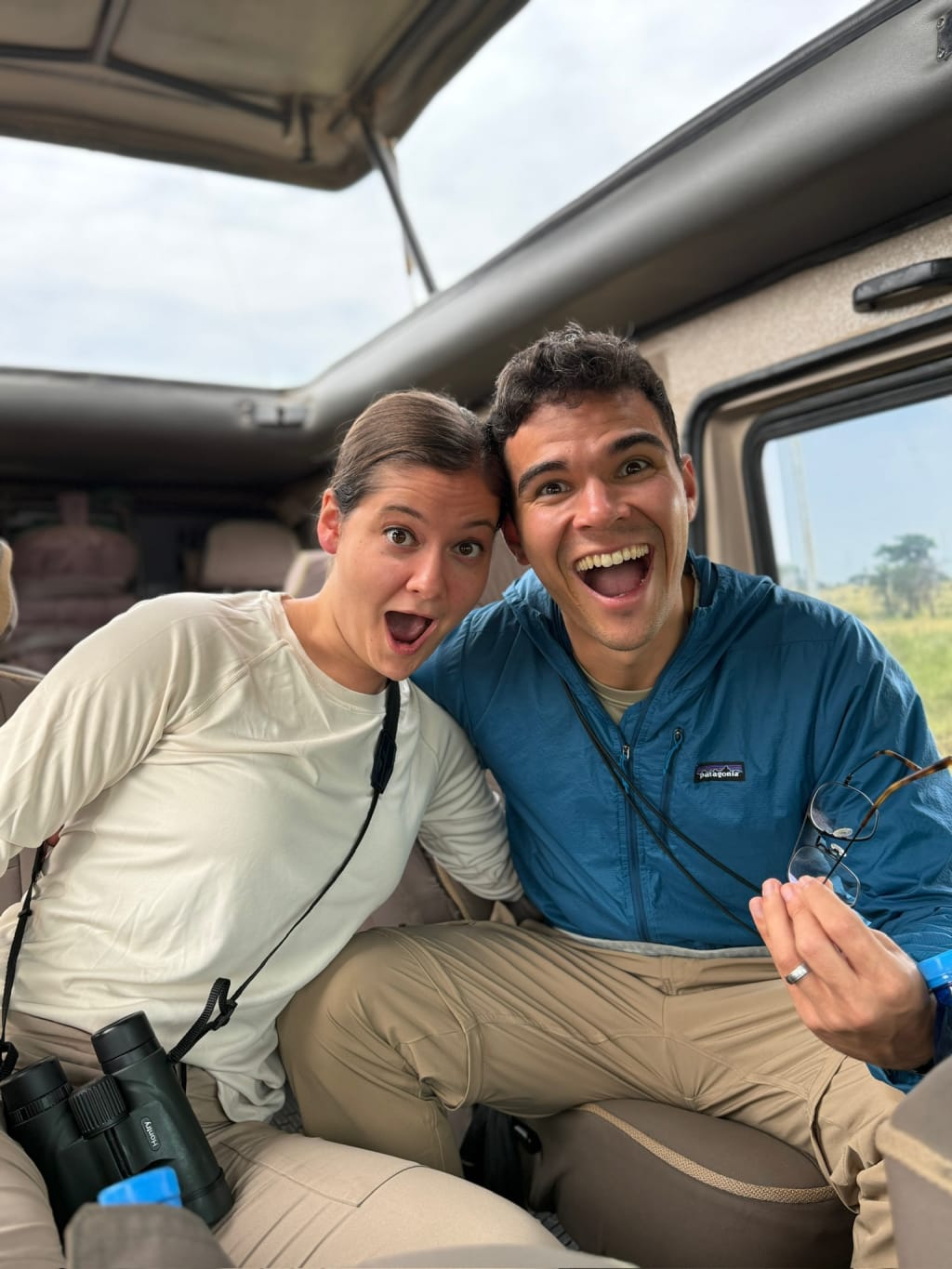
The answer is: it depends! For us (wildlife enthusiasts who were able to carve out two weeks for our trip to Kenya and Tanzania) it was absolutely worth it. It felt like our own personal wildlife documentary and even though we have had the privilege of going on safari in three different countries, this level of activity and inter-species interaction (with wildebeests, zebras, crocodiles, and hippos) is rare and exciting.
That being said, if you have a week or less on your trip, it’s your first safari, or you tend to be impatient when traveling, it might not be the best fit. It requires carving out at least 3 days and a lot of optimism, and comes at the opportunity cost of more frequent wildlife sightings in other locations. You have to be willing to wait days for something that might last just an hour.
FAQs
What was the bathroom situation?
There are bathrooms in the parks, although they are few and far between. I would highly recommend bringing your own roll of toilet paper and hand sanitizer every day as availability in the facilities is not guaranteed. I also found Asian toilets to be more common than Western toilets.
More often than not, we ended up doing a bush pee, which involved pulling off to a remote corner of the park and urinating behind the vehicle. If you are not comfortable with this, the guide will find facilities for you, but as I mentioned it is often a lengthy drive to get to the nearest facility and it will reduce the amount of time you have for wildlife viewing.
How long does a crossing last?
It depends on the number of wildebeests trying to cross. Our crossing lasted about an hour but we had a huge group of thousands of wildebeests.
What are the odds of seeing a crossing on a given day?
The chances of seeing a crossing on a given day between July and September are roughly 50%, but chances can increase or decrease based on the weather. For example, rain means it is less likely to see a crossing, potentially for the next few days.
Is it gory?
It is not gory per se, and I did not witness giant bloody scenes during the Great Migration, but you will witness conflict and death. I will say, it was more peaceful and less violent than I was anticipating, and the prey tended to be very calm even when the end was near.
Do you need binoculars?
Yes! They are a must, and if possible I would recommend getting a pair for each person on the trip, as it can be cumbersome to constantly adjust the settings for each person, especially in high action moments. It is an added expense, but the safari is a significant investment of capital, and it is worth investing in the right gear to maximize the experience you have. The tour operator usually provides one pair of binoculars, but they will use them to spot wildlife as well so you are sharing with a number of people. My husband has 8x40 Crossfire Vortex binoculars and loves them.
What camera lens is recommended?
I would recommend a zoom lens for the best photos, especially since the river might be at a distance due to the number of vehicles. My husband has a 200-600mm Sony zoom lens that took the majority of the photos in this article, paired with a Sony a6700 camera. He also brought an 18-300 mm all-in-one zoom lens on this trip.
Do safari vehicles have AC?
Often they do not. When you are driving, it is not as much of a concern, because guides often keep the windows open and in most vehicles the roof of the car pops up and allows in a lot of air. However, while waiting for the crossing you will largely be parked in one spot, and the sun is strong. I recommend packing a portable hand-held fan, sunscreen, and a wide brimmed hat.
How rough are the roads? Will I get carsick?
The roads are not paved in Tanzania, so you will get to experience what they humorously describe as an African massage. It is bumpy but the roads are not too windy so I personally did not have an issue with car sickness.
How early do days start and how late do they end?
If you have a private guide, that is up to you. However, it is highly recommended to start early as animals are more active when it is cooler, so during the mornings and evenings. It is better to get up early and take a nap around lunch than start late.
How far in advance should you book a migration safari?
Since this is a seasonal and very popular event, I would recommend booking 1 year in advance. It is possible to book with less time, but it is challenging and likely to be a little more stressful. I booked my August safari at the end of December (~8 months in advance) and had to reschedule the dates because lodges filled up as I was in the process of booking.
Is it safe to watch a crossing?
Yes, you will stay in the vehicle as you wait for the crossing, so there is no concern about the local wildlife. As is probably obvious, stay away from the river bank, as there are hippos (the most dangerous species in Africa) and crocodiles nearby.
What should you bring specifically for waiting at the river?
I would recommend bringing a handheld fan, sunscreen, bug spray, a wide brimmed hat, any medications you might need, water (usually provided by the tour operator), toilet paper, hand sanitizer, wet wipes, binoculars, a camera with a zoom lens, Advil, snacks, a long-sleeve shirt (for the mornings and evenings), and sunglasses.
Do you need malaria medication for this region?
It is recommended to get a prescription to prevent malaria, yes. I have taken atovaquone/proguanil (Malarone) many times now and have never experienced side effects. However, my guide Iddy told me that there has not been a single case of malaria in Tanzania in the last decade.