I was so nervous about how the Egypt photos would turn out. It was my first time traveling abroad without Alex in over a decade, which meant not only would I miss having my best friend by my side, but I’d also be on my own for photos. (Alex is the photographer, I am the travel planner. It’s a good system!).
I was terrified I’d come home with haphazardly shot photos. Blurry subjects. Botched camera settings. Washed out skies. What a nightmare.
But I should have been more confident in myself. I was so pleased with my photos. I even had a hard time narrowing it down to just 30 to share in this article!
Egypt makes my job look easy, though. There is so much beauty in every corner of this country. So, without further ado, here are my favorite 30 photos from the week I spent in Egypt. I hope these photos will inspire you to consider booking a flight to this incredible place to see it for yourself.
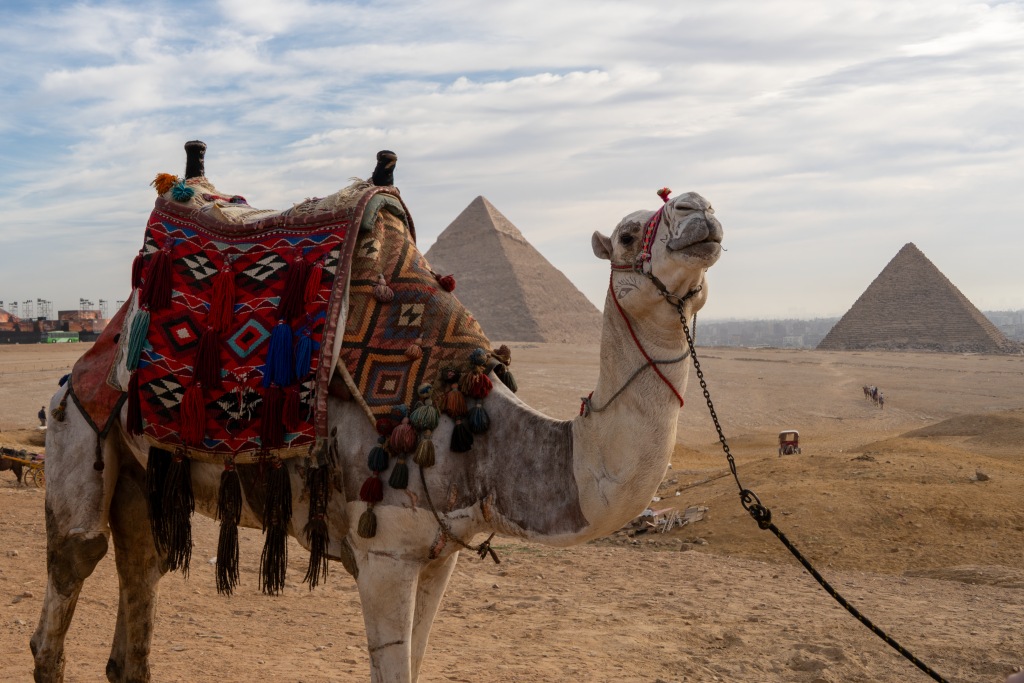
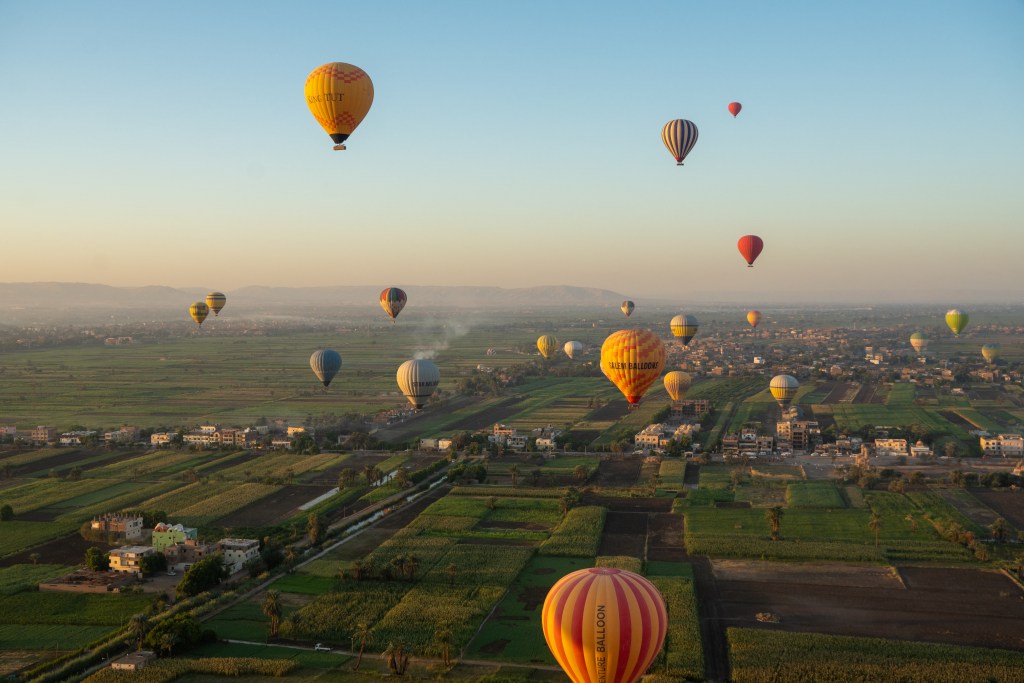
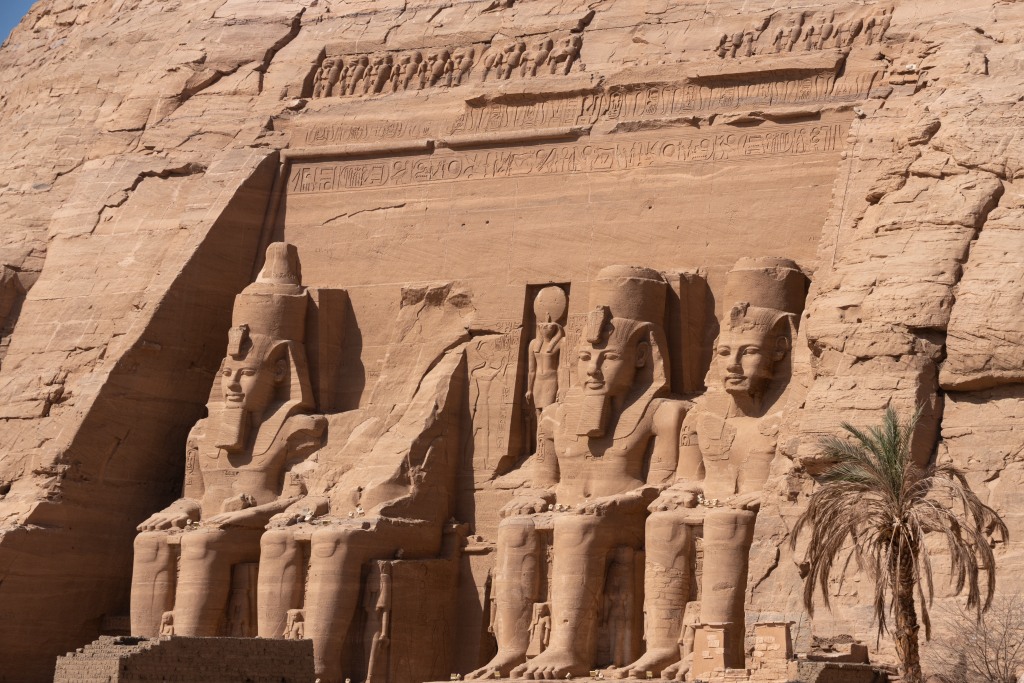
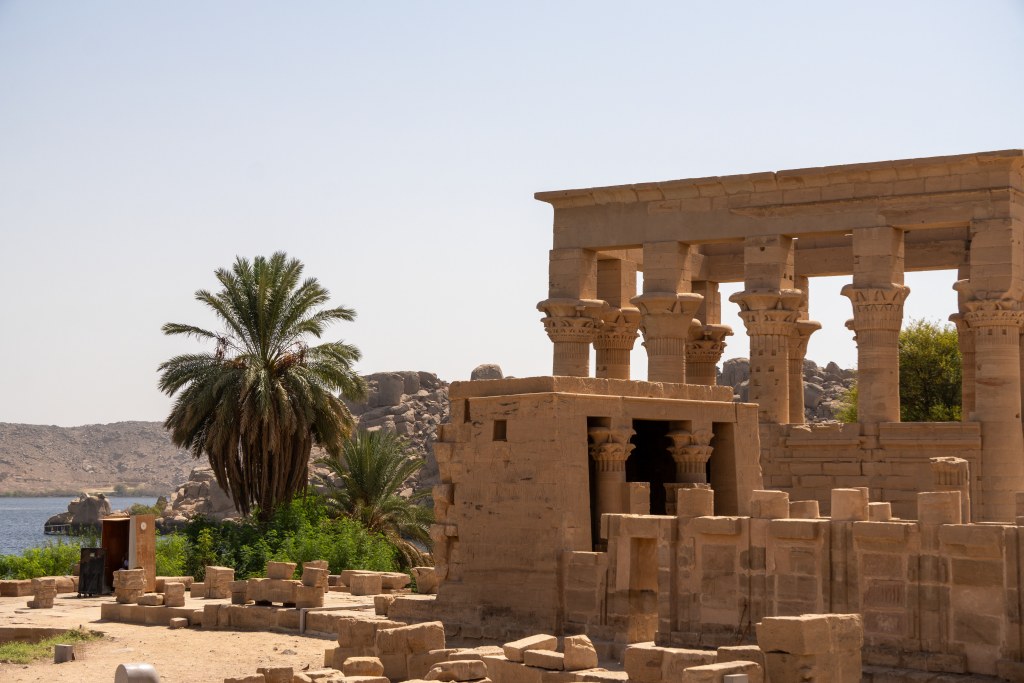
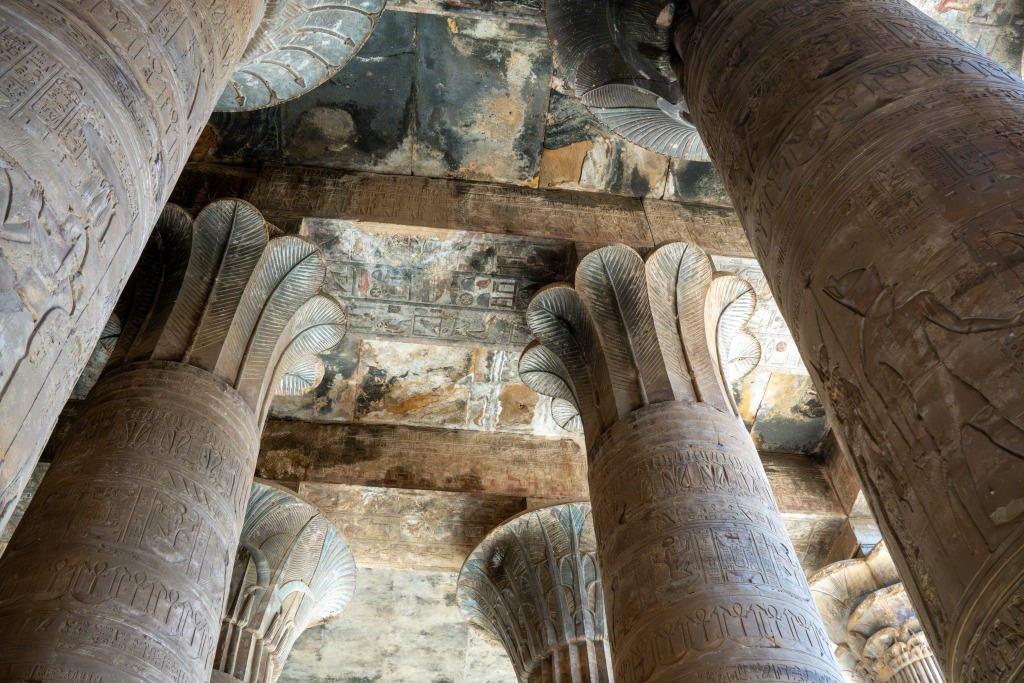
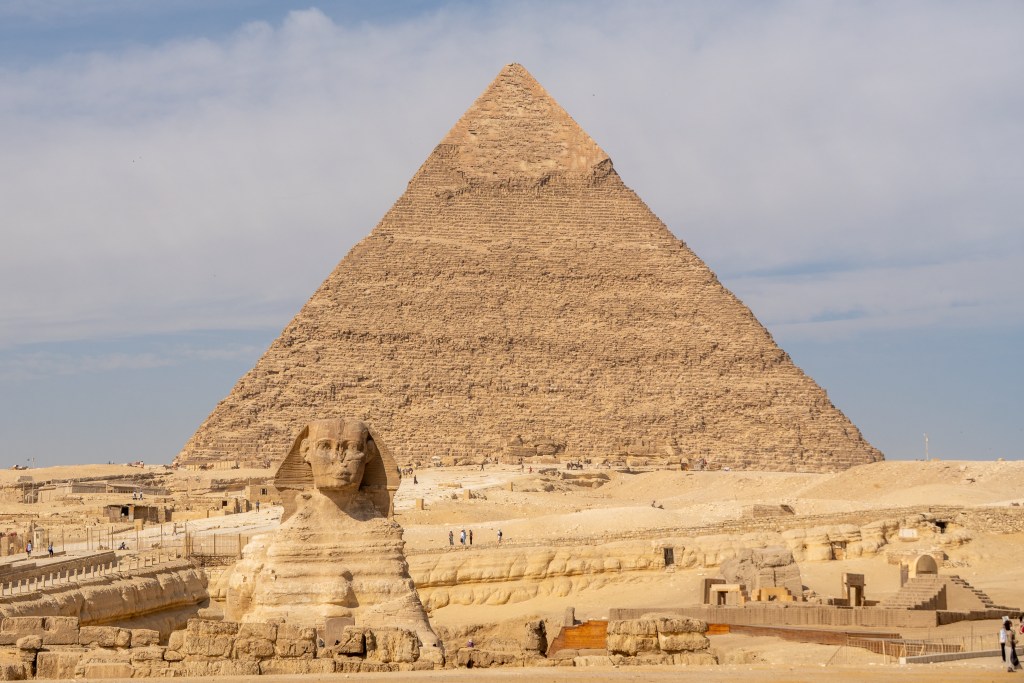
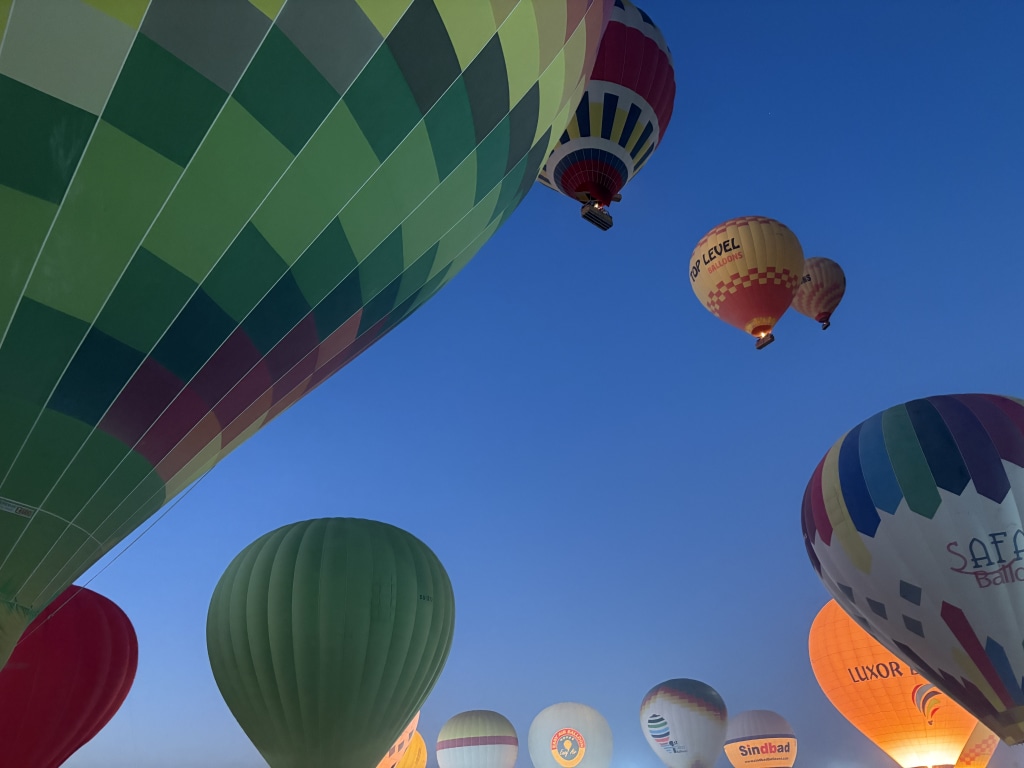
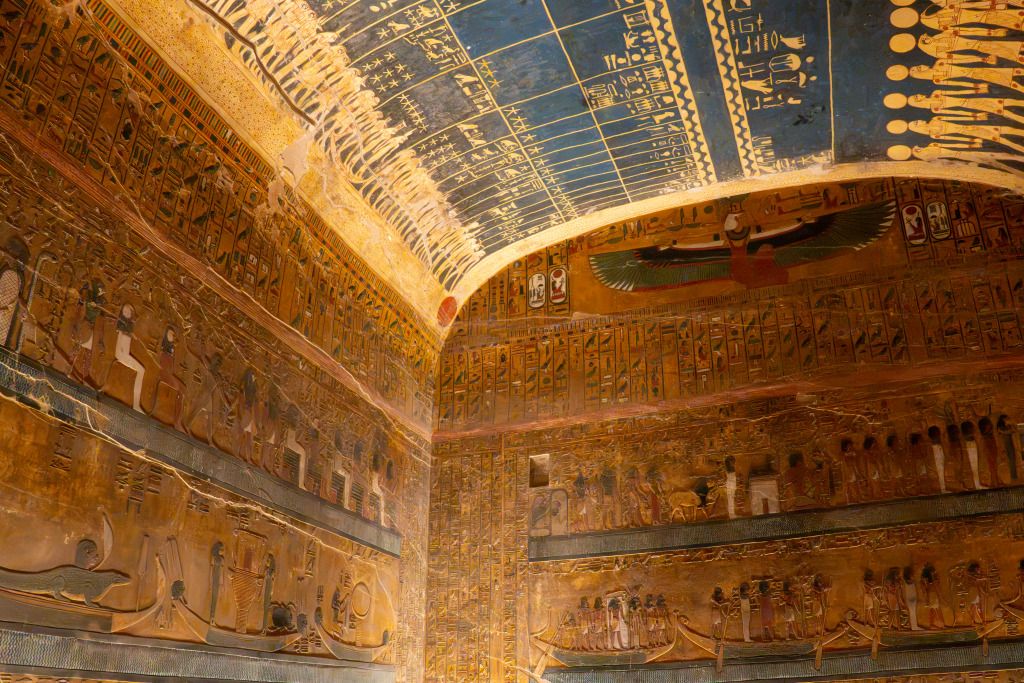
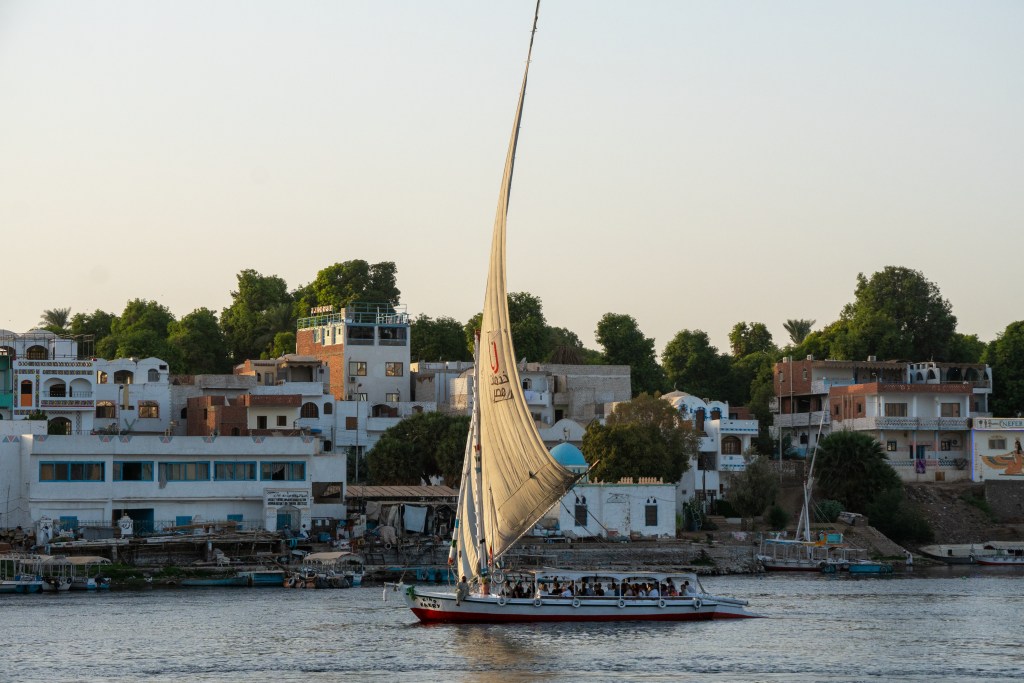
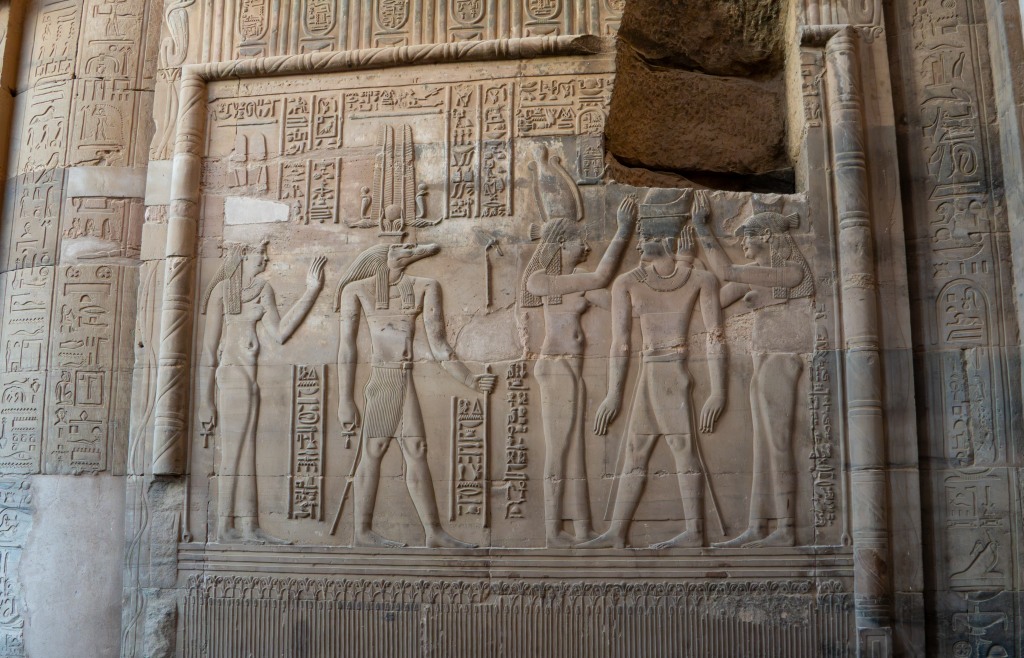
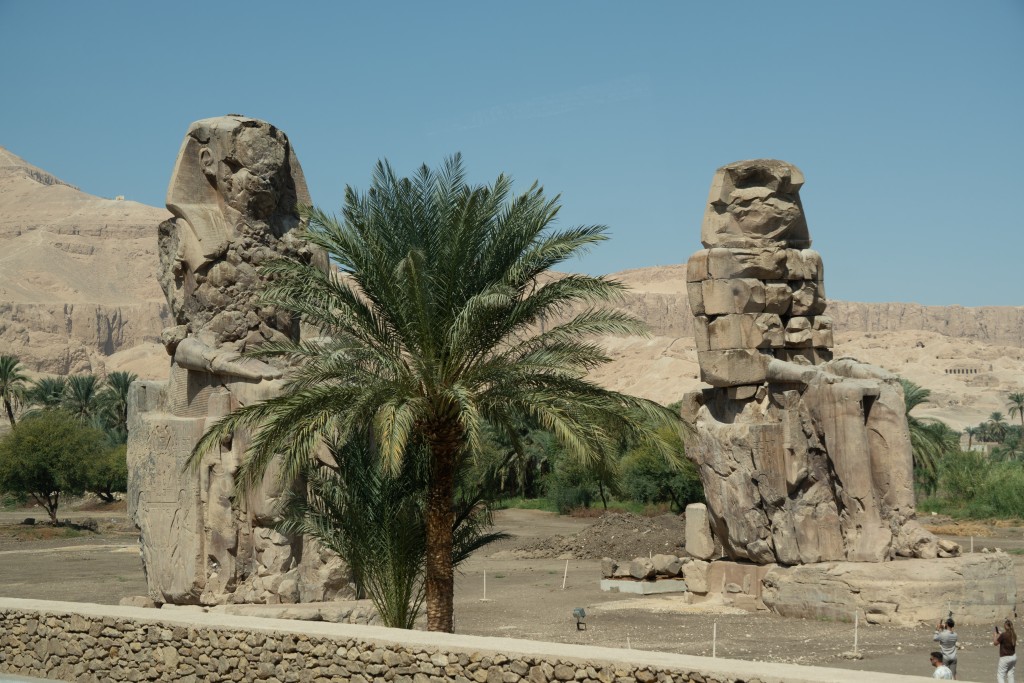
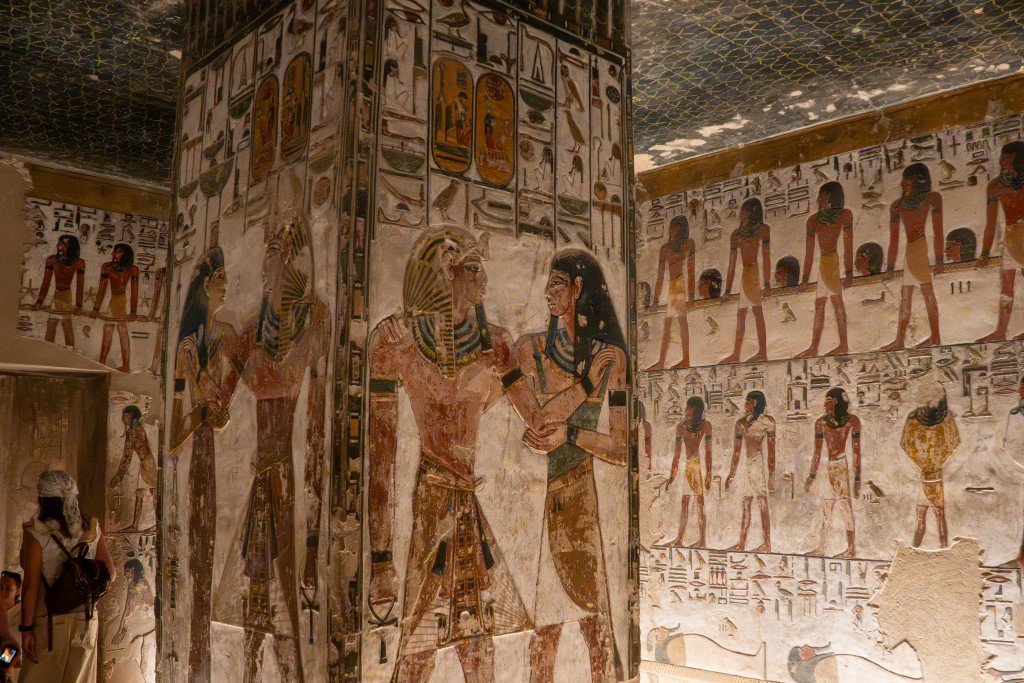
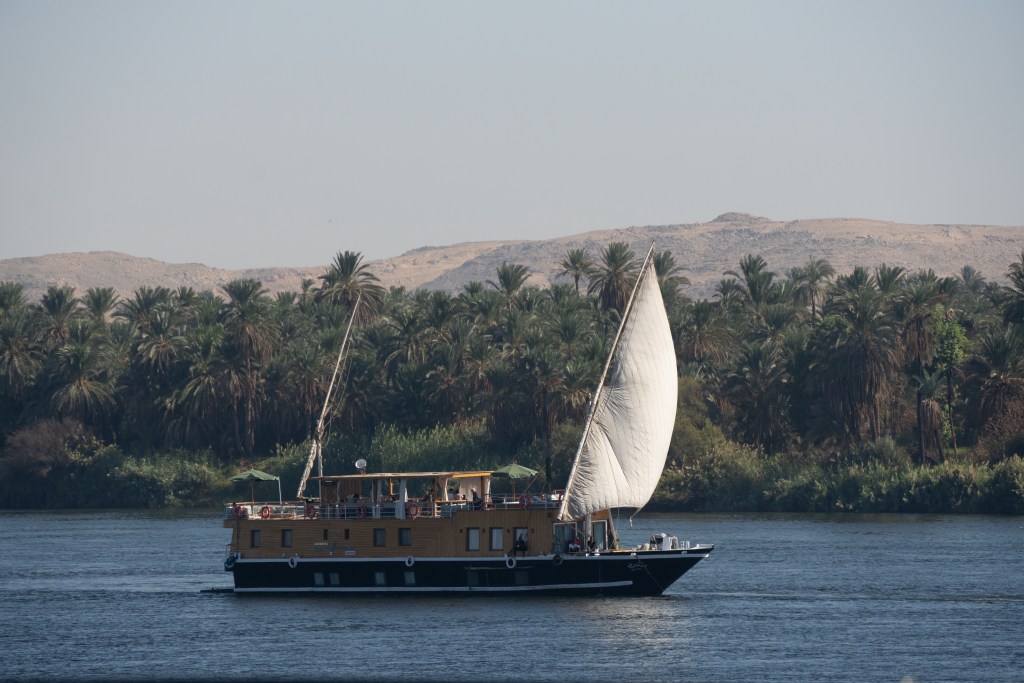
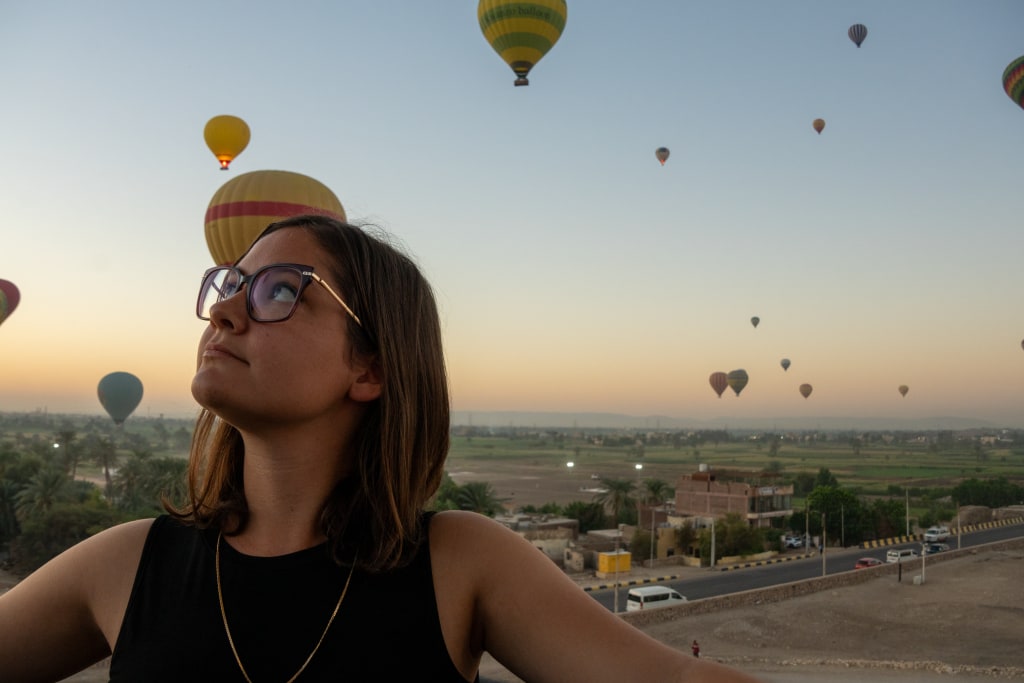
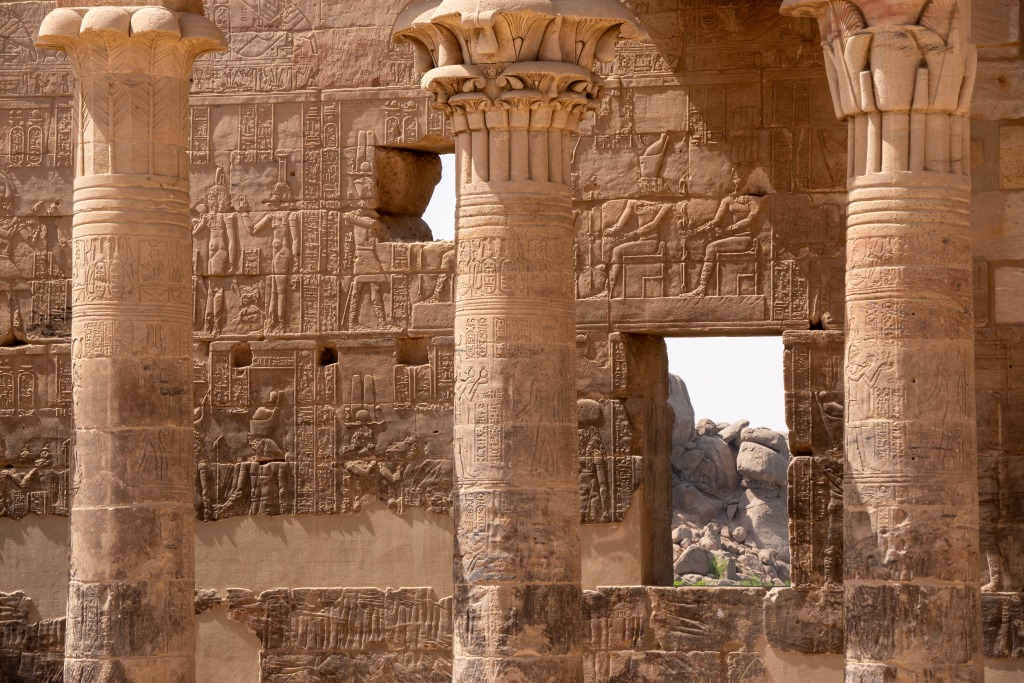
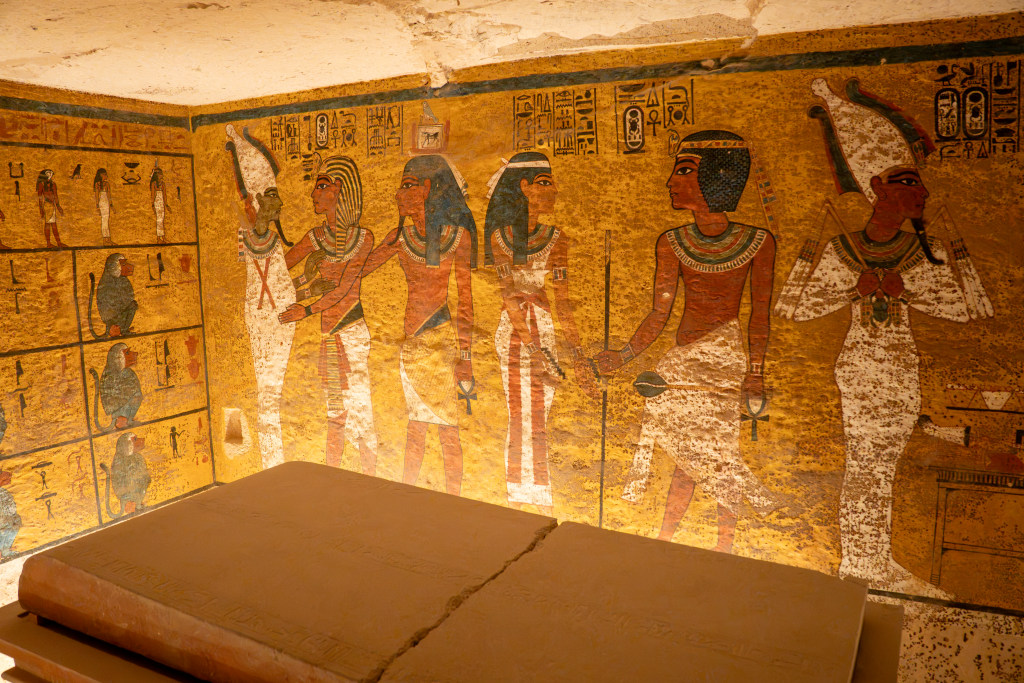
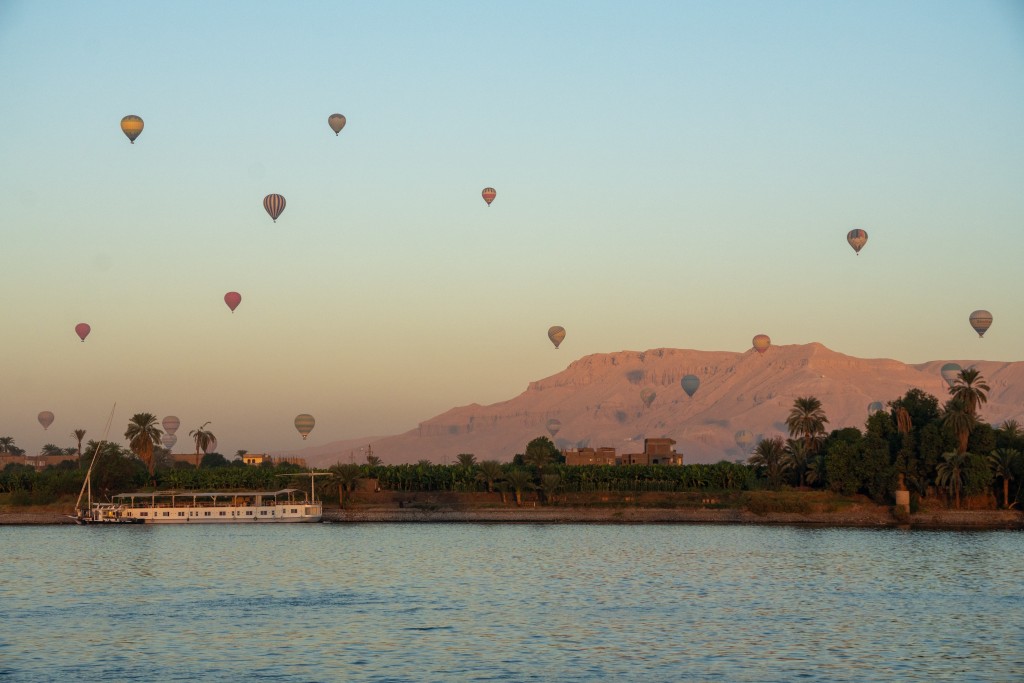
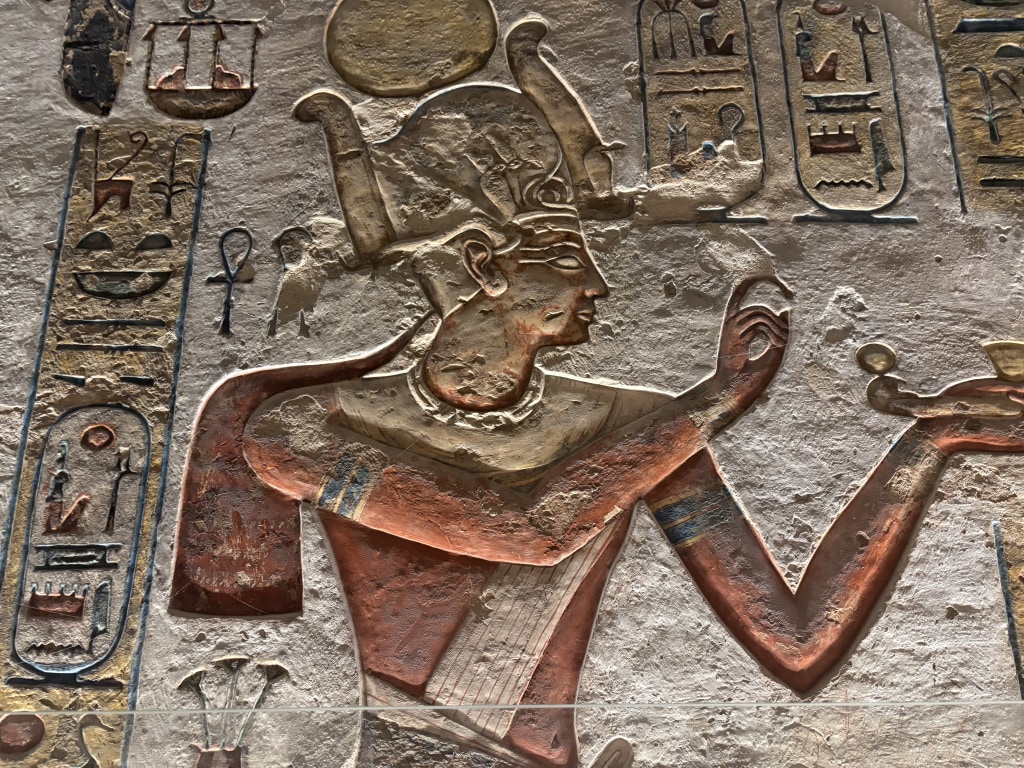
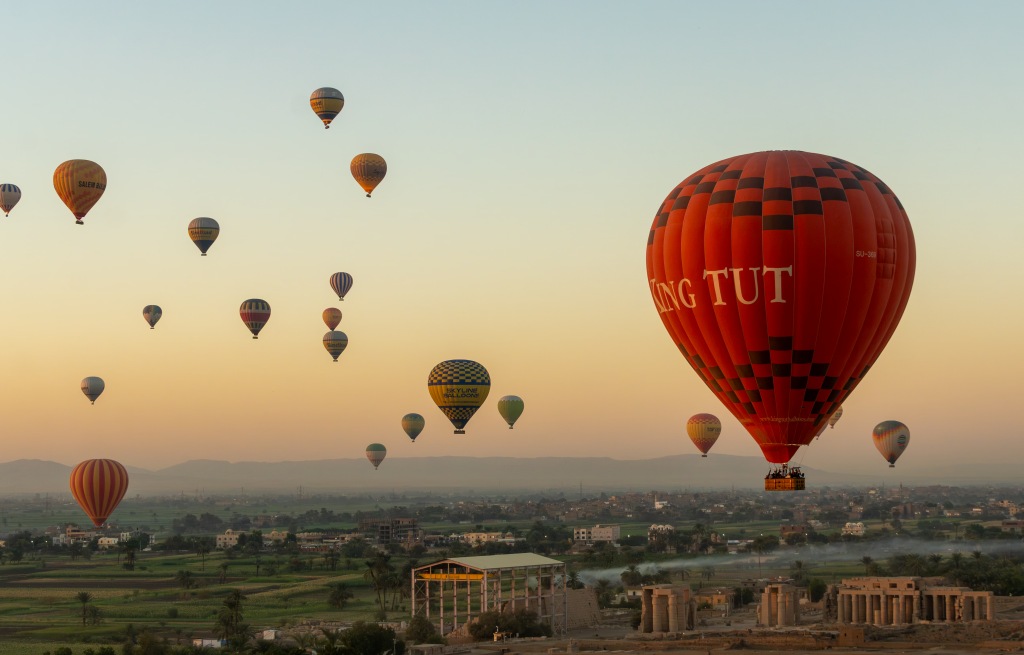
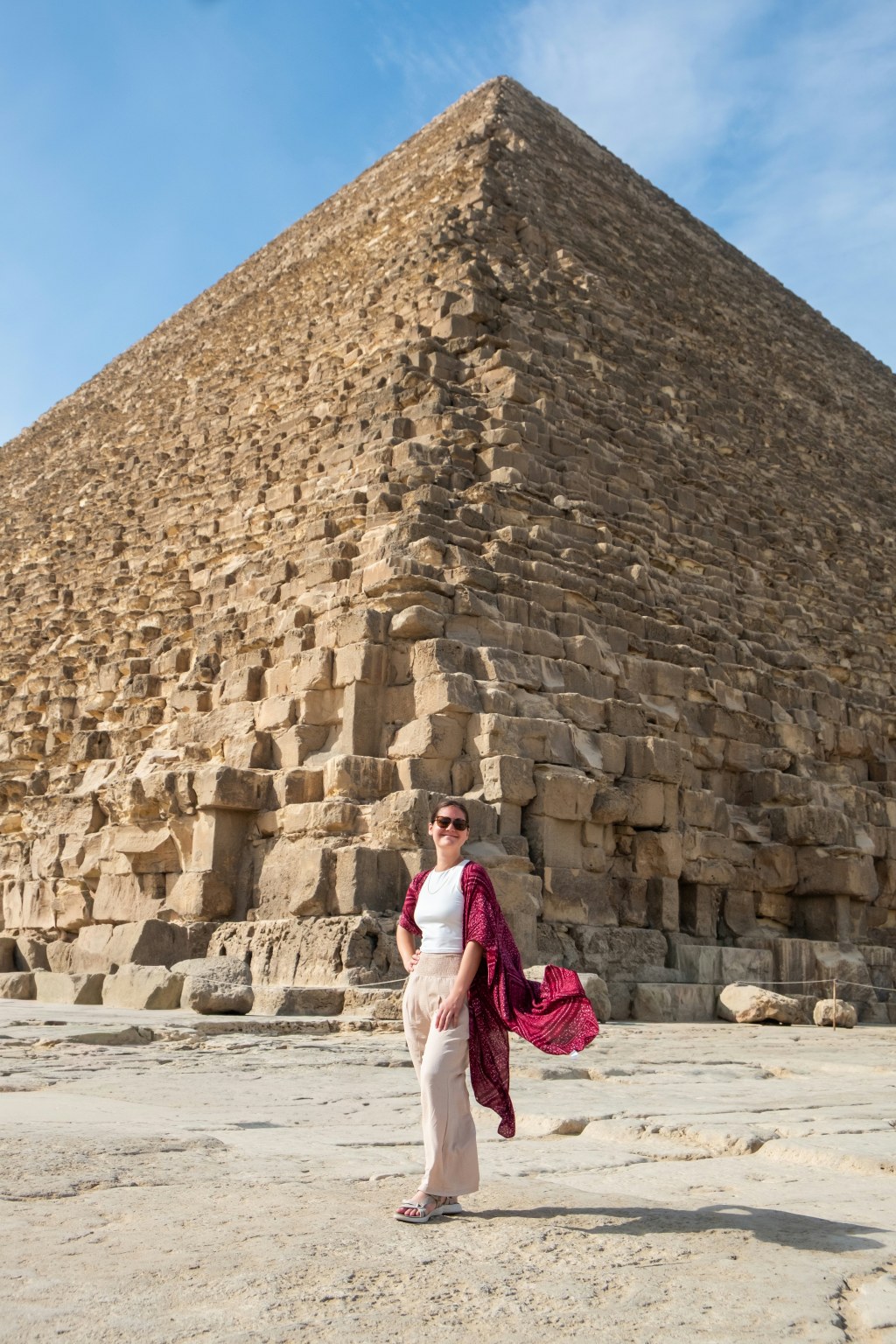
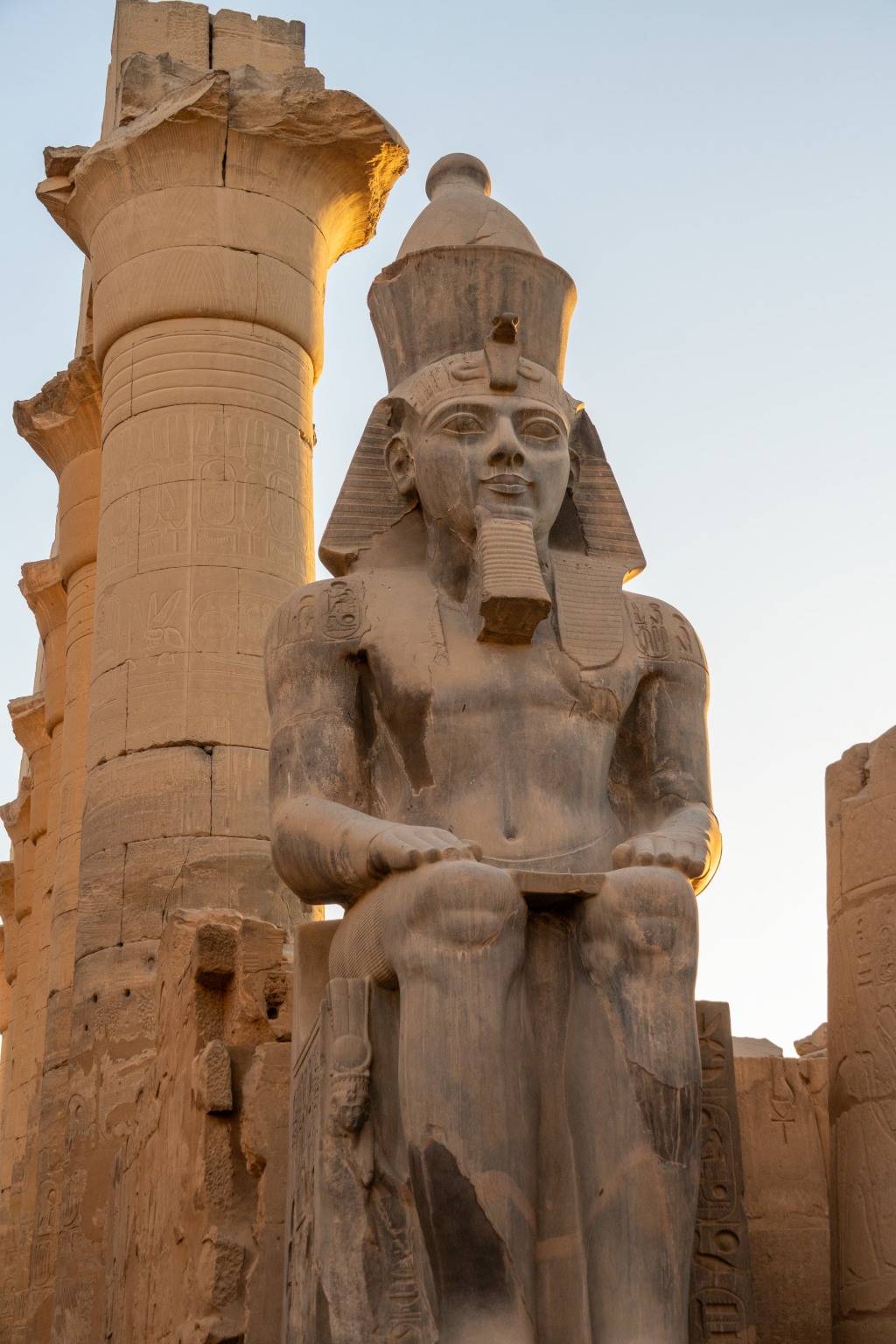
A camel stands at the Panoramic Viewpoint in front of the Pyramids of Giza. Animal welfare is still a major concern in Egypt, including with these camels in Giza. I recommend avoiding camel rides, and if you choose to pay for photos with the camels, pay close attention to how the animals are treated and avoid supporting handlers who mistreat them.Hot air balloons gliding over the fertile banks of the Nile River. This was the most greenery we saw all week!The imposing statues of Ramesses II at Abu Simbel.At Philae Temple, dedicated to the goddess Isis, near Aswan. This temple was relocated from Philae Island to Agilkia Island when the original site was flooded after the construction of the Aswan High Dam.Two of the canopic jars that held King Tut’s organs when he was mummified. Now in the Grand Egyptian Museum in Cairo.The ceiling at Edfu Temple. Notice the blackened ceiling? That's soot from fires lit by people who used the temple for shelter long after the ancient Egyptians stopped worshipping here.The Great Sphinx of Giza (half lion, half human) guards over the pyramids. It stands directly in front of the second largest pyramid, the Pyramid of Khafre, which looks like the largest of the three pyramids, because it’s built on higher ground. The Great Pyramid of Khufu is the largest.Dusk turns to dawn as the balloons ascend into the sky.The burial chamber of Pharaoh Seti I (KV17) in the Valley of the Kings in Luxor. It’s the longest, deepest, and one of the most richly decorated royal tombs in the Valley of Kings. This astronomical ceiling is particularly noteworthy. It depicts the night sky, complete with stars, constellations, and celestial deities. Seti I was the father of Ramesses II, builder of Abu Simbel, among many other things.Sailing down the Nile near Aswan in a felucca, a traditional Egyptian sailboat.A depiction of Sobek, the crocodile god, at Kom Ombo Temple, which was dedicated to both Sobek and the falcon god Har wer (Horus the Elder).The Colossi of Memnon: two large stone statues of the Pharaoh Amenhotep III. This photo was taken through the window of the bus I was on!Inside the tomb of Pharaoh Seti I (KV17) in the Valley of the Kings in Luxor.The banks of the Nile River, as seen on board the Historia Nile Cruise.Completely surrounded by hot air balloons in Luxor.Peering out the window at Philae Temple, near Aswan.The burial chamber of Pharaoh Tutankhamun (KV62) in the Valley of the Kings in Luxor. It’s undoubtedly the most famous tomb in Egypt, largely because of Howard Carter’s groundbreaking discovery in 1922. Out of the 62 tombs discovered in the Valley of the Kings, King Tut’s was the only one found intact and undisturbed by grave robbers. More than 5,000 ancient artifacts were discovered inside his tomb.
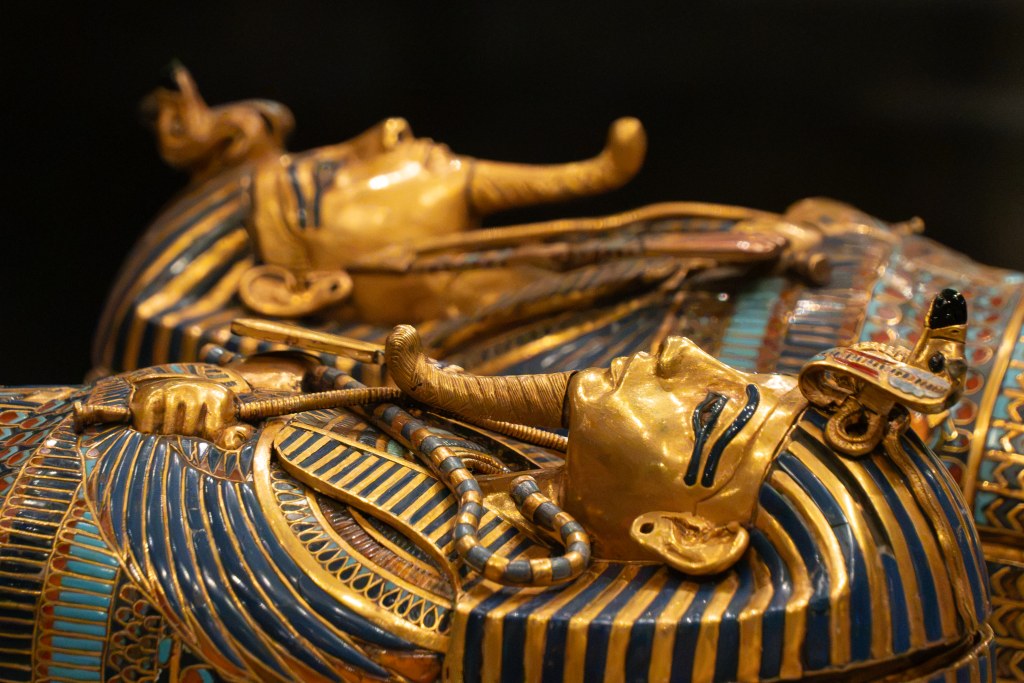
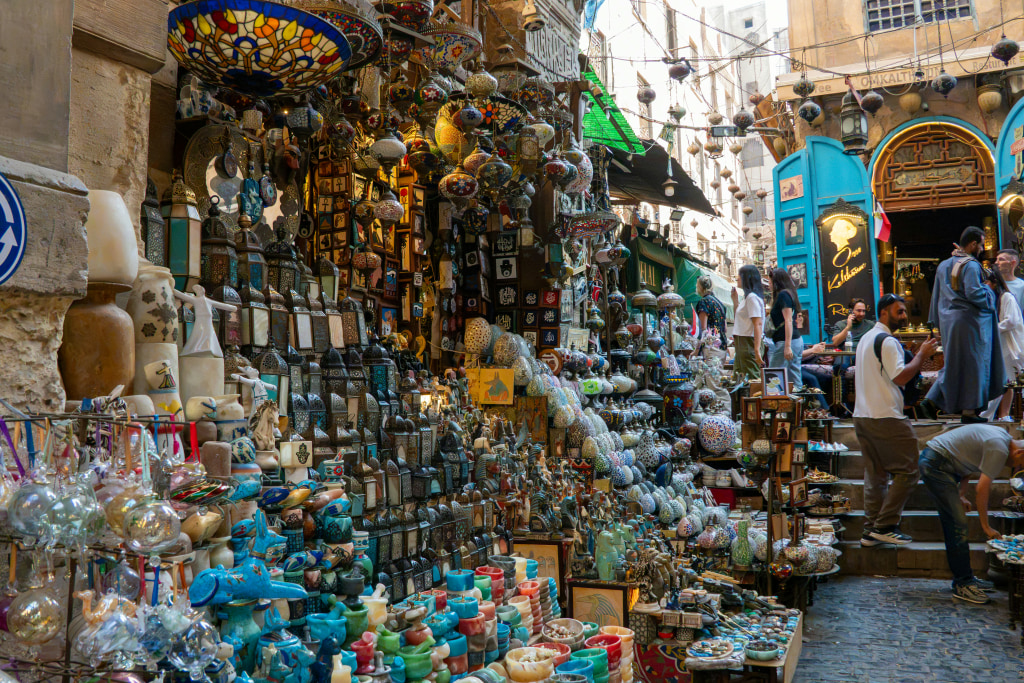
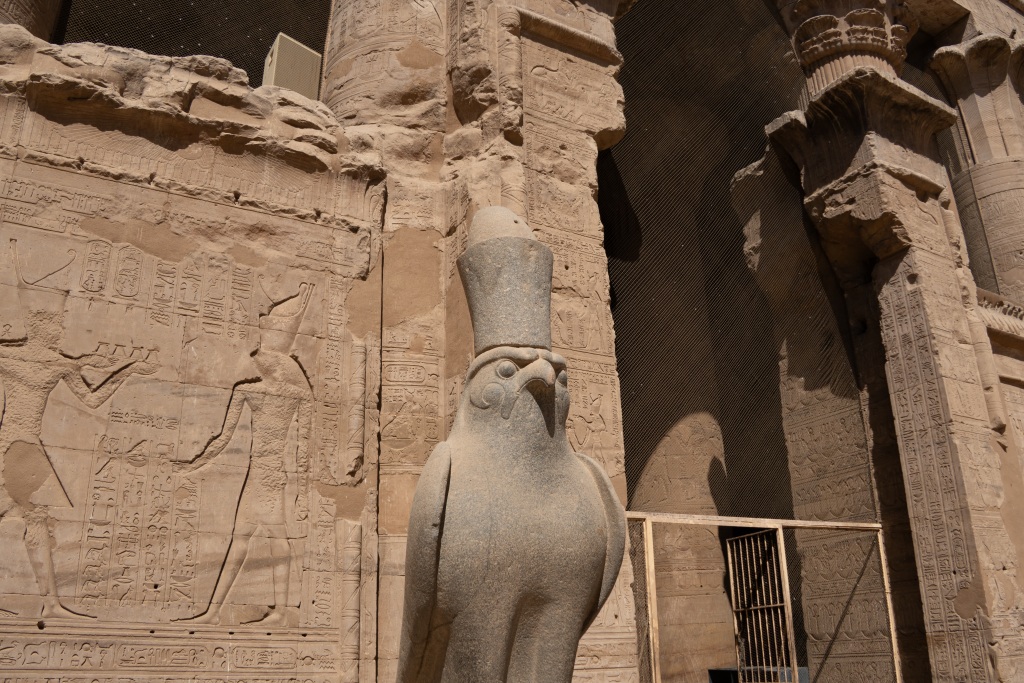
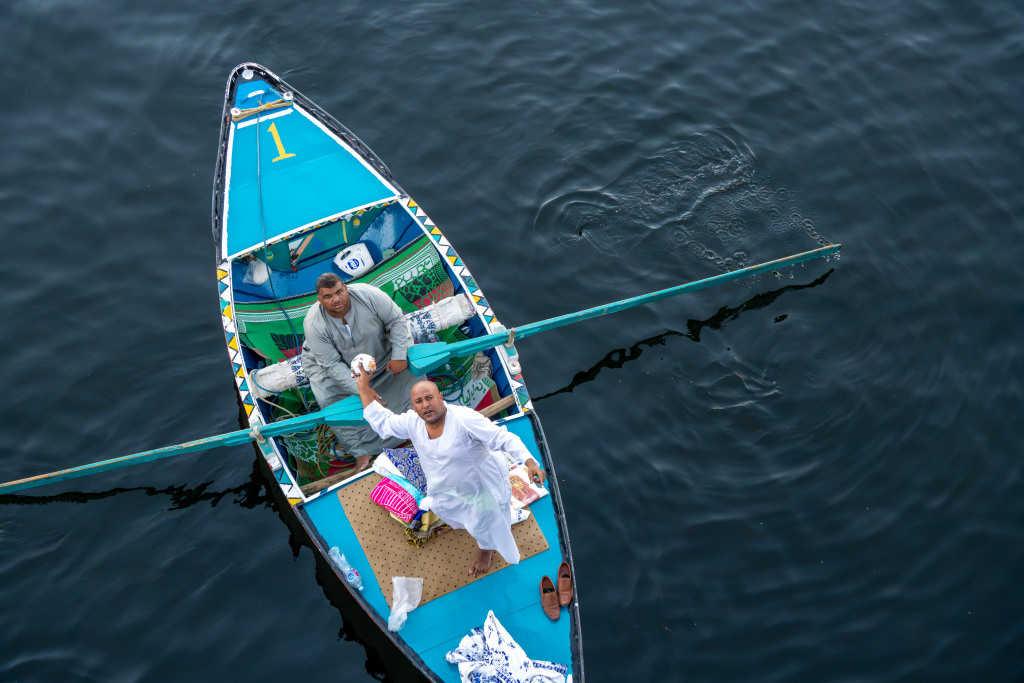
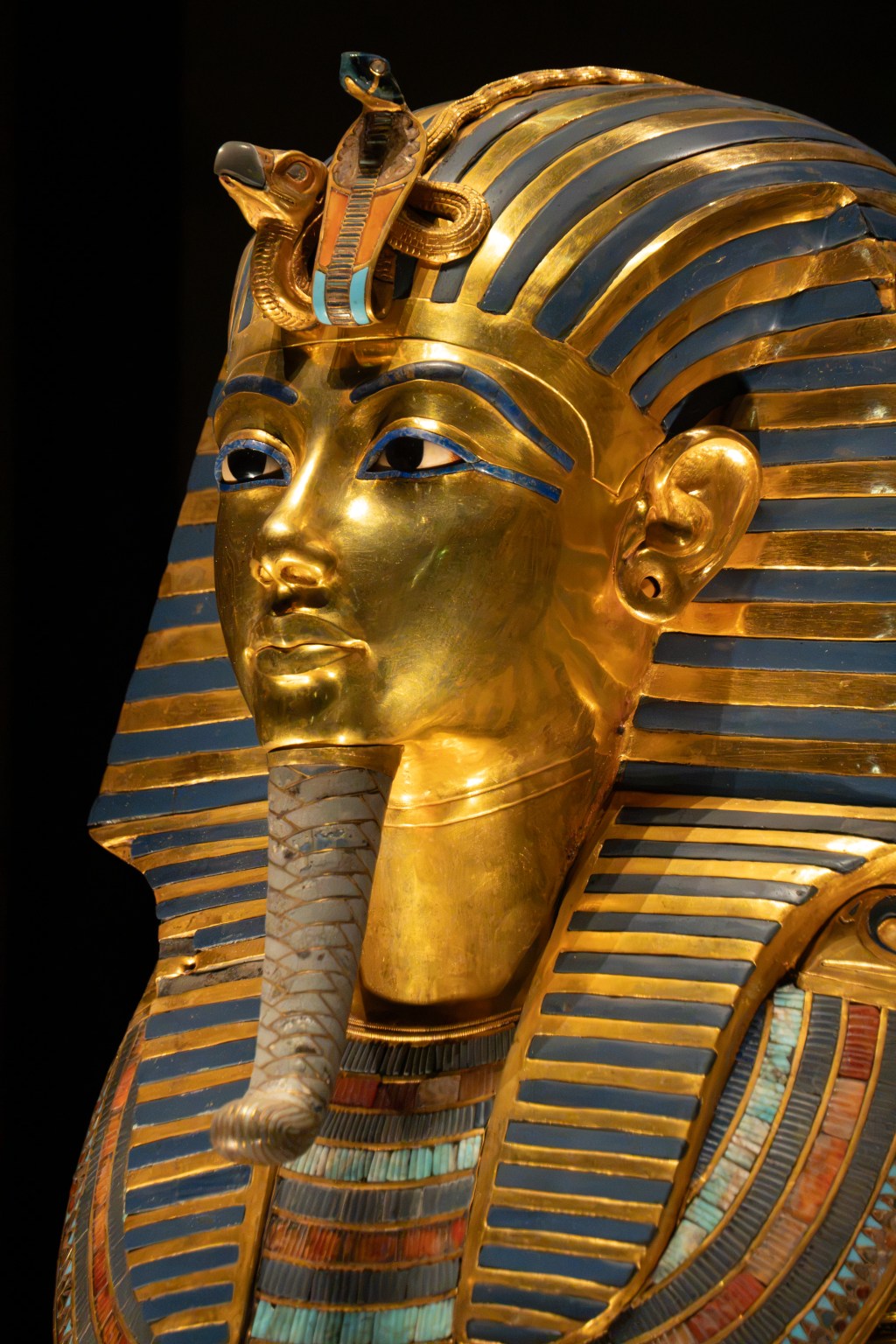
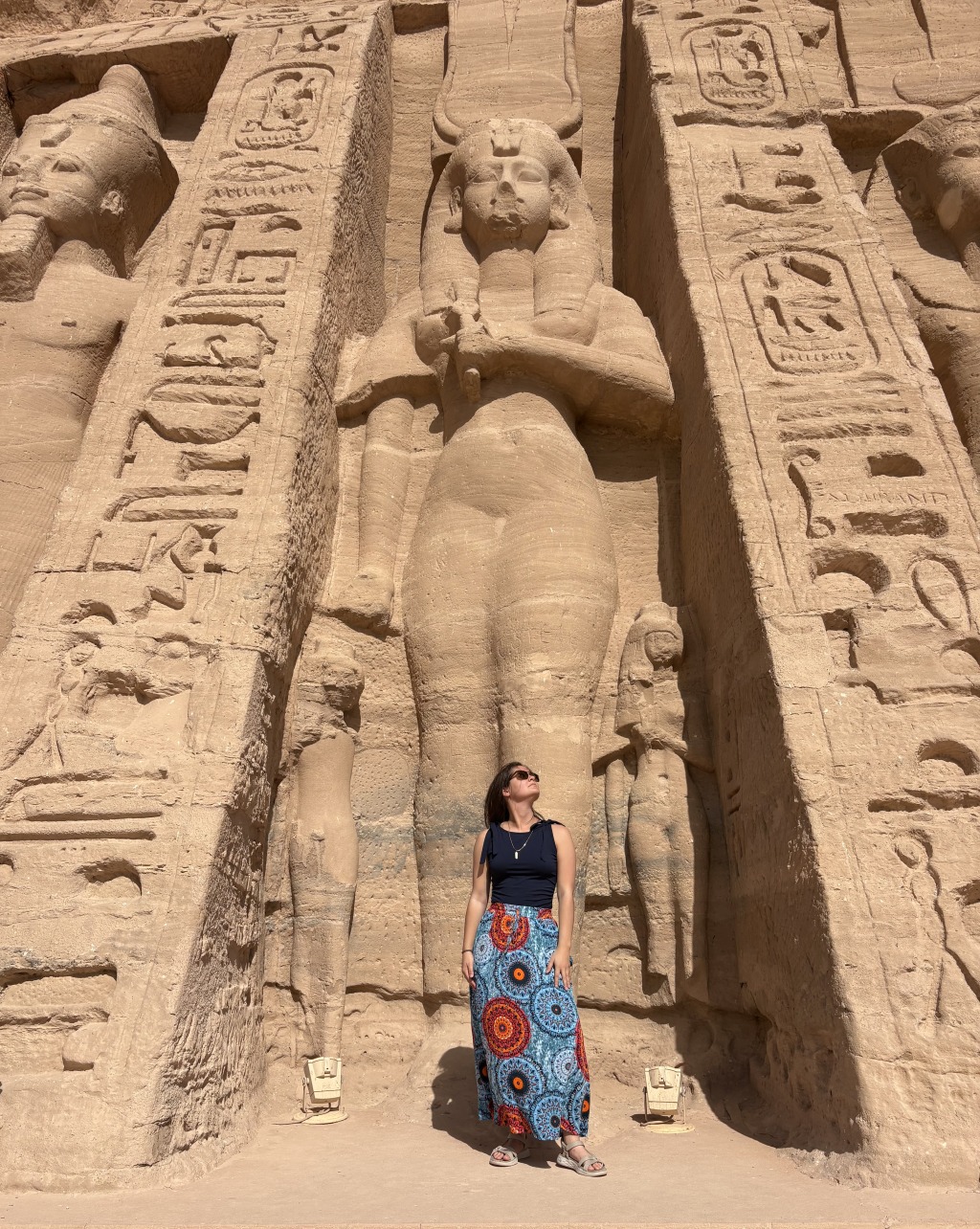
Despite its international fame, King Tut’s tomb is one of the smallest tombs in the Valley of the Kings. King Tut died unexpectedly somewhere between the age of 18 and 20 and was a relatively minor pharaoh, so royal tomb builders didn’t have time to build an elaborate tomb.The Nile River and West Bank of Luxor.The colorful Khan El Khalili market in Cairo.The 10.5 foot statue of Horus, the falcon god of the sky, in front of his temple in Edfu.Inside the tomb of Ramesses III (KV11) in the Valley of the Kings in Luxor.Flying over ancient ruins in a hot air balloon.You can’t escape the persistent vendors in Egypt, even on a Nile Cruise! A vendor throws his goods up onto the 5th story of the boat we’re traveling on, hoping to convince us to keep it and send down money.The golden funerary mask of the boy king, King Tutankhamun: arguably the most famous Ancient Egyptian artifact. Now in the Grand Egyptian Museum in Cairo.Standing in front of the Pyramid of Khufu, the largest of the three main pyramids in Giza. Moments earlier I climbed inside the pyramid to see the empty granite sarcophagus believed to have held Khufu's remains. Khufu's mummy has never been found though. Photo credit: Caity Shearer, TBA Escapes.Statue of Ramesses II at Luxor Temple.Outside Nefertari’s Temple. Nefertari was the first and principal wife of Pharaoh Ramesses II. Her smaller temple sits next to his elegant temple, the Great Temple at Abu Simbel. What’s interesting is that, on the facade of her temple, the statues of Nefertari (center) and Ramesses (left) are almost the same size. In a civilization where size signified power, this was almost unheard of.
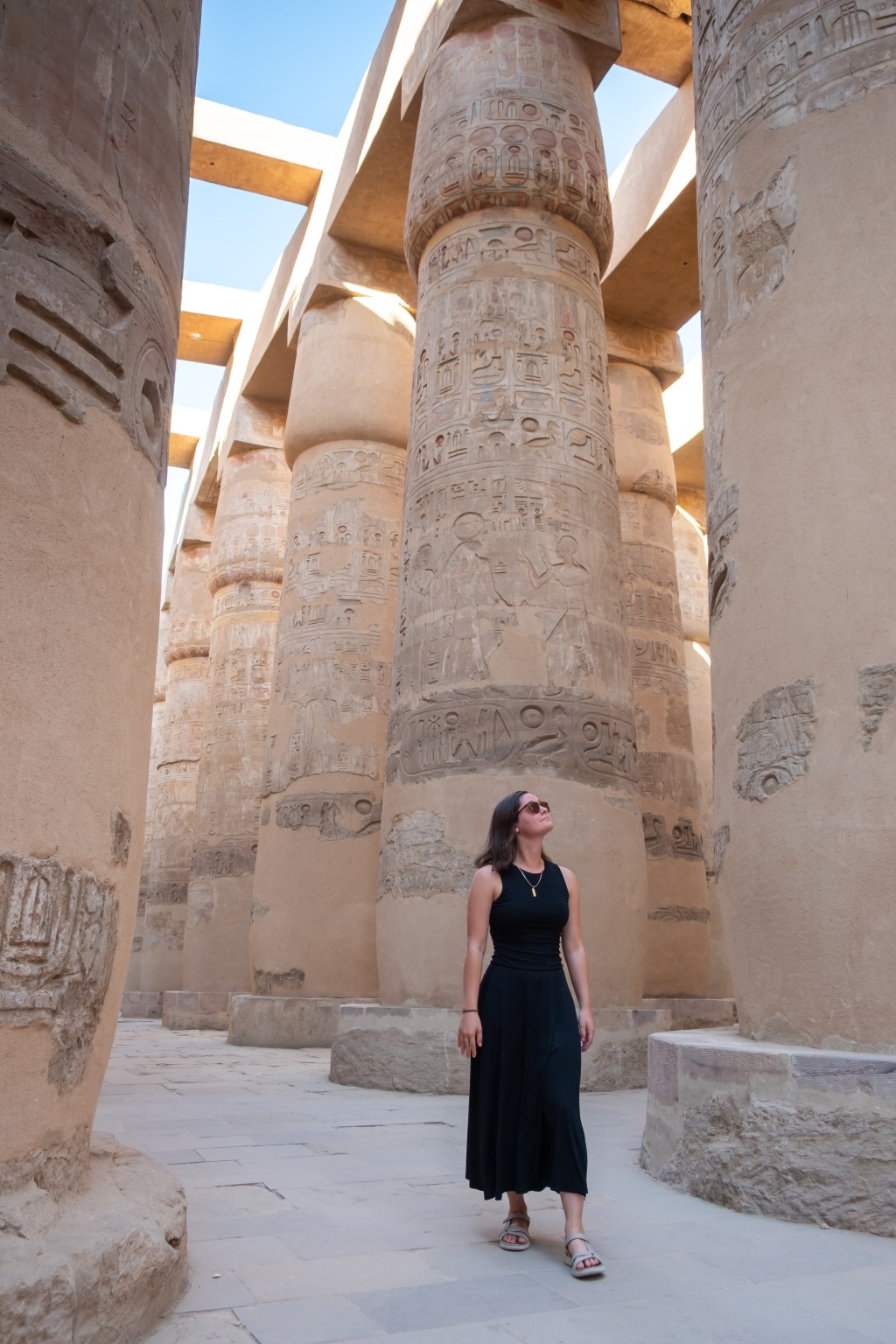
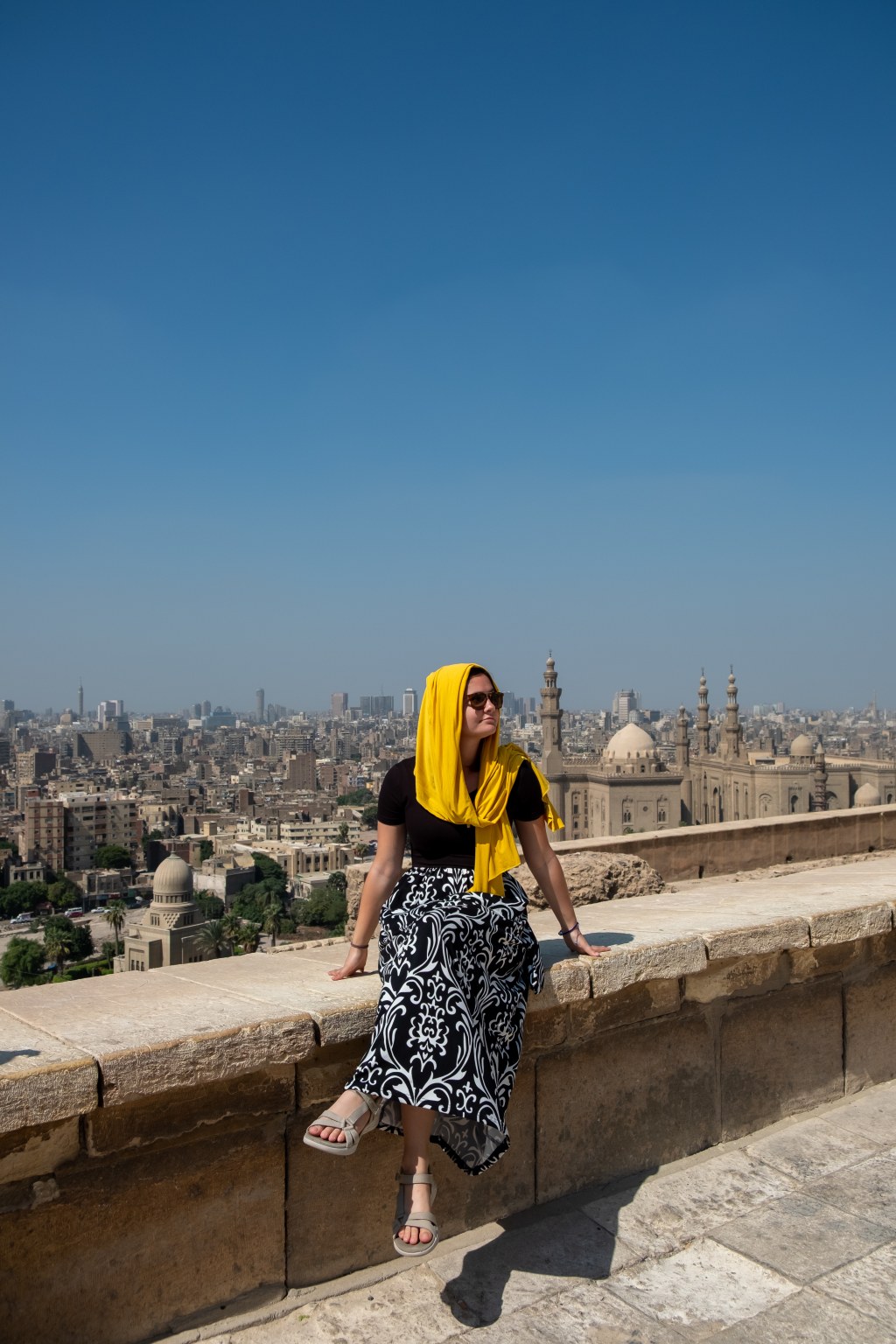
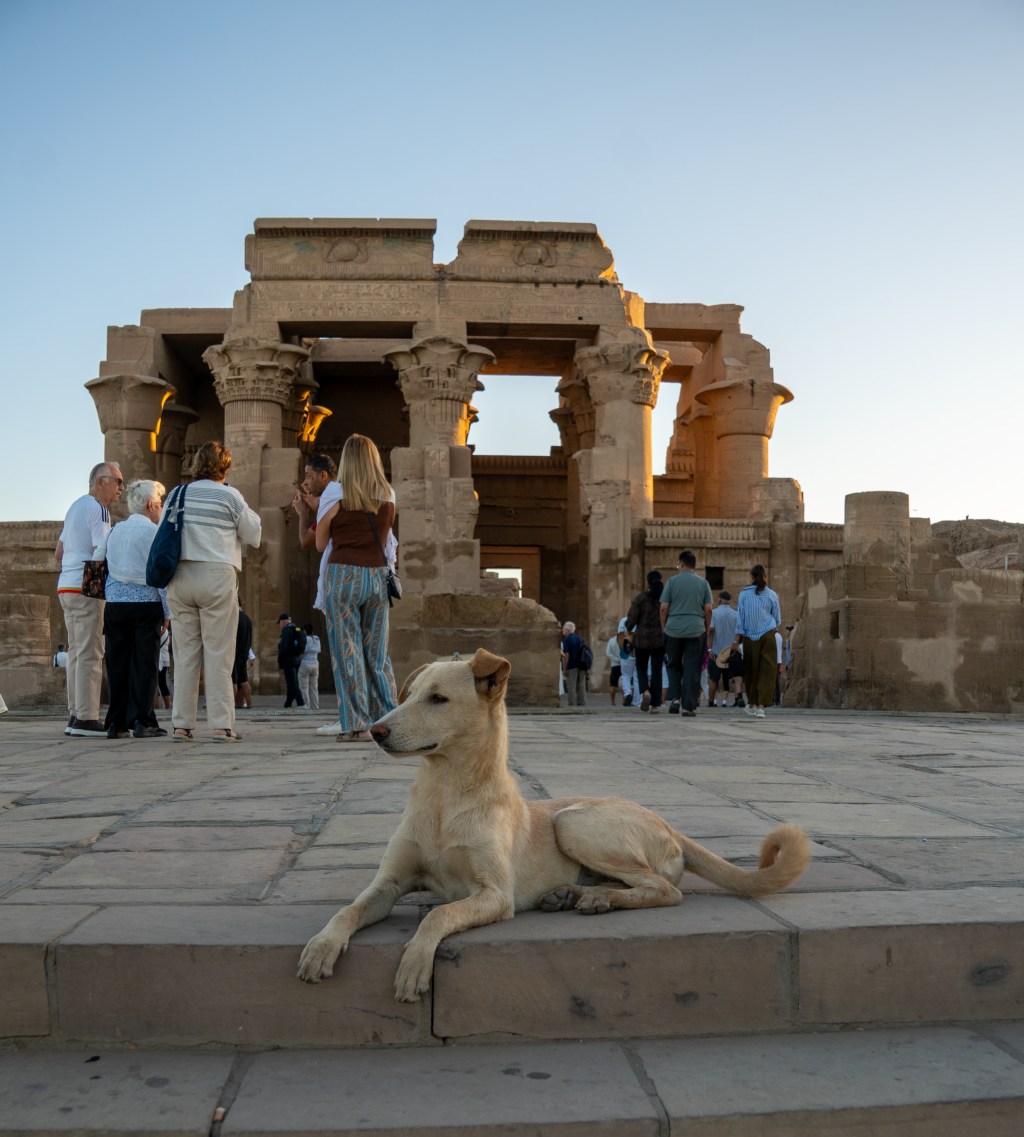
Besides the temple, Nefertari has a tomb in the Valley of Queens that is said to be one of the most beautifully decorated tombs in all of Egypt. Sadly it’s been closed to the public since 2024. Interestingly, her tomb has no depictions of her husband, Ramesses, though many depictions of him are found within the temple he built for her at Abu Simbel.Walking amongst the 134 columns at Karnak Temple on the East Bank in Luxor. Photo credit: Caity Shearer, TBA Escapes.Overlooking Cairo from outside the Muhammad Ali Mosque. Photo credit: Caity Shearer, TBA Escapes.A dog welcomes us to Kom Ombo, the temple of the crocodile god Sobek and the falcon god Har wer (Horus the Elder).