
2 Days in Tarangire: Elephants, Baobabs, & All 3 Big Cats
Tarangire National Park needs a new marketing team. I volunteer as tribute.
If you Google Tarangire, you'll read all about its enormous elephant herds and ancient baobab trees. Cool, right? But when you're planning an African safari and the Serengeti is promising incredible sightings of lions, leopards, and cheetahs, elephants and trees just don't sound quite as exciting. At least, that's what we thought. In fact, Tarangire wasn't even on the first draft of our 12 day itinerary through Kenya and Tanzania.
When we extended our trip to 14 days, we decided to add Tarangire National Park as a final stop. Thank goodness we did. We loved Tarangire. I go back and forth on whether Tarangire or the Serengeti was my favorite park we visited. For Alex, Tarangire was the hands-down winner.
I think Tarangire is seriously undersold online, and I'm here to change that. There are so many other things besides the elephants and the baobabs that make Tarangire worth your time. With this article, I’ll try to convince you that this park needs to be on your Tanzania itinerary.
WHY VISIT TARANGIRE NATIONAL PARK?
Google will tell you to visit Tarangire for the giant herds of elephants and the towering baobab trees.
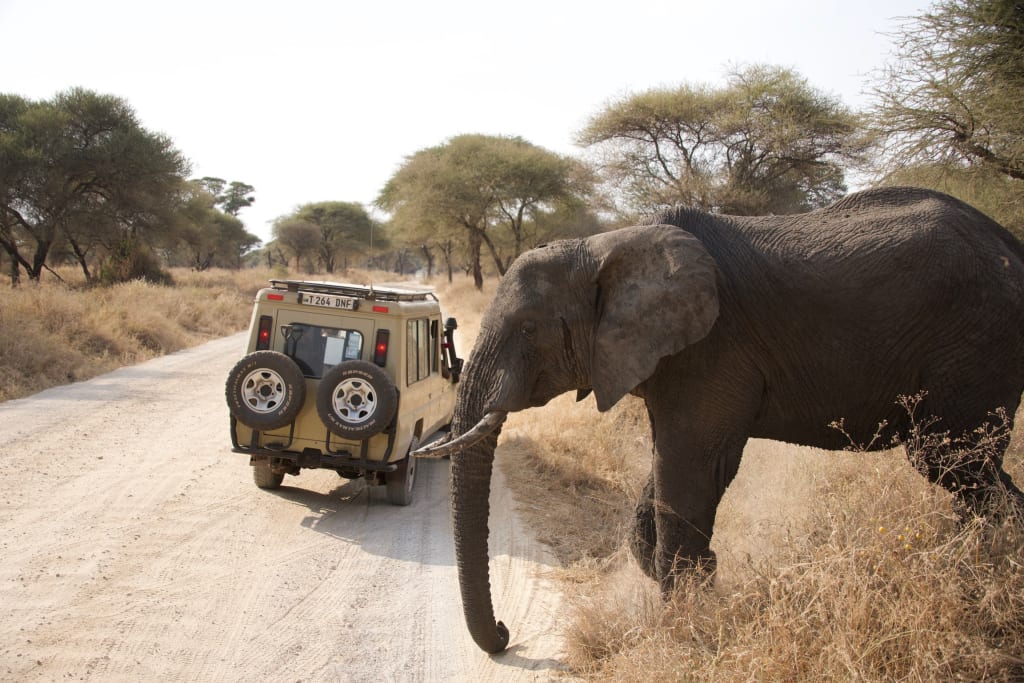
An added bonus is that the park is far less crowded than its mega-famous neighbors, the Serengeti and Ngorongoro Crater, giving you a chance to spot wildlife without competing with 20 other vehicles for the prime spot.
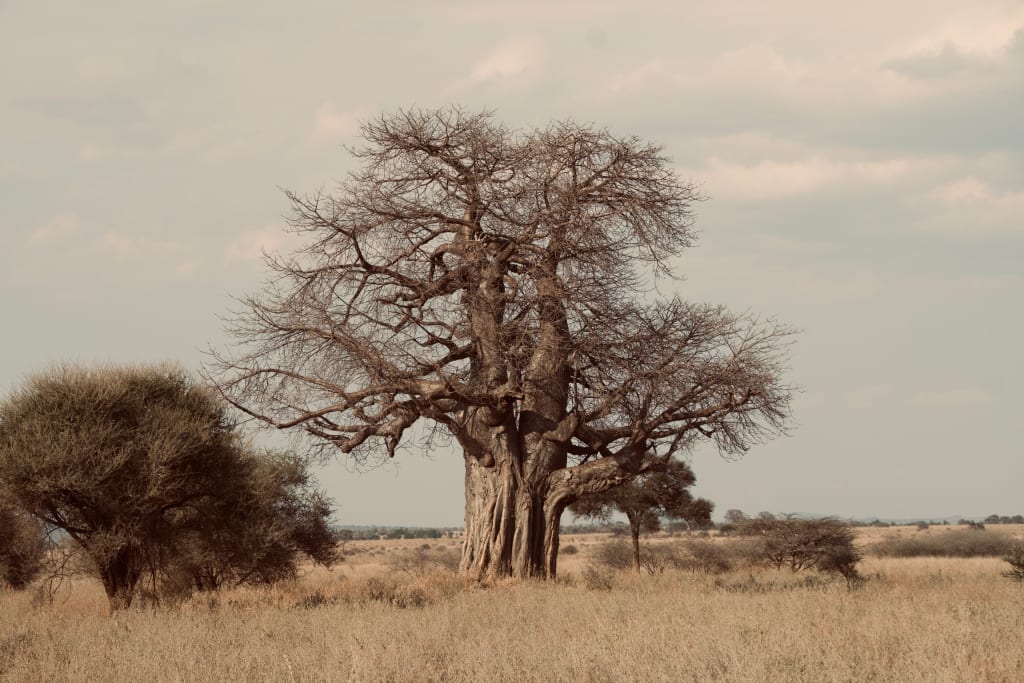
These are indeed great reasons to visit. Having been there myself though, I would recommend a visit to Tarangire for a different reason: the scenery. The ecosystem looks completely different from the rest of Tanzania’s parks. In addition to the dusty, dry plains you envision when you think of safaris, Tarangire has wetlands and swamps where elephants will swim and watering holes where many different species will congregate all at the same time. Our photos from Tarangire look so different from the ones we took on the rest of our trip throughout Africa.
Our big cat sightings in Tarangire also rivaled the ones we had in the Serengeti. We saw all three big cats in 48 short hours.
It's this combination of incredible scenery, abundant wildlife, and peaceful game drives that makes Tarangire such a special place.
WHERE IS TARANGIRE NATIONAL PARK?
Tarangire National Park is located in northern Tanzania, about 70 miles southwest of Arusha. It’s part of Tanzania’s popular Northern Safari Circuit, along with Serengeti National Park, Ngorongoro Crater, and Lake Manyara National Park.
WHAT WILDLIFE CAN YOU SEE IN TARANGIRE?
Expert Africa has a fantastic website you can reference to get an idea of how likely you are to see various animals in Tanzania’s national parks. This safari tour operator surveys their guests on which animals they spotted. So far, they have collected data from almost 100,000 tourist groups across Africa.
According to their data, most travelers will see elephants, giraffes, zebras, and lions in Tarangire National Park (90%+ odds for all animals). More than half of Expert Africa’s guests saw leopards (68%), spotted hyenas (58%) and hippos (54%). With luck, you have a chance to spot a cheetah (43%). We spotted one on our last day in Tarangire.
Other animals you can see include baboons, vervet monkeys, buffalo, warthog, and kudu. Kudus are quite rare, but believe it or not I spotted one (even before my guide did!). Once in a blue moon, tourists spot African wild dogs too, but this is very rare (4% odds reported by Expert Africa).
OUR EXPERIENCE
We spent 48 hours in Tarangire National Park. Here were some of our favorite moments.
A Lion in a Tree
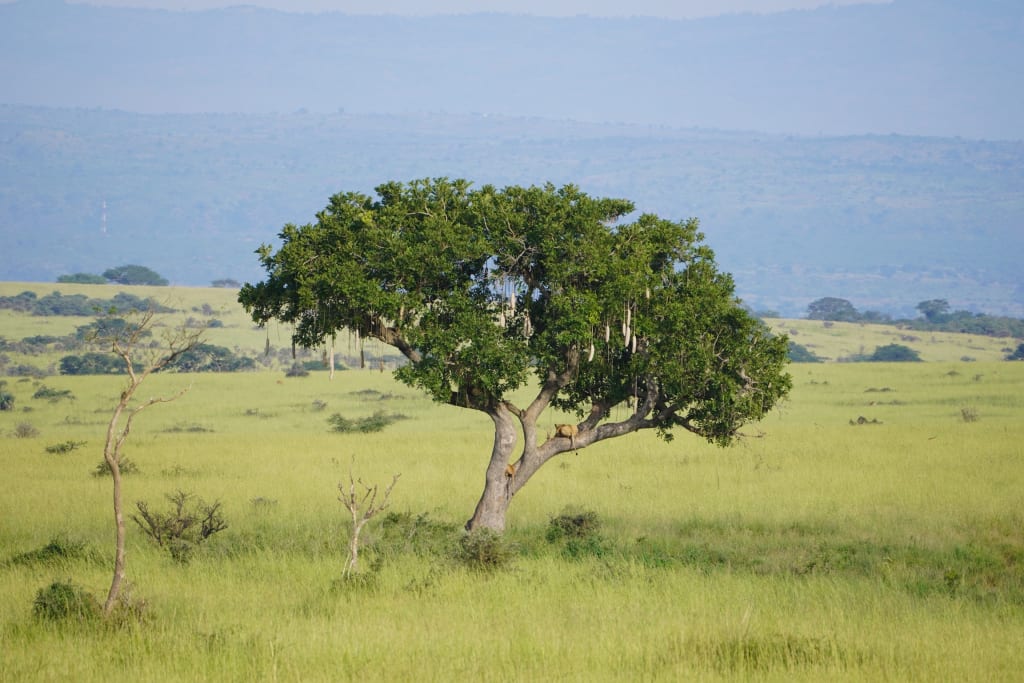
Within an hour after arriving at Tarangire National Park, we saw lions climbing in two different trees in two different areas of the park. The first had already drawn a crowd by the time we got there, so we moved on quickly, but we got the second lion all to ourselves.
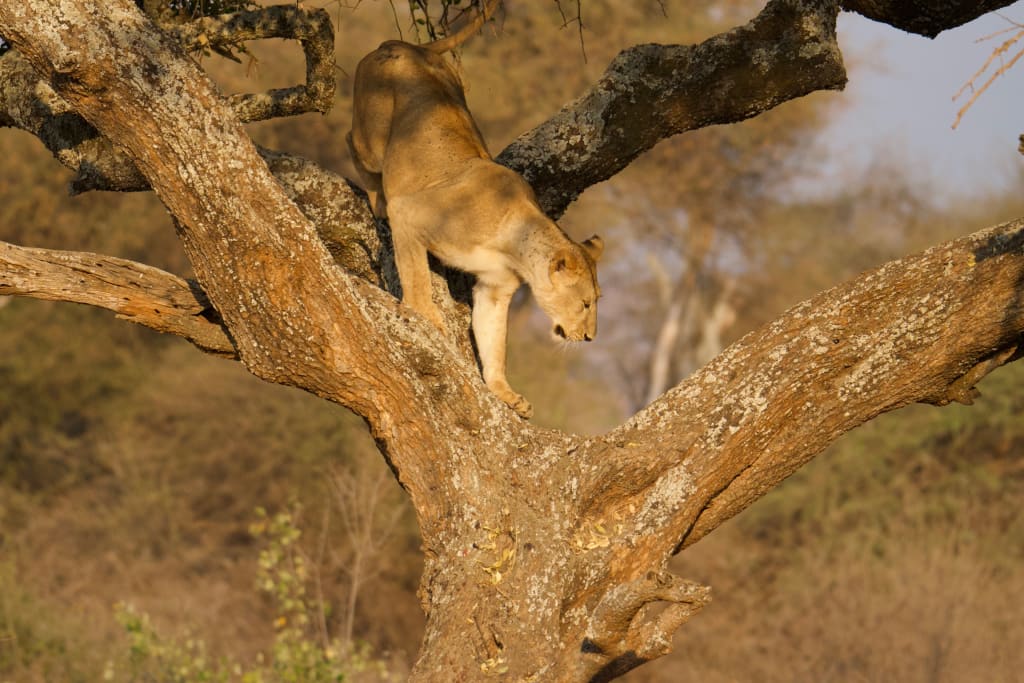
The tree climbing behavior in lions is fascinating. Lions are surprisingly good climbers, but tree climbing is much more common in some populations of lions than others. In some parks throughout Africa, it’s incredibly rare to see a lion in a tree. In others, it’s just another Tuesday.
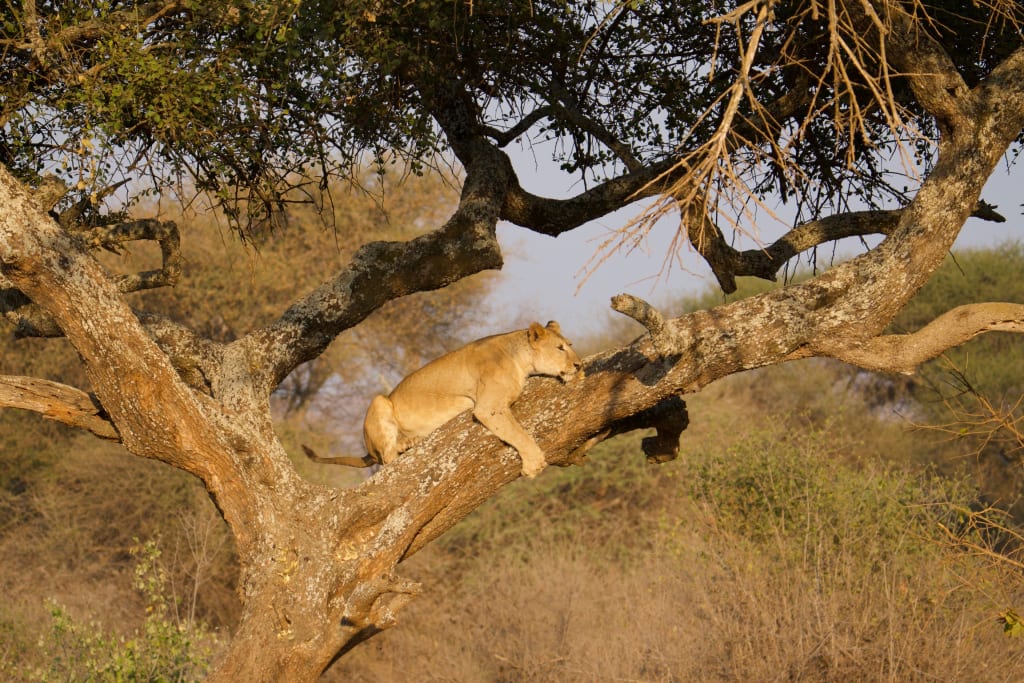
We’ve been fortunate enough to see lions climb trees in many parks: two in Tarangire, one in Ngorongoro Crater, and two in Murchison Falls National Park in Uganda. The sighting in Uganda was particularly rare; the lions in Uganda’s Queen Elizabeth National Park are world famous for climbing trees but my guide, Bob, said he had never seen them in the tree before in Murchison Falls. Apparently it’s also very rare in Ngorongoro. Interestingly, I have yet to see a male in a tree. I have only seen females in trees.
A Leopard in a Tree
Leopards, unlike lions, are often spotted in the treetops. Leopards will drag their kills into the tree to prevent lion prides from stealing their dinner. They’re incredibly agile, skilled climbers.
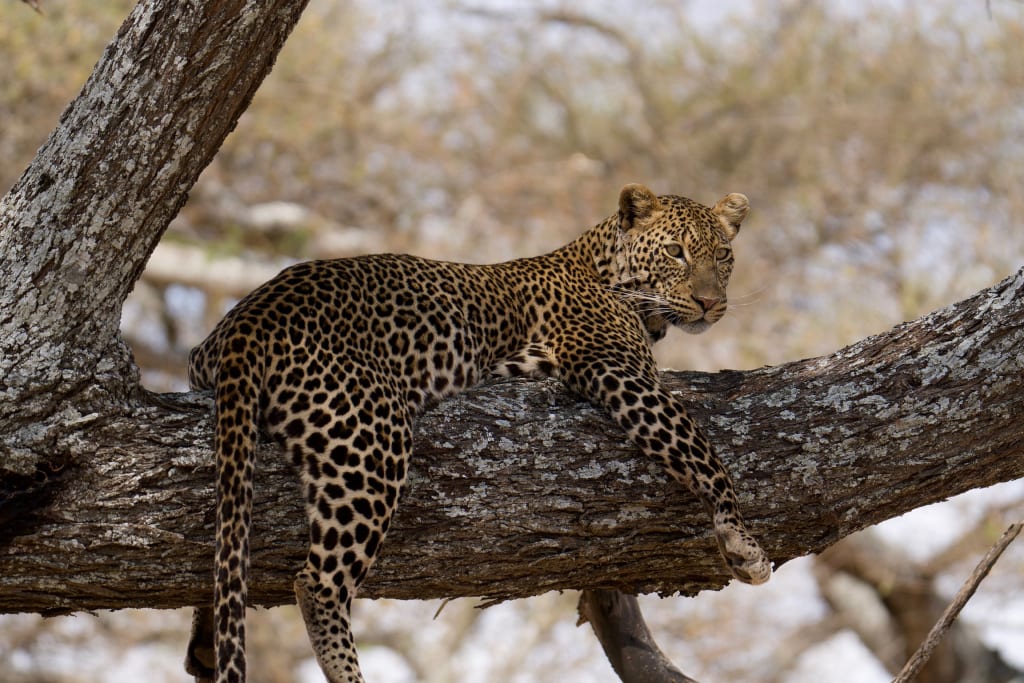
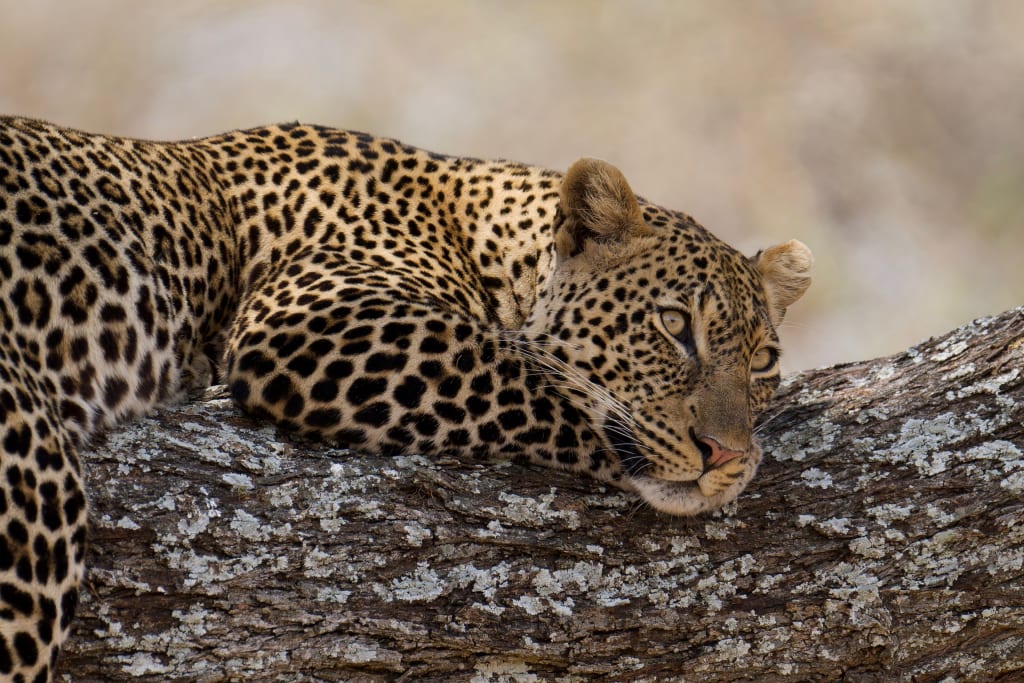
Treetop sightings like these are when a good pair of binoculars and a zoom lens really come in handy. We were fairly close to the tree trunk and could see the leopard with our naked eye, but without the binoculars, it was hard to get a good glimpse of its spots or its face, and an iPhone photo would simply not cut it here.
Sunset at the Water Hole
The colors in the sky during an African sunset are so much more dramatic than the ones on every other continent, at least in my experience. And, of all the sunsets we watched during our two week trip through Kenya and Tanzania, the best had to be the one we saw on our first night at Tarangire. Hues of orange, pink, and purple filled the sky, creating a wonderful backdrop for the photos we were snapping of the elephants drinking from the watering hole.
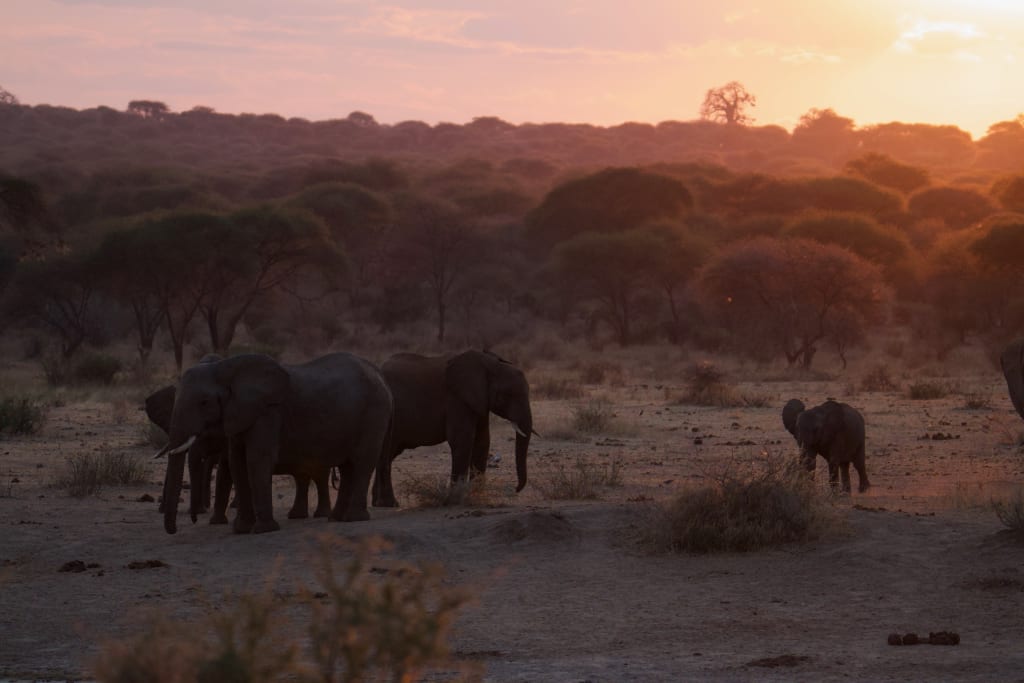
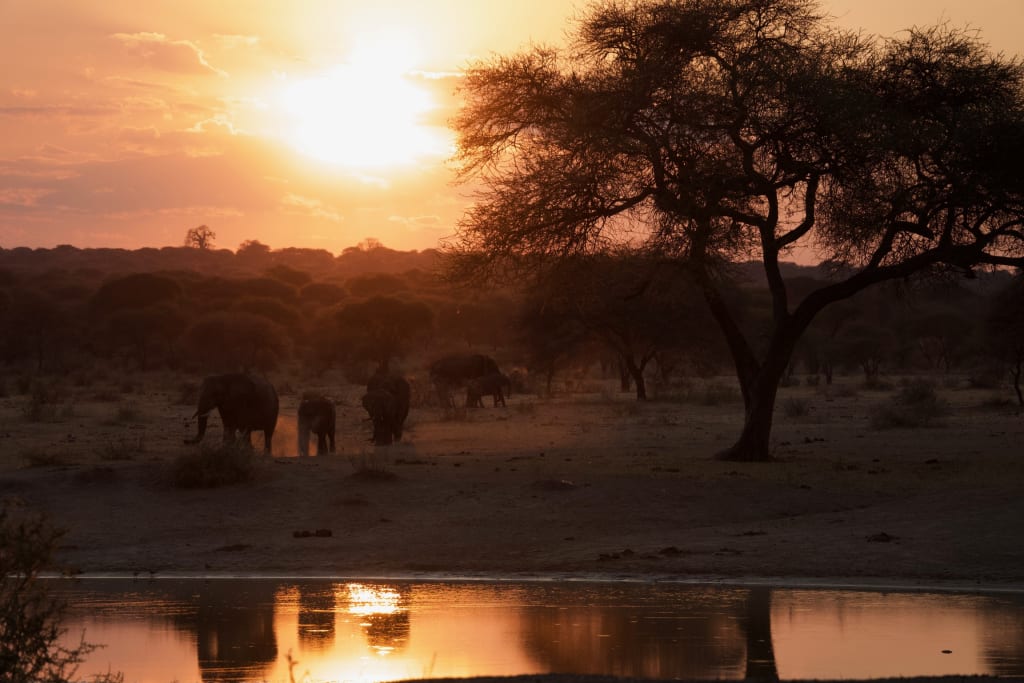
This was our first drive by the watering hole. The next day, we would spend over an hour here, watching many different species drinking, splashing, playing, and cooling off in the water. More on that below.
Silale Swamp
Tarangire National Park was the last stop on our 14 day journey through Kenya and Tanzania, so by this point I was used to the monotone, red dirt landscapes in the parks. That’s why I did a double take when we drove up to the Silale Swamp. Greenery! Signs of life! Hooray!
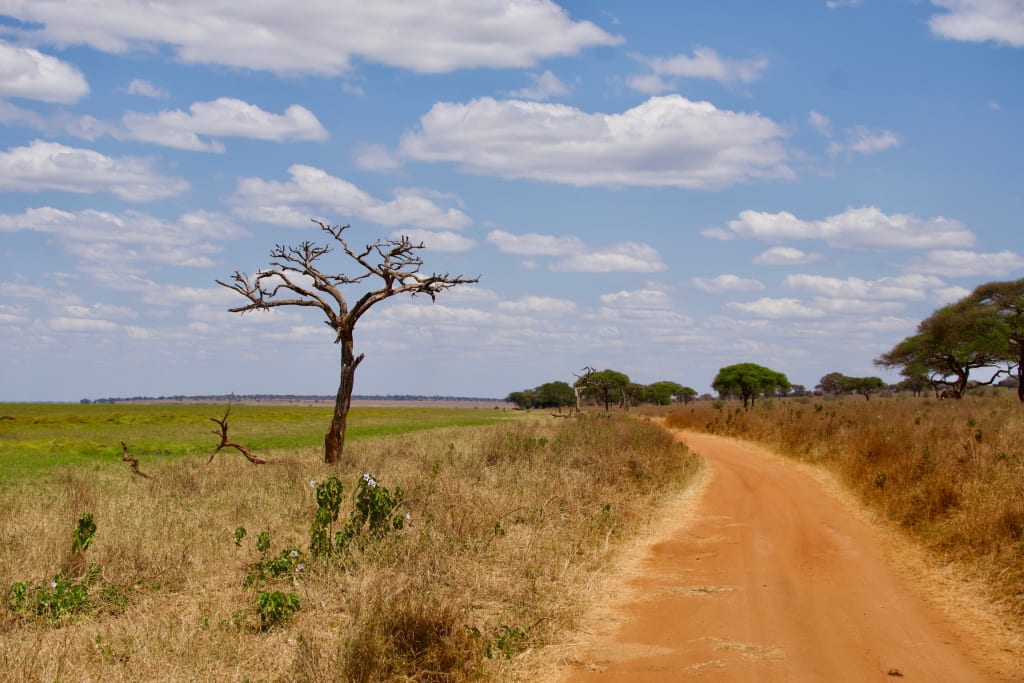
I know the word “swamp” doesn’t exactly have the best connotation. I personally think of ogres when I hear the word, but Silale was nothing like the murky wasteland pictured in the movie Shrek. It was gorgeous.
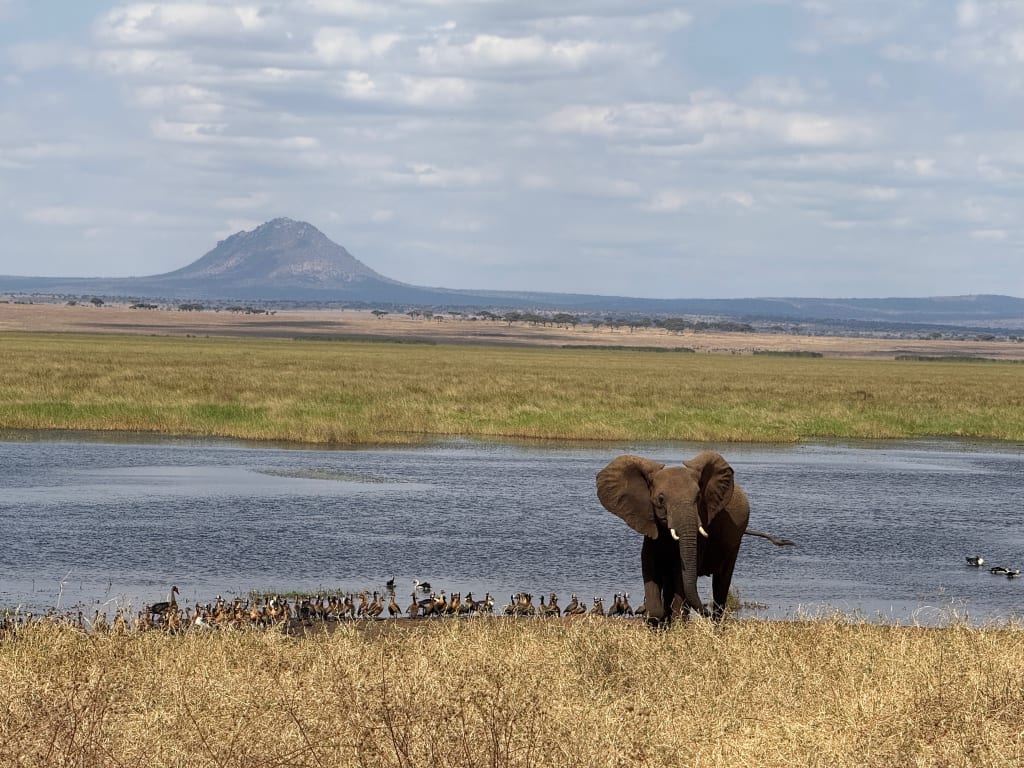
As we approached the swamp, we saw a herd of elephants stalking the river bank.
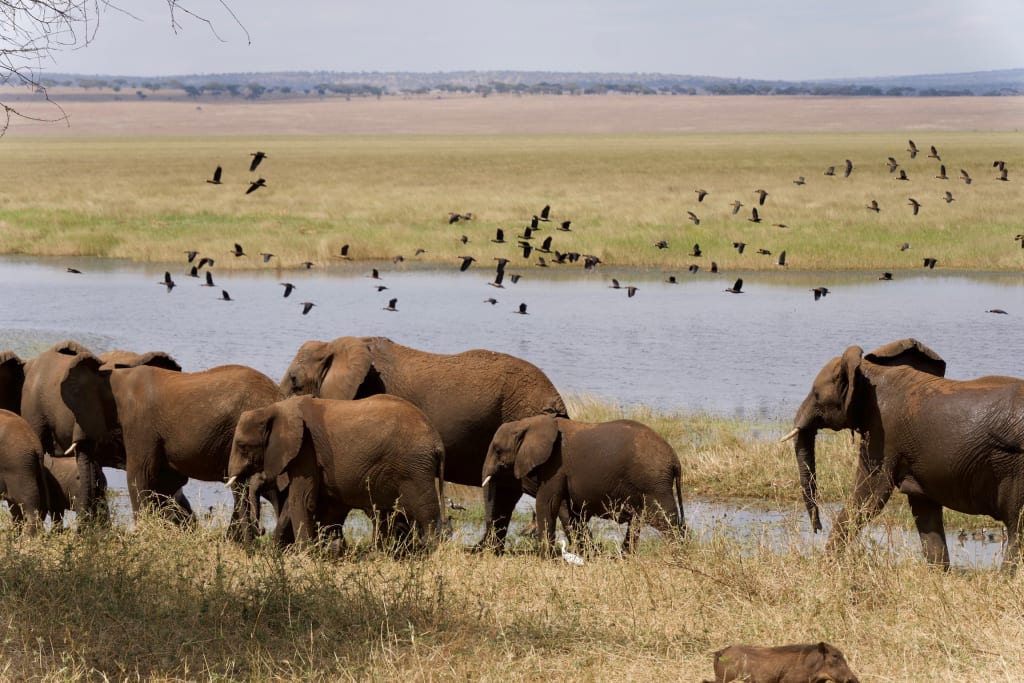
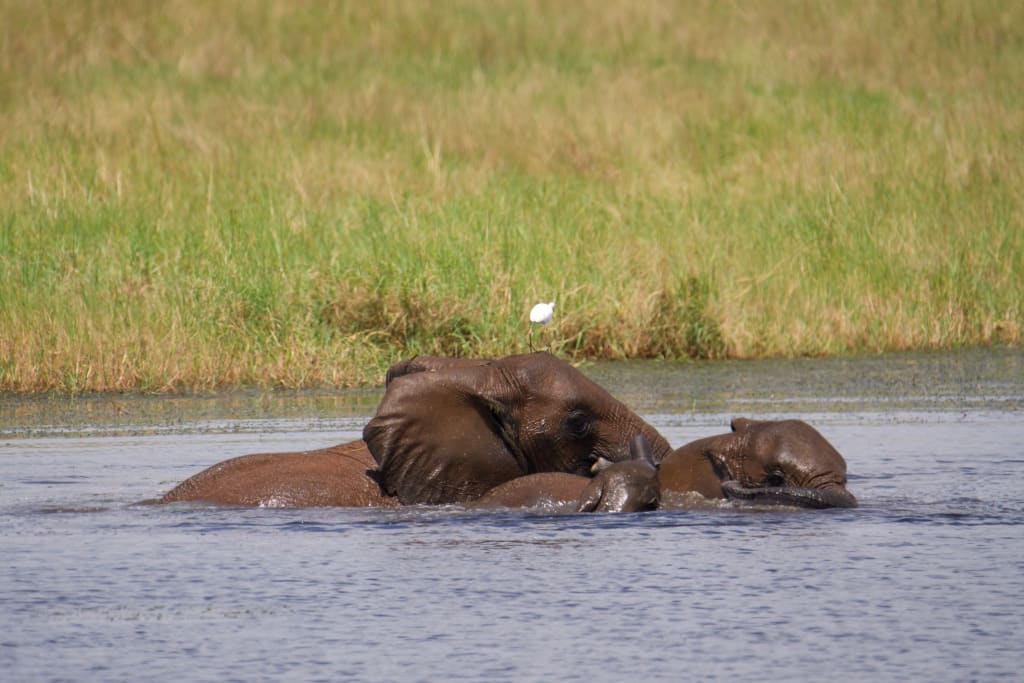
A few of them waded through the water, enjoying a much-needed reprieve from the relentless sun.
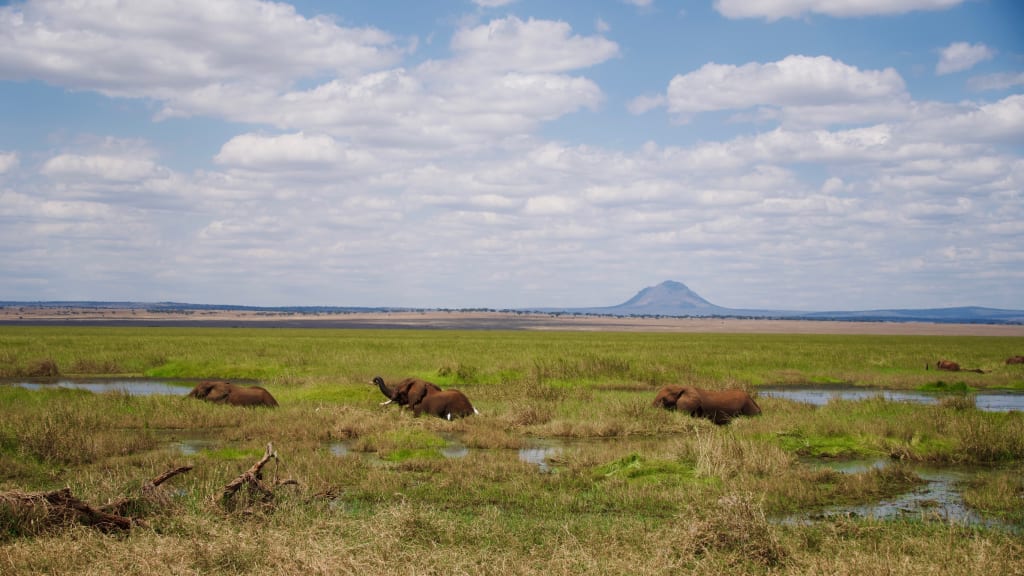
Eventually, they all grew tired of the water and made their way towards dry land. They moved closer and closer towards our vehicle, to the point where I could see the hairs on their chins with my naked eye. They had such a calm presence. They seemed completely unperturbed that we were just a few feet away.
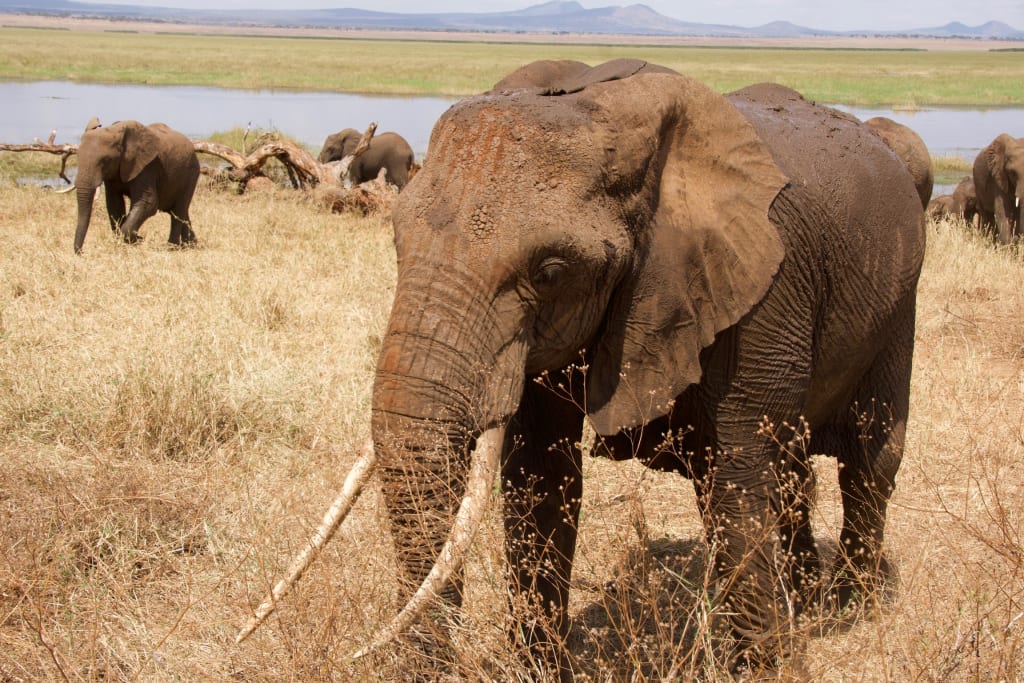
Elephants go through six sets of molars in their lifetime. By around 60 years old, an elephant may be on its final set of teeth, so older elephants often stick close to wetlands and riverbeds like Silale Swamp, where they can find softer vegetation that’s easier to chew. Once those final molars wear out, getting enough calories becomes difficult, which is one reason wild African elephants have a life expectancy of around 60 years.
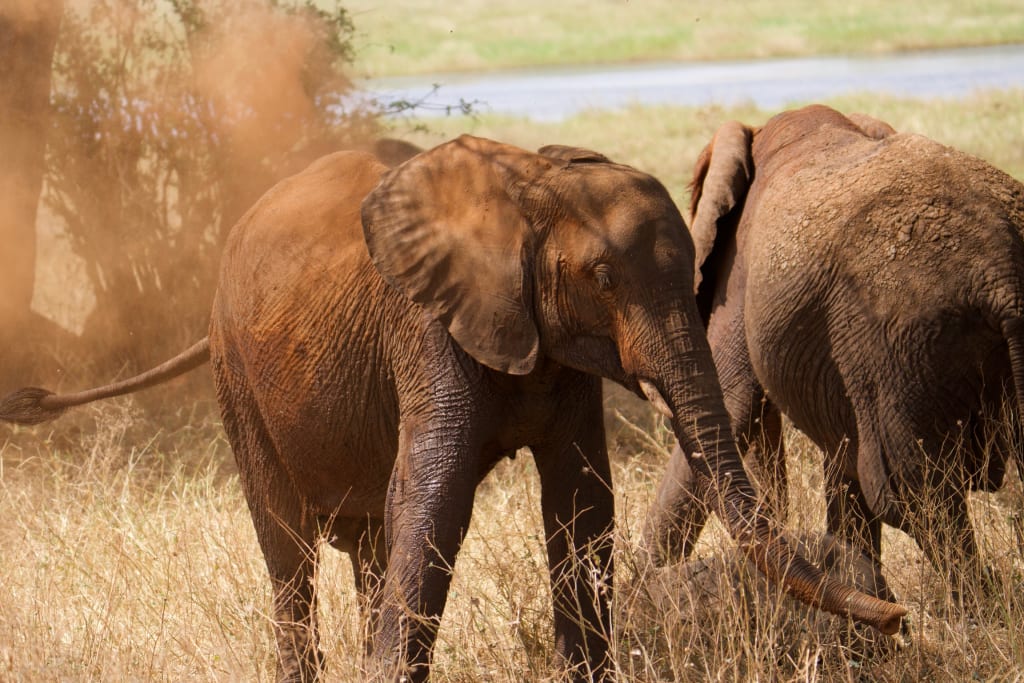
They were in no hurry to move past us. They parked themselves in the shade of a tree just off the road and began throwing dust on themselves to shoo the flies away.
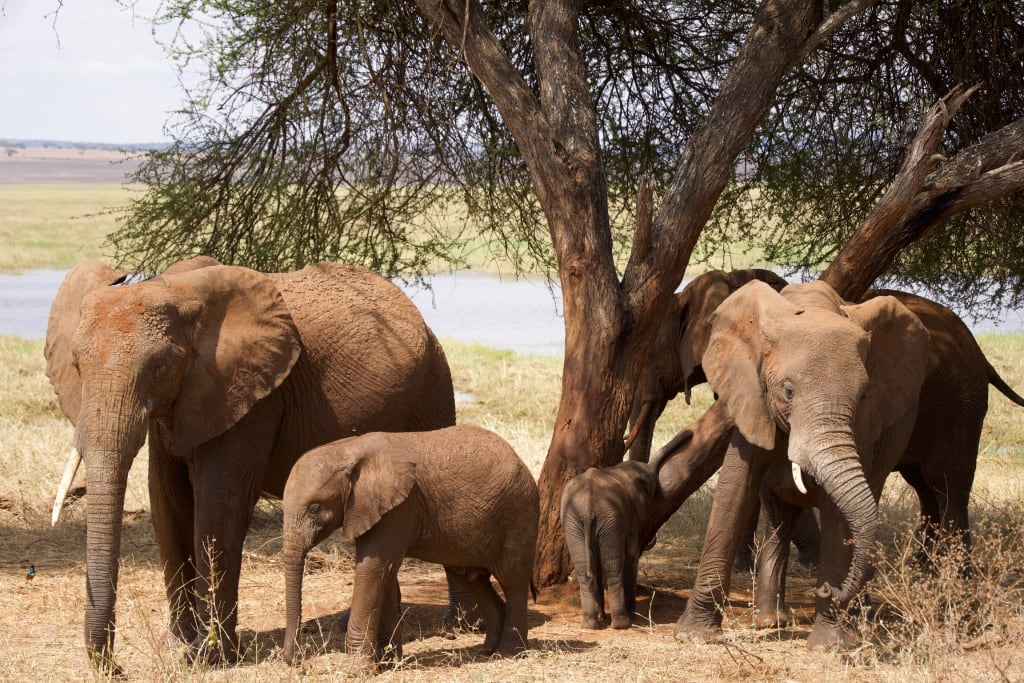
My favorite part of the encounter was watching the little baby that hugged its mother’s side. It was such a tiny little thing! Our guide, Iddy, told us that if a baby can fit underneath the belly of its mother, it’s less than a year old. He also told us they start to grow tusks around a year old, which this baby does not yet have, so I’d guess this elephant was just around a year old.
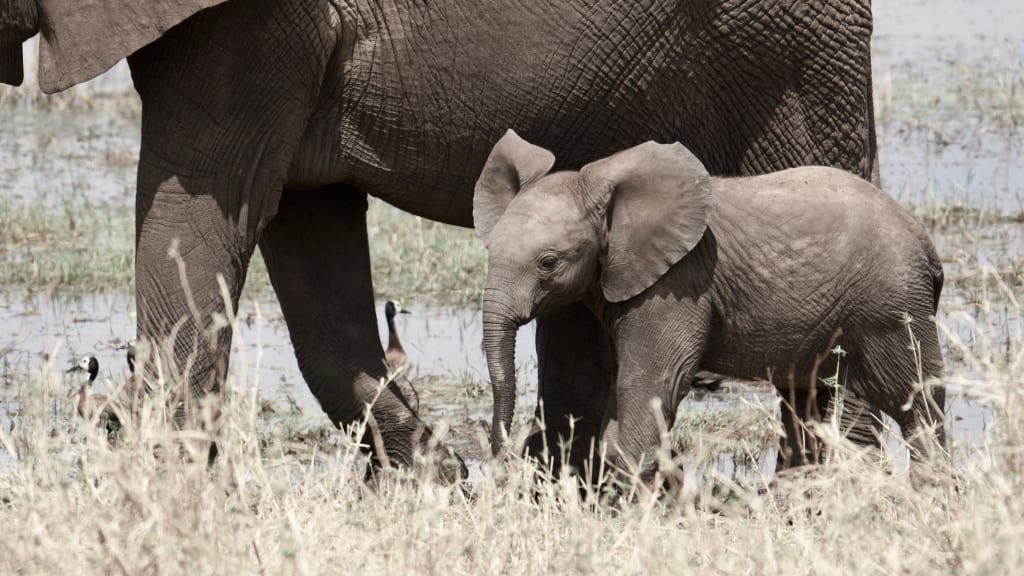
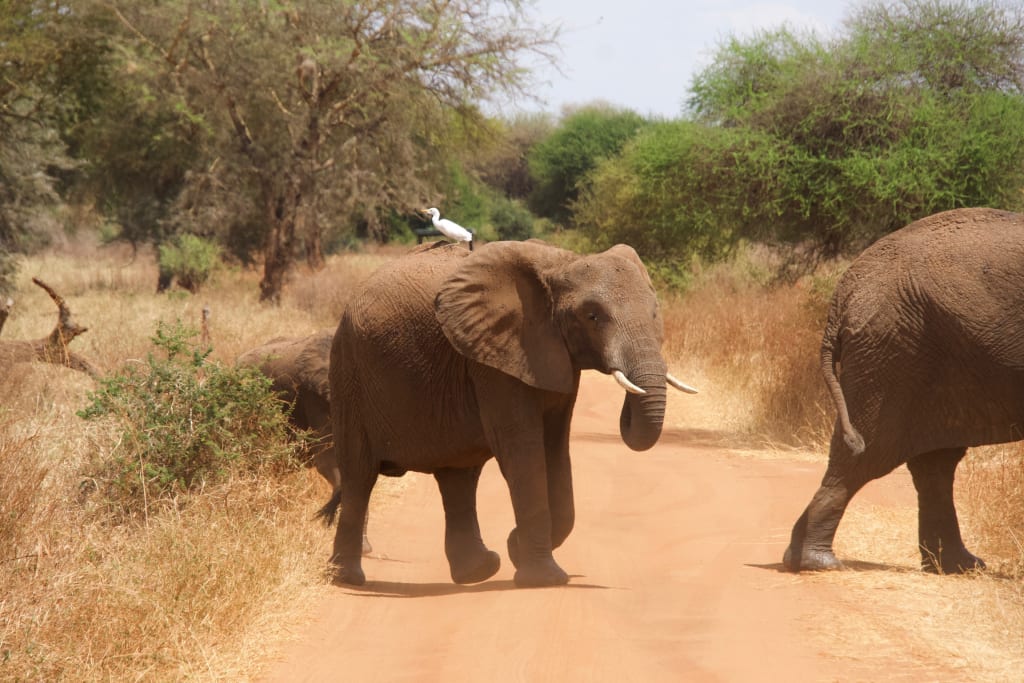
Eventually, the herd decided to move on in search of food. They do eat for 16 hours a day, after all. We took their cue and moved on ourselves.
The Water Hole Party
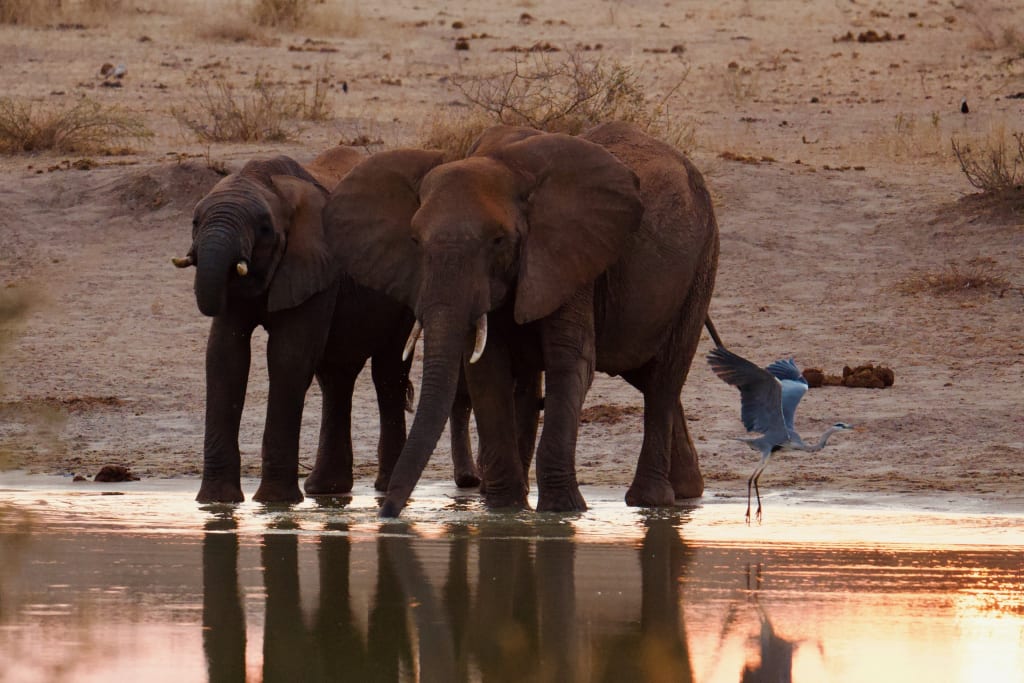
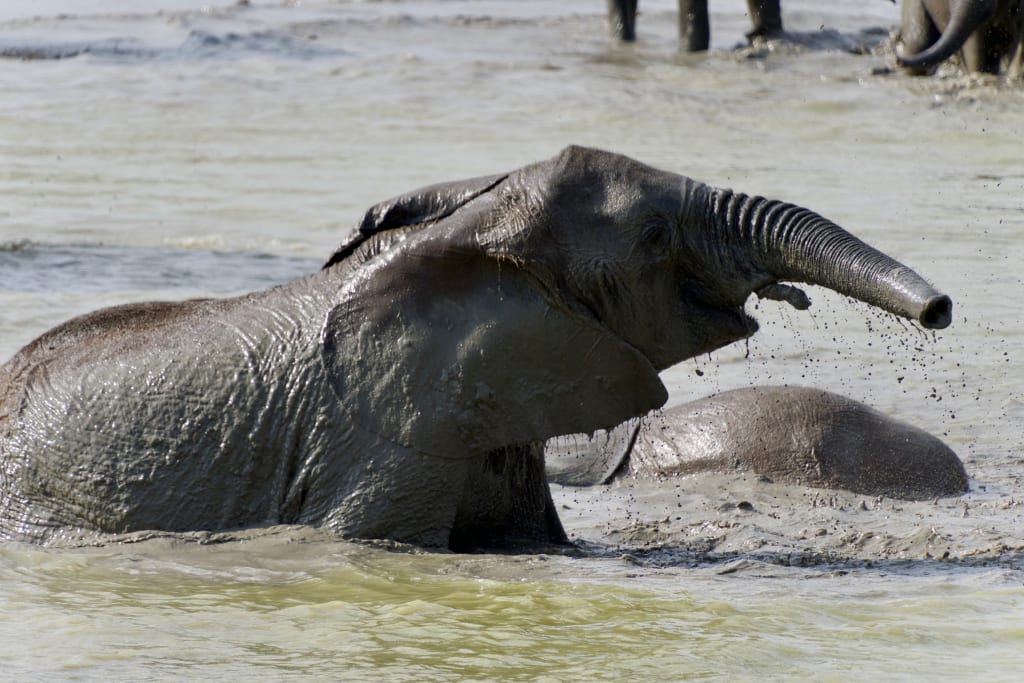
When we got to the watering hole, there wasn’t a single animal around, so we parked ourselves nearby and waited. The sun beat down on us and, just as I started fantasizing about jumping in the water hole myself, a herd of elephants trotted over.
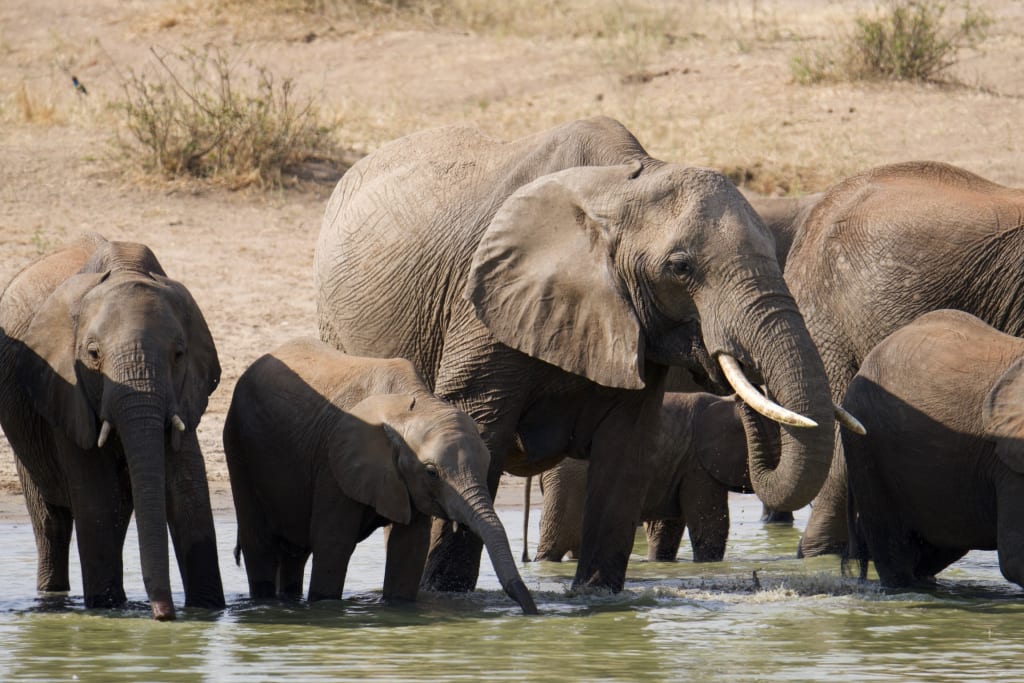
They slurped up the water through their trunks and, once they had their fill, they started to play. They flopped themselves down and rolled around until their entire bodies were fully submerged.
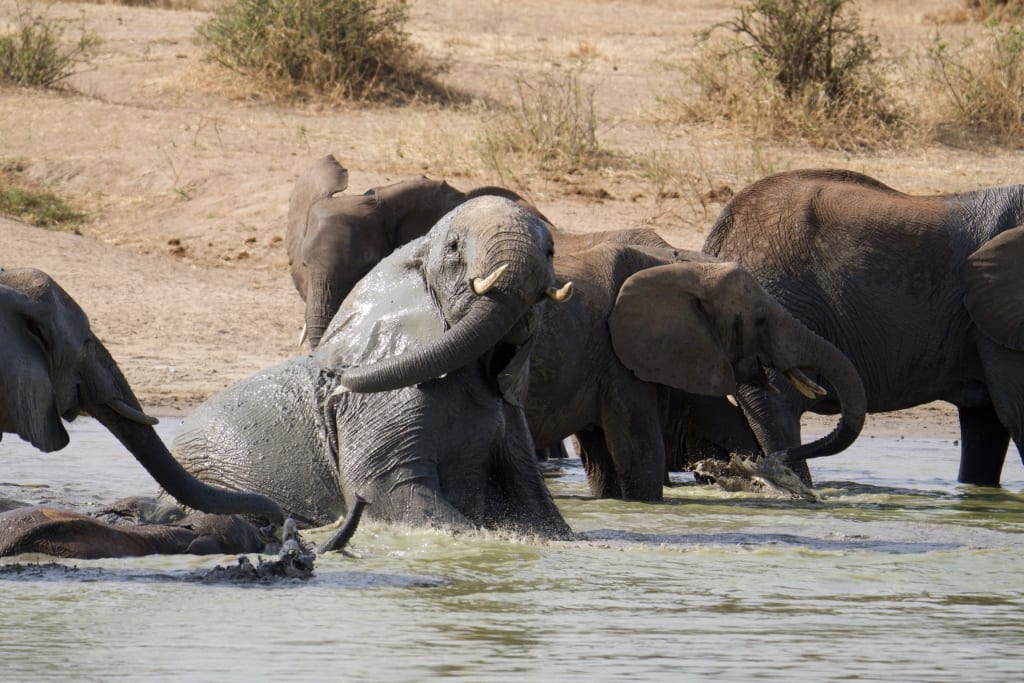
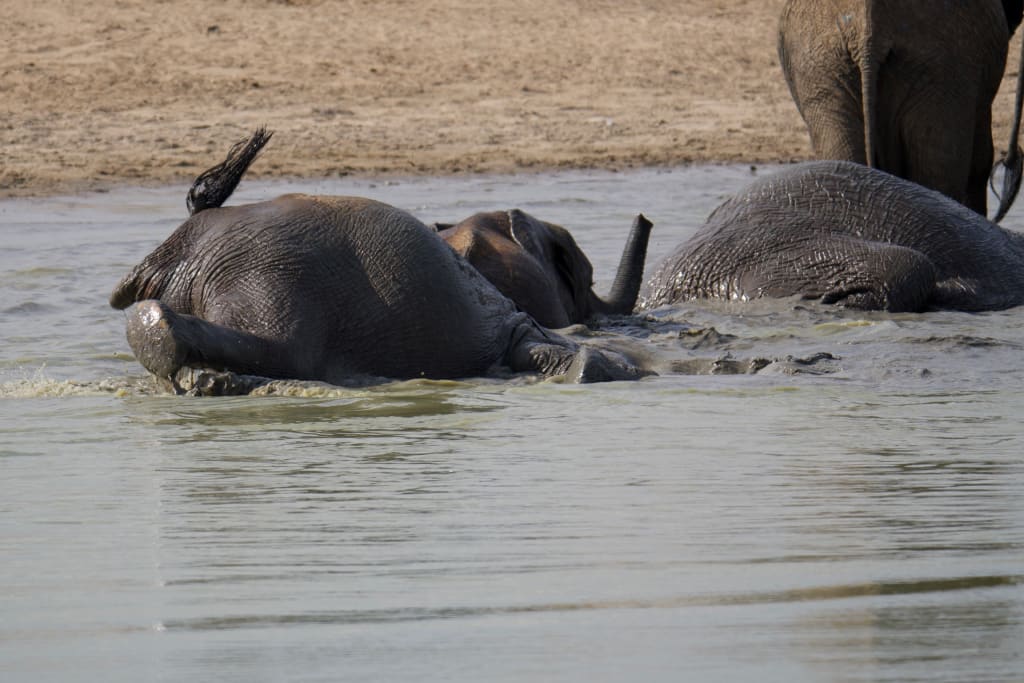
Elephant herds are led by females. The leader is typically the oldest elephant and she is called the matriarch.
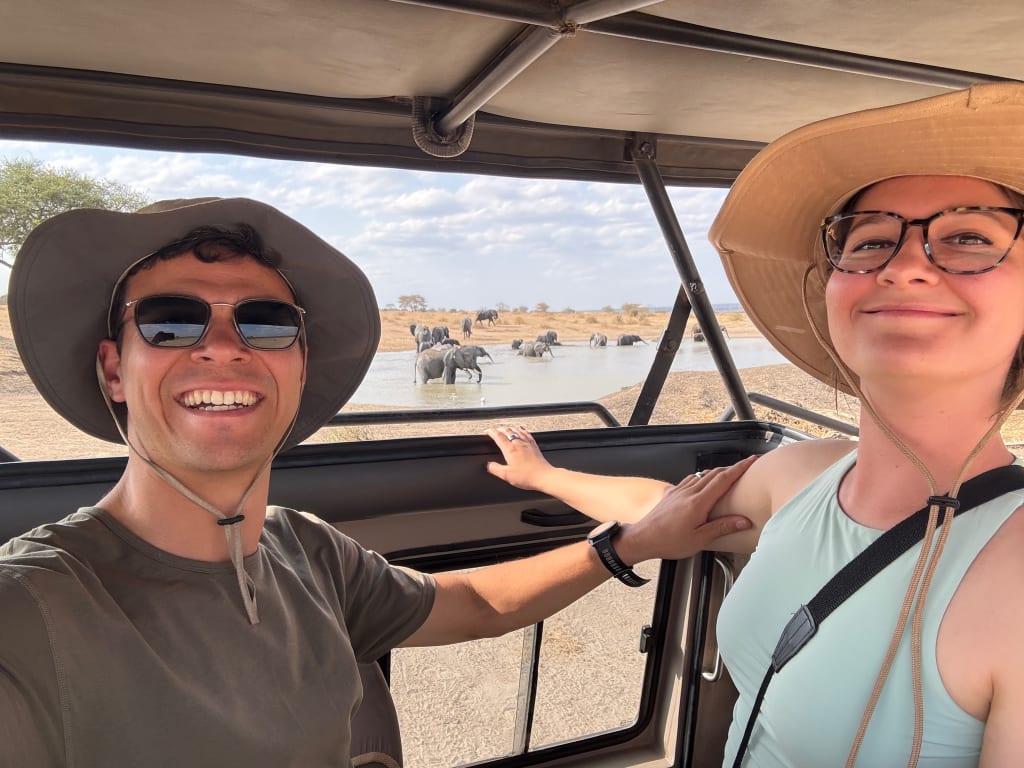
As this herd made their exit, a new herd of elephants arrived on the scene.
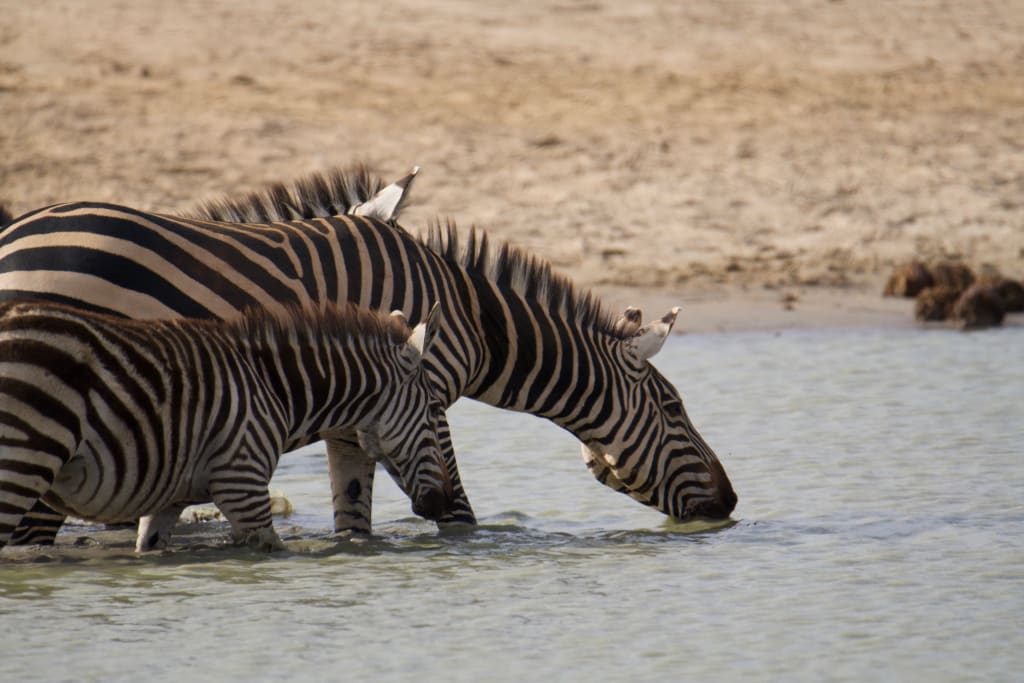
Then came the zebras.
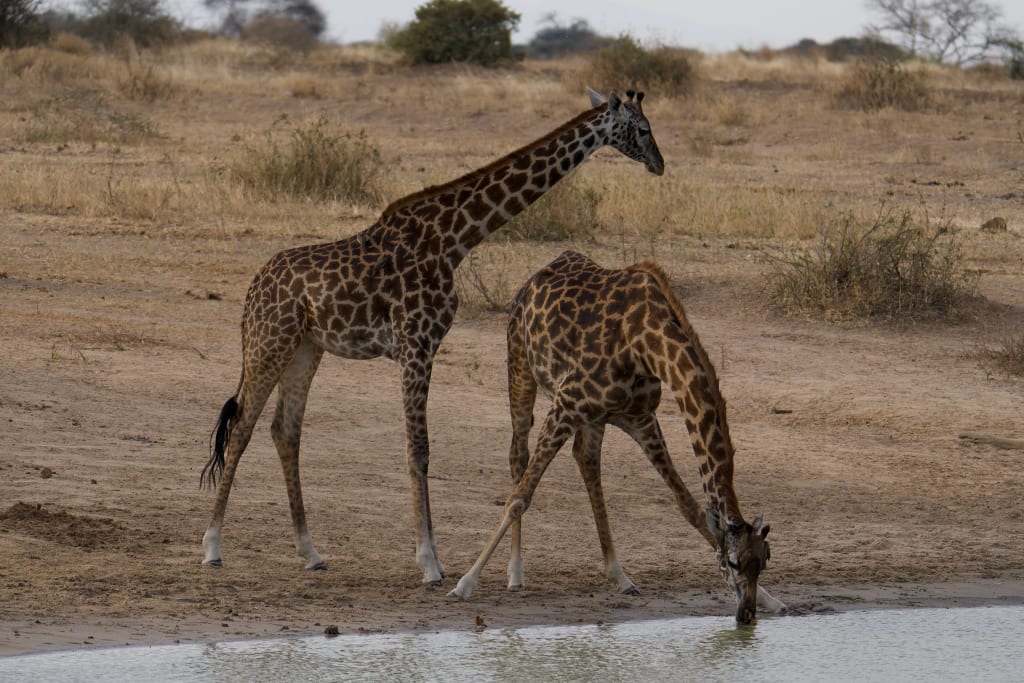
Then the giraffes.
Then a huge herd of wildebeest, but they lost their nerve at the sight of the other animals and wandered away. Typical. Those fickle wildebeest.
And then, an hour after we arrived, the watering hole was quiet once more.
Looking back, the time we spent at the watering hole was one of the most memorable parts of our 2 week trip in Africa. Most of the time on safari, the onus is on you to find the animals and it often takes hours of driving around to find something interesting. At the watering hole, we could just park our vehicle and watch an entire cast of characters cycle through. It was refreshing letting the wildlife come to us for a change.
Vervet Monkeys
Primate sightings are so underrated. Everyone comes to Africa to see the big cats. I get that! Who doesn’t want to see a pride of lions?
But I’d argue that primate sightings tend to be more interesting. Primates are one of the more active animals in Africa.
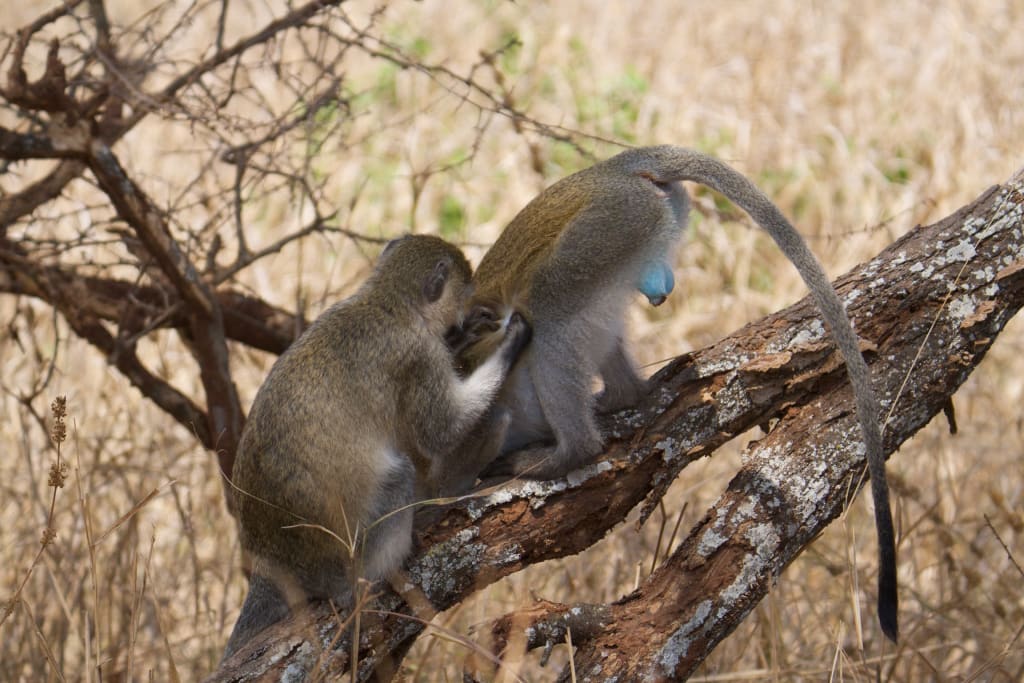
This troop of vervet monkeys we saw was no exception. They groomed each other, battled each other, climbed trees, ate, and mated in the ten minutes we spent on the side of the road watching them.
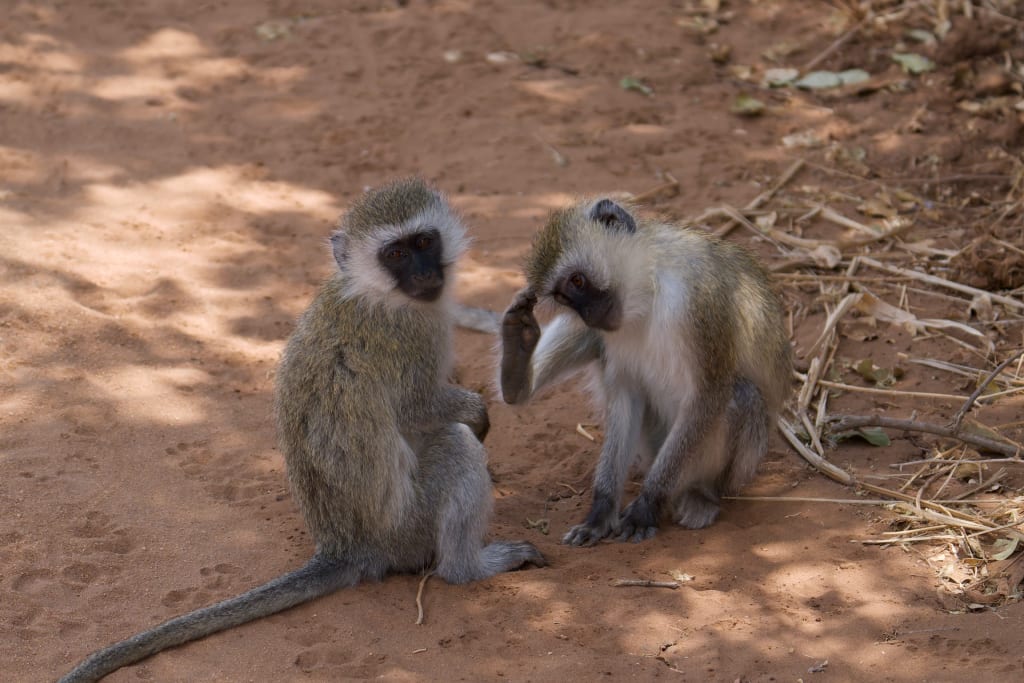
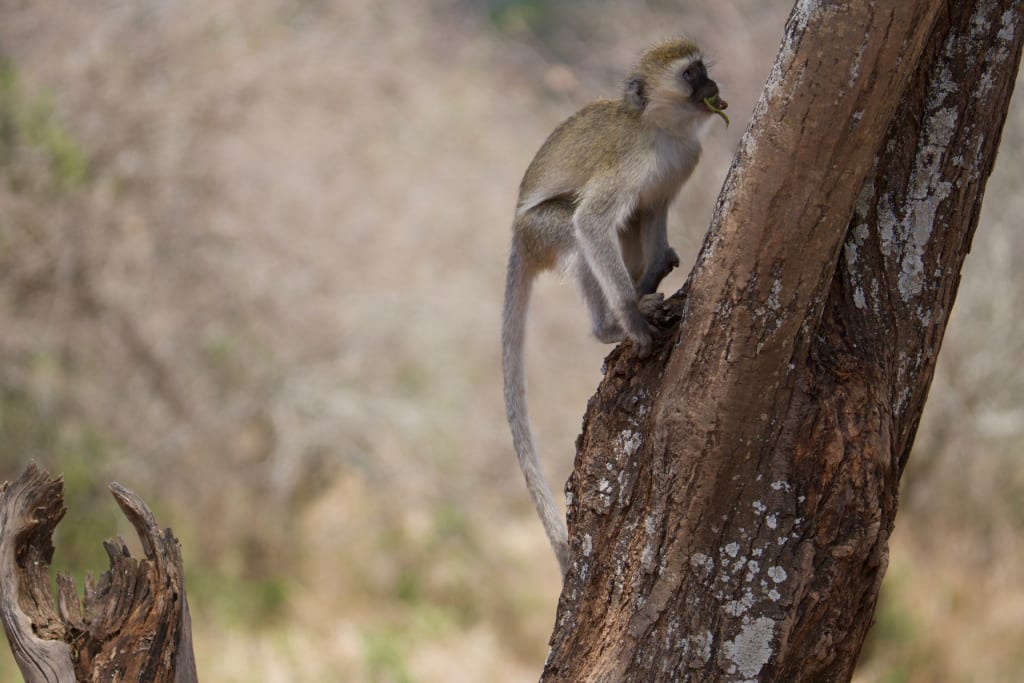
Perhaps the most interesting, and definitely most unexpected, part of the sighting was seeing their bright blue testicles. Once you notice them, they’re pretty hard to ignore.
Bird Sightings
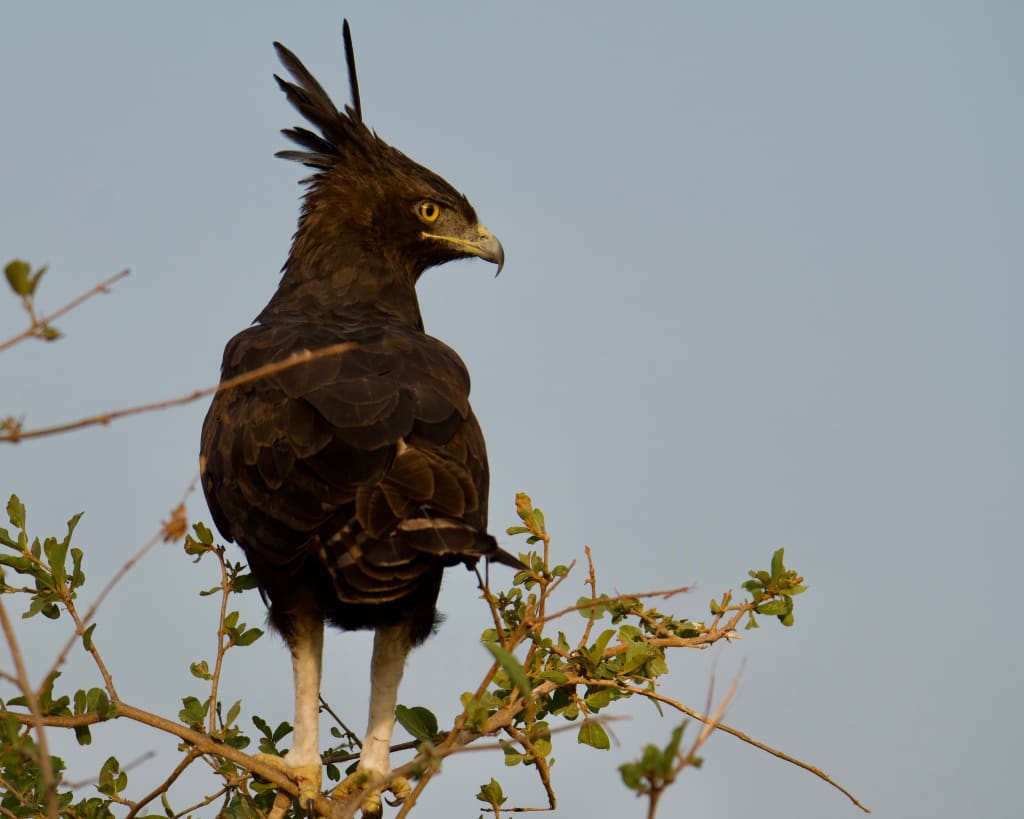
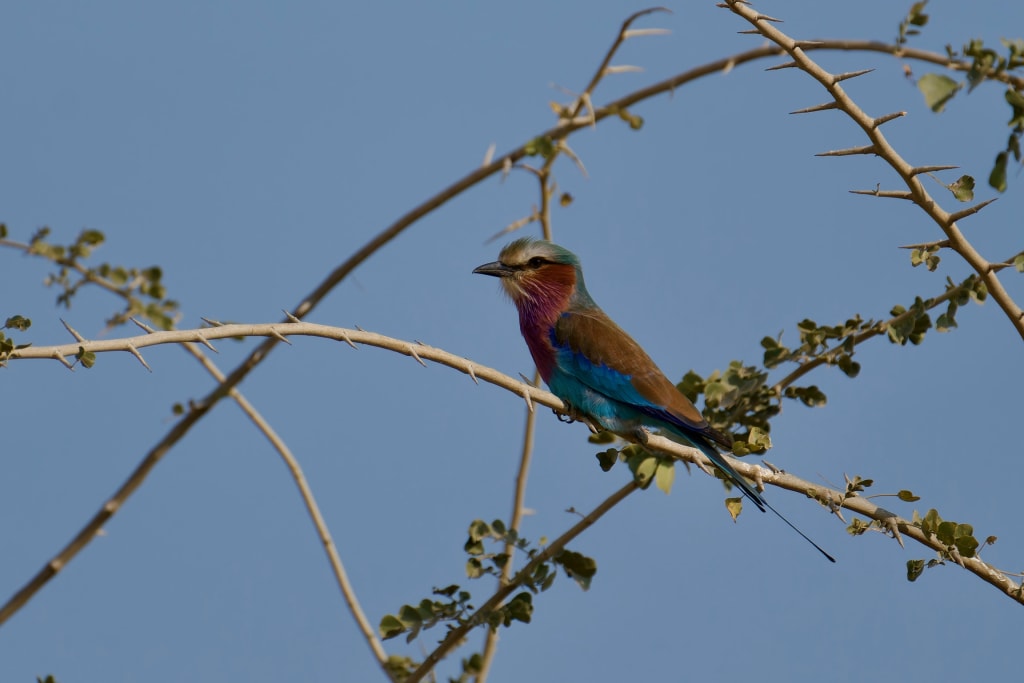
Tanzania has an impressive 22 national parks and many other conservation areas (including Ngorongoro Crater). Of all these wildlife hotspots, bird enthusiasts would probably be happiest in Tarangire, which is home to more than 550 bird species. I personally wouldn’t consider myself a bird enthusiast, but we did have a few sightings that even I was impressed by. These are some gorgeous birds.
The Cheetah
It was a gloomy morning and the energy in the group was low. Alex and I were leaving today. Not just Tarangire, but Africa too. Our two weeks traveling through Kenya and Tanzania had come to a close and no one was happy about it.
On every other game drive, Alex, our guide Iddy, and I scanned the horizon constantly looking for signs of wildlife. Today, no one bothered, so I guess we got incredibly lucky that the cheetah crossed the road just a few feet in front of us and was impossible to miss.
Our final big cat in Tarangire!
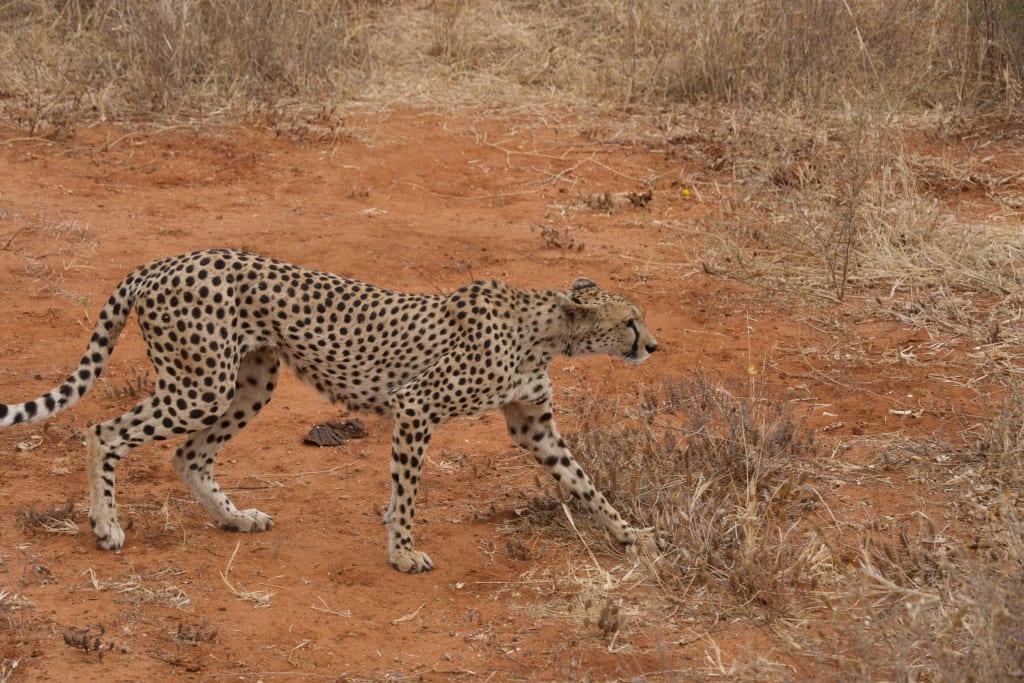
This cheetah was so remarkably lean. I couldn’t help but wonder when was the last time she ate. But cheetahs in general are much leaner than lions and leopards and this lean build is part of what allows them to reach speeds of up to 120 km (~75 miles) an hour.
The Baboons
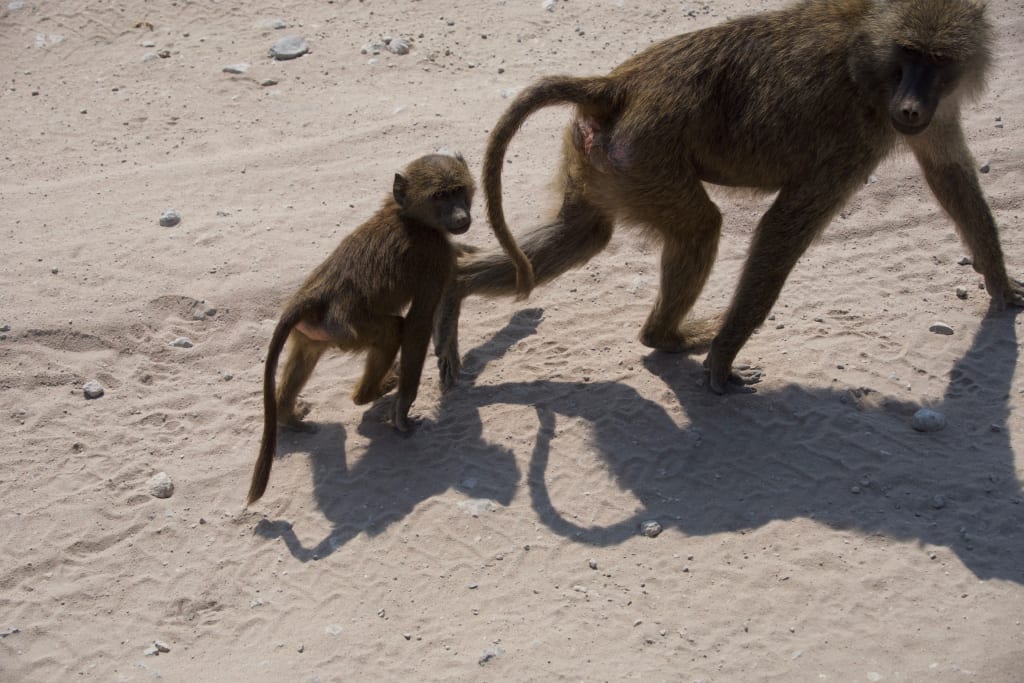
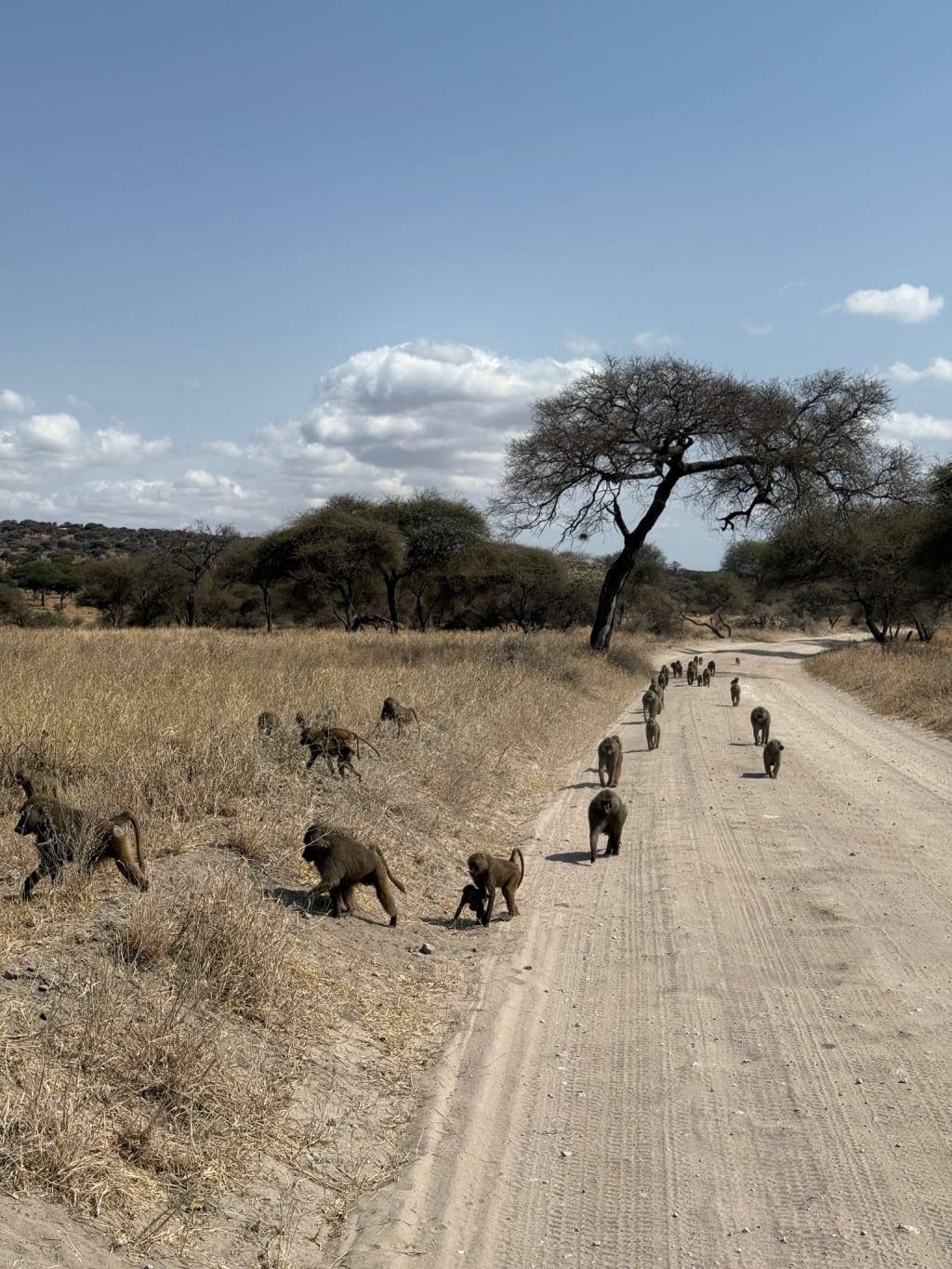
It felt almost poetic to end our trip with a troop of baboons. Baboons were the very first animal we saw in Africa on our trip to Uganda back in 2023. I was so excited to see them and our driver, Bob, found our enthusiasm hilarious. They were just baboons. People hate baboons. They’re such a nuisance. They’re loud, they’re aggressive, and they wreak havoc digging through the trash in search of their next meal. But to me, that moment with the baboons was magical. My first wildlife sighting in Africa! And now, two years later, here were the baboons again, bidding us farewell after the best two week trip through Africa a girl could ask for.
BEST TIME OF YEAR TO VISIT
The best time to visit Tarangire is in the dry season between June and October. We wanted to see the Great Migration in the Northern Serengeti on the same trip, so we visited Tanzania in August and had fantastic weather and wildlife sightings.
If you choose to visit during the rainy season from November to May, you’ll likely have more rain (duh), which can impact the number of animal sightings and make the roads harder to drive on.
HOW MUCH TIME DO YOU NEED IN TARANGIRE?
I highly recommend at least 48 hours in the park, which is how long we spent there.
HOW DO YOU GET THERE?
Most visitors choose to drive from Kilimanjaro International Airport, which takes about 3 hours. Since Tarangire is so much closer to the airport than the Serengeti is, it’s less common to fly into Tarangire, but there are daily bush flights available if you’re short on time or would prefer not to drive on the unpaved roads.
DO YOU NEED A GUIDE?
I highly recommend getting a guide for your safari for a number of reasons. First, guides are experienced in identifying the signs that an animal is near before they’re able to see it, so you’ll likely have more sightings with a guide. They also communicate with other guides over the radio when there’s a particularly good sighting, so you get the added benefit of more eyes in other places looking out for the animals.
Furthermore, the guides know where it’s safe for tourists to eat, and are familiar with the long drives on bumpy dirt roads. It takes a long time to get from place to place, and trust me, you’d rather relax and take a nap in the back of the car than tackle the drive from park to park yourself.
Alex and I traveled with EasyTravel Tanzania, and have nothing but positive things to say, especially when it comes to our outstanding guide, Iddy. His knowledge went above and beyond what we’ve seen from other safari guides we’ve had in the past.
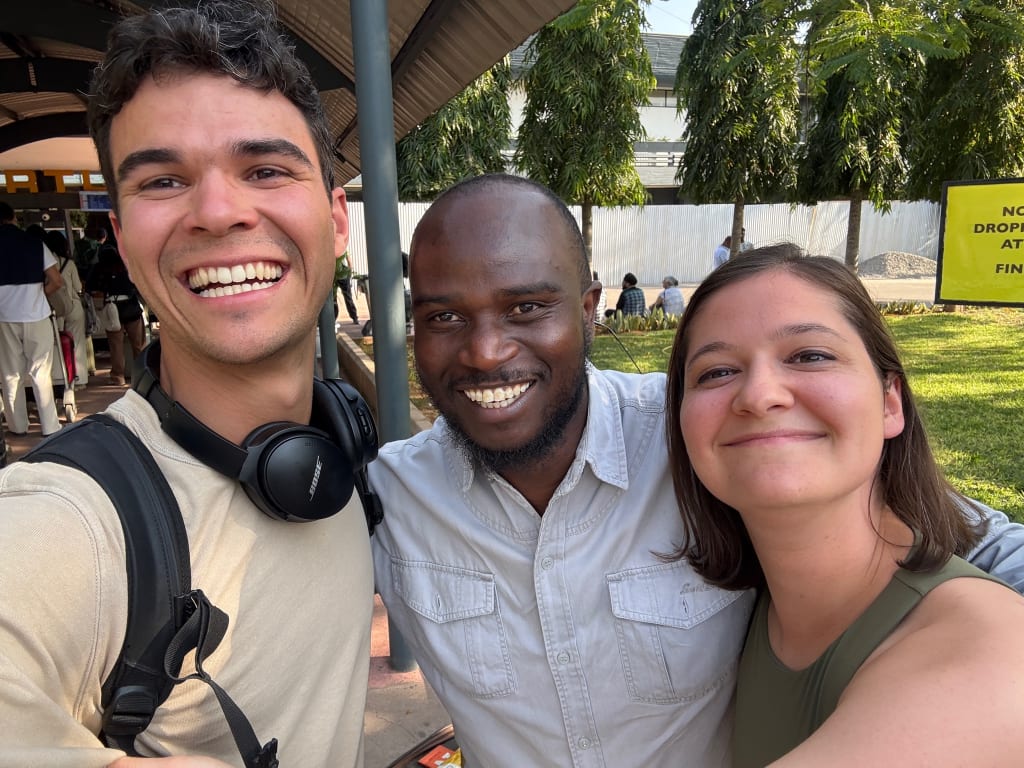
I strongly recommend hiring a private guide so you can go at your own pace, start the day when you want, and take bathroom breaks when you need to without inconveniencing the other guests.
PREPARATION TIPS
Bring binoculars: Ideally one pair for each person, as it can be cumbersome to constantly adjust the settings. Alex has the 8x42 Crossfire Vortex binoculars and I have the 8x32 Vortex Diamondback binoculars and we love both.
Bring a good camera with a zoom lens: Some animals will wander right up to your safari vehicle, others will be hundreds of feet away. Having a zoom lens will allow you to get high resolution shots of the animals. We brought a Sony a6700 camera with a Sony 200-600mm lens plus a Sony a6400 camera with a Tamron 18-300mm lens.
Avoid Dark Clothing, Opt for Neutral Colors: The resident tsetse flies are drawn to black and blue, so avoid wearing those colors if possible. Wear light neutral colors like khaki, beige, or green instead.
Protect yourself from insects: Bring insect repellant. We recommend Picaridin over Deet. It's just as effective, but doesn't damage gear like cameras. Talk to your doctor about getting a prescription for atovaquone/proguanil (Malarone) to prevent malaria.
Chat with your doctor about vaccinations: We ensured our Hepatitis A, Hepatitis B, polio and typhoid vaccines were up to date before we travelled.
Prepare for long, bumpy drives: Expect unpaved roads, lots of time sitting, and potentially significant distances between sightings.
Bring your own bathroom supplies: Public restrooms are few and far between, and toilet paper and soap aren't always available. Bring toilet paper and hand sanitizer for bathroom breaks during game drives.
IS IT WORTH IT?
Yes, Tarangire National Park needs to be on your Tanzania itinerary.
You would think after 12 days on safari, we would be tired and ready to go home. To an extent, we did feel that way, but Tarangire reenergized us and became one of our absolute favorite parks we’ve ever visited in Africa. This is a controversial opinion, but I would return to Tarangire National Park before I went back to Ngorongoro Crater, for example.
The herds of elephants we saw were a highlight, but our favorite thing about Tarangire was the diverse scenery. The swamps and wetlands. The watering hole. The dry savannah. The towering Baobab trees. Tarangire was a treat for the eyes.
We also had fabulous big cat encounters in this park, including multiple lions and a leopard in trees and a cheetah crossing the road right in front of us.
Too many people visit the Serengeti and miss one of Tanzania’s best attractions: Tarangire. Don’t let yourself be one of those people! Make time for Tarangire!
FAQS
Can you see the Big Five in Tarangire?
You can only find four of the Big Five in Tarangire: lions, leopards, elephants, and buffalos. Sightings of these four animals are very common. You won't find rhinos in Tarangire, though, sadly.
If you have your heart set on seeing rhinos, I recommend a visit to Ngorongoro Crater. Expert Africa reported that 70% of their guests saw a black rhino there. Sadly, we did not though.
What camera equipment do you recommend?
We brought a Sony a6700 camera with a Sony 200-600mm lens plus a Sony a6400 camera with a Tamron 18-300mm lens.
Do I need binoculars?
Yes. They are a must, and if possible I would recommend getting a pair for each person on the trip, as it can be cumbersome to constantly adjust the settings for each person. It is an added expense, but the safari is a significant investment of capital, and it is worth investing in the right gear to maximize the experience you have. The tour operator usually provides one pair of binoculars, but they will use them to spot wildlife as well, so you are sharing with a number of people.
Alex has the 8x42 Crossfire Vortex binoculars and I have the 8x32 Vortex Diamondback binoculars and we love both.
Do safari vehicles have AC?
Often they do not. When you are driving, it is not as much of a concern, because guides often keep the windows open and in most vehicles the roof of the car pops up and allows in a lot of air. However, you will be parked in one spot when you are viewing animals, and the sun is strong. I recommend packing a portable hand-held fan, sunscreen, and a wide-brimmed hat.
What is the bathroom situation during the safari?
There are bathrooms in the parks, although they are few and far between. I would highly recommend bringing your own roll of toilet paper and hand sanitizer every day as availability in the facilities is not guaranteed. I also found Asian toilets to be more common than Western toilets.
More often than not, we ended up doing a bush pee, which involved pulling off to a remote corner of the park and urinating behind the vehicle. If you are not comfortable with this, the guide will find facilities for you, but as I mentioned it is often a lengthy drive to get to the nearest facility and it will reduce the amount of time you have for wildlife viewing.
Where did you stay in Tarangire National Park?
We stayed at Tarangire Tortilis. It was the second Tortilis property we stayed at in Tanzania and we loved both of them, although I would describe them both as “rustic accommodations.”
How rough are the roads in Tanzania? Will I get carsick?
The roads are not paved in Tanzania, so you will get to experience what they call an “African massage”. It is bumpy, but the roads are not too windy so I personally did not have an issue with car sickness.
Do I need malaria medication to visit Tanzania?
Yes, you do. I have taken atovaquone/proguanil (Malarone) many times now, including on my trip to Tanzania, and have never experienced side effects, so I would recommend talking to your doctor about a prescription.
What vaccines do I need to visit Tanzania?
The CDC recommends Hepatitis A, Hepatitis B, polio and typhoid vaccines for most travelers to Tanzania.
Is it safe to visit Tanzania?
We personally felt safe the entire time we were in Tanzania. Tourism is very popular in the country, especially through the Northern Circuit that includes Tarangire, Ngorongoro Crater, and the Serengeti, so you certainly won’t be venturing off into uncharted territory. That being said, we strongly advise traveling with a local guide and checking your government’s travel advisory before your trip.
Is it safe to visit Tarangire National Park?
Visiting Tarangire National Park is very safe if you follow park and camp rules. Make sure to follow your guide’s instructions and never step out of the vehicle unless the guide tells you it’s okay. This should be common sense, but do not touch wildlife even if they approach the vehicle. Do not leave your room after dark without an escort, as animals frequently wander through camp at night.
EXPLORE MORE

48 Hours in the Central Serengeti With Unbelievable Big Cat Sightings

How to Witness the Great Migration in Tanzania

A Magical Hot Air Balloon Safari over the Maasai Mara

Hunting with Africa’s Last Hunter-Gatherers: Our Experience With the Hadzabe

Visiting 3 Tribes in Tanzania: 2 That Felt Authentic and 1 That Didn’t

The Reality of Maasai Village Visits: Here’s What Didn’t Sit Right
