
Best Things To Do In Kyoto: What's Actually Worth It (And What I'd Skip)
Kyoto has the rare and perfect blend of tradition and modernity. Stepping into its historic neighborhoods feels like taking a time capsule back to the past, yet just a few steps away are neighborhoods that looked like they were built last week.
Kyoto has a lot to offer. Temples and shrines dating back to the 8th century AD. Colorful markets with exotic foods. Bamboo forests and monkey parks. It's also the city in Japan with the largest population of geishas, which was of particular interest to me after I read Arthur Golden's Memoirs of a Geisha.
But with such a magnificent collection of sights comes crowds. Yes, there were crowds in Tokyo, but the city's attractions are much more spread out and tourists don't congregate in the same 5 spots, making it feel less overrun. If you're on social media, you've also probably noticed how everyone and their brother is going to Japan. Tourism in Japan has soared over the past 20 years and even doubled over the last decade, rising from 19.7 million tourists in 2015 to 42.7 million in 2025. The biggest question in my mind going into this trip was if it was going to feel authentic, or be worth it battling hordes of tourists day after day.
In this article, I'll give you my guidance on the best way to spend your time in Kyoto and share my honest opinion on if Kyoto is worth it despite the crowds.
BEST THINGS TO DO IN KYOTO
Fushimi Inari
These iconic red torii gates are likely the first thing you think of when you picture the city of Kyoto. At least that's what I think of!
A morning stroll through these gates cannot be missed.
To learn all about how we avoided the crowds, check out my Fushimi Inari guide below.

2 Tips to Avoid the Crowds at Fushimi Inari (Kyoto)
Kiyomizu-dera
Kiyomizu-dera is a large Buddhist temple complex on the outskirts of Kyoto, offering wonderful views of the city below. There are many temples, shrines, and pagodas on the premises, so it takes at least 90 minutes to explore the grounds entirely.
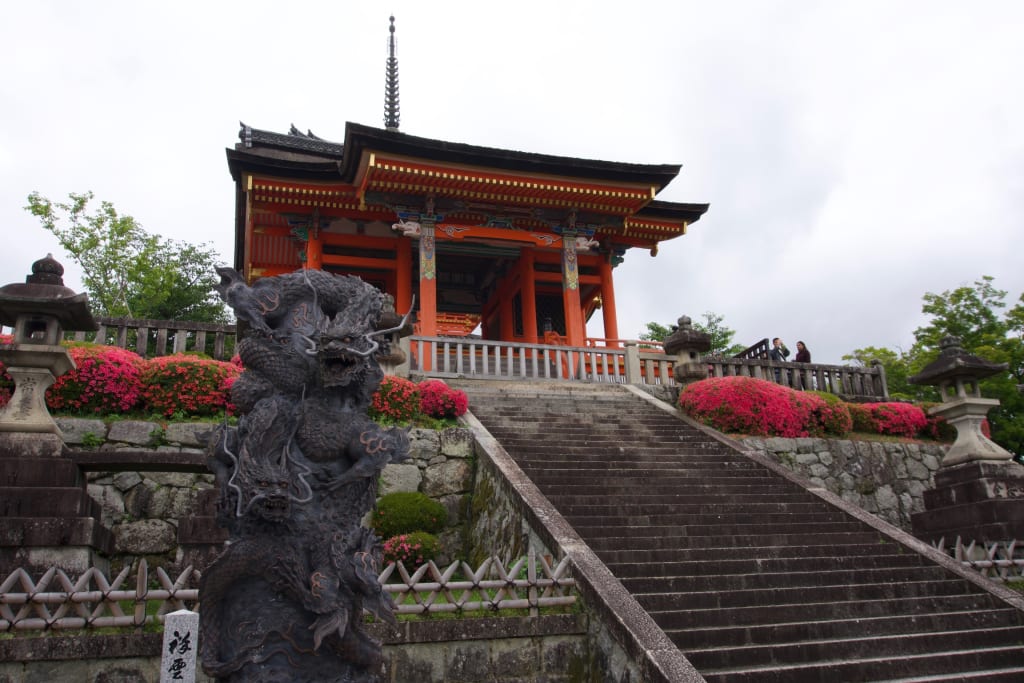
One of the most widely photographed buildings is the Main Hall built right on the hillside.
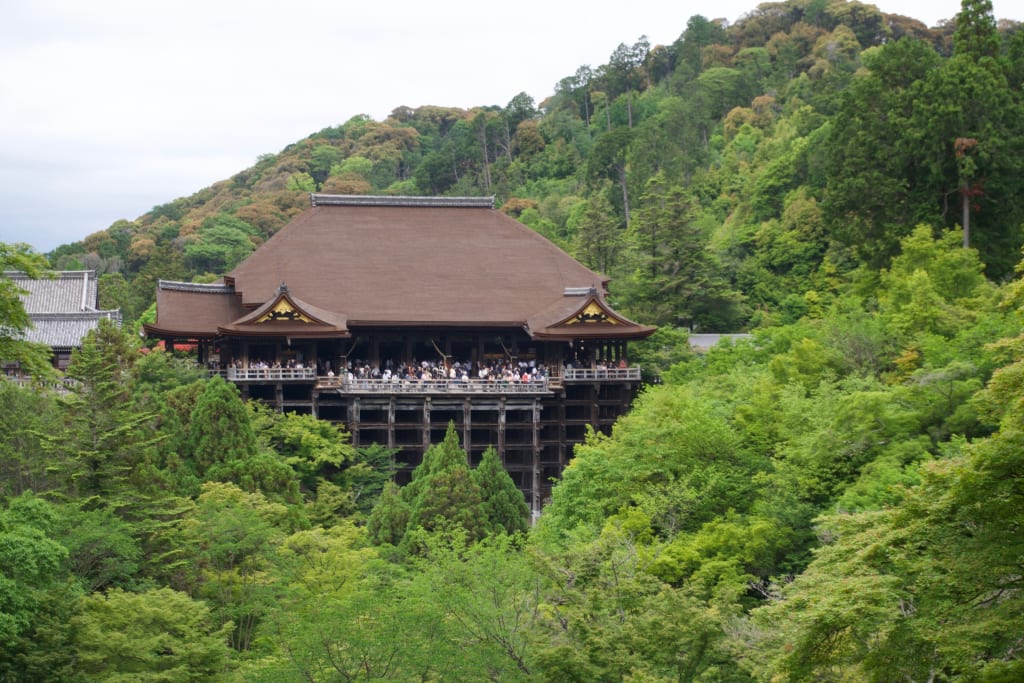
During the Edo period, some visitors voluntarily jumped from Kiyomizu-dera's famous wooden stage as an act of faith, believing their prayers would be answered if they survived. Temple records document 234 jumps, of which about 85% survived the roughly 43 foot fall. The practice was banned in 1872.
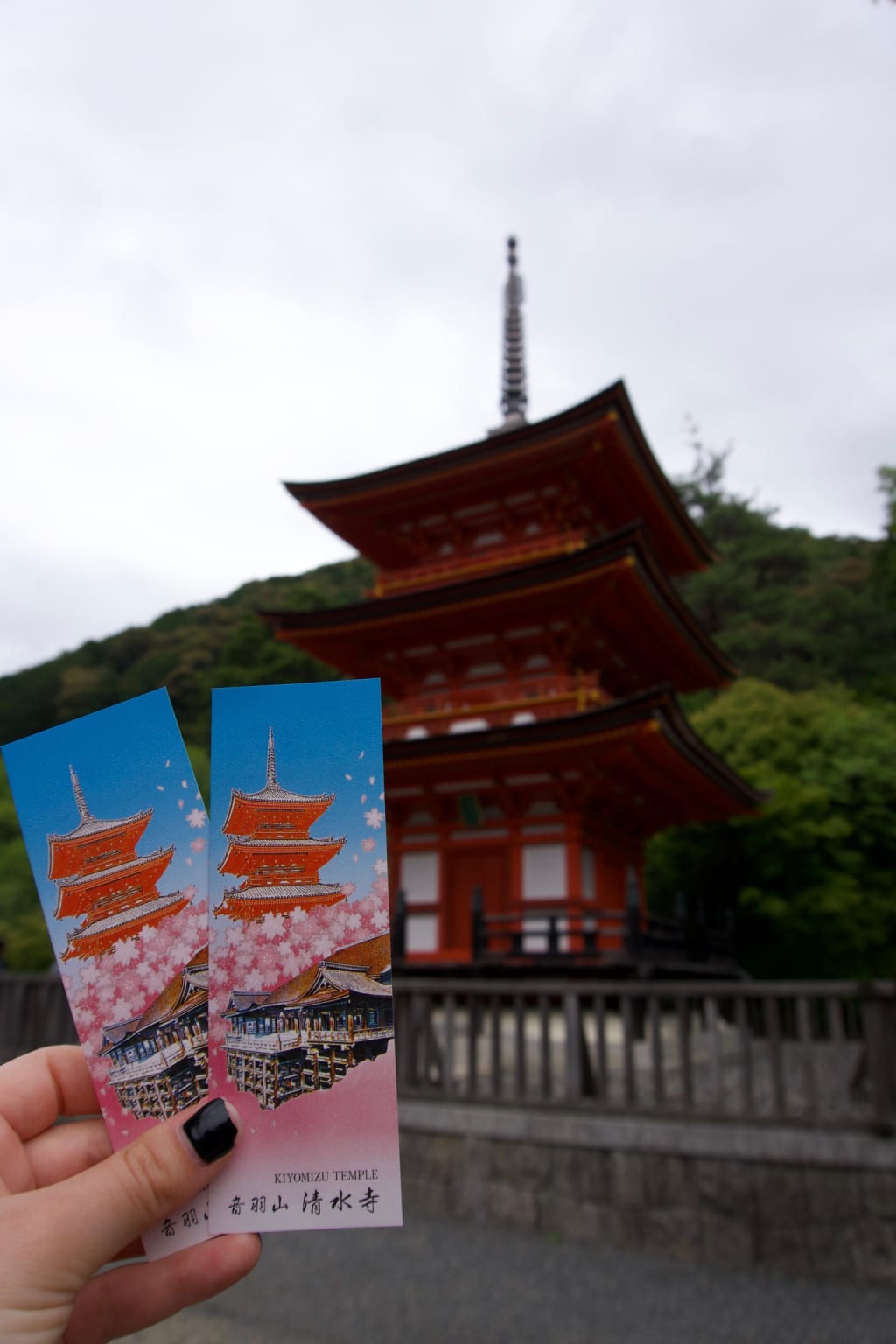
Another can't miss spot is the Otowa Waterfall, which is divided into three streams which represent Health & Longevity, Career Success, and Success in Love. Don't be greedy! You're supposed to pick just one. There was quite a line at the waterfall so Alex and I opted out, but I would have drank from Success in Love as that's the most important to me. I should probably choose Health & Longevity with my dysautonomia though!
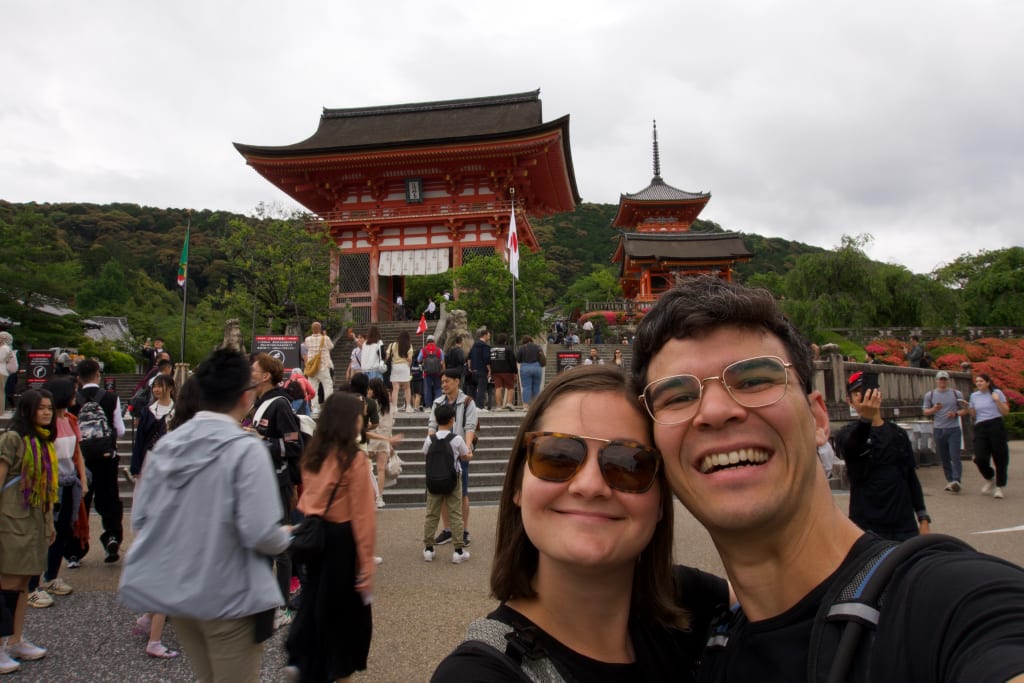
This complex is one of Kyoto's 17 UNESCO World Heritage sites and, being honest, it's one of the most crowded places in Kyoto. We arrived at 8:30 am and it was already crawling with people. The crowds got worse and worse as the morning drove onwards. If you want a more peaceful experience, opt for an early wakeup and try to get there at 6:00 am when it opens.
Take a Tour of Gion (Preferably at Night)
Out of all the things we did in Kyoto, this was my personal favorite by a mile. Alex and I went on this small-group geisha night walk tour and loved it (not sponsored!).
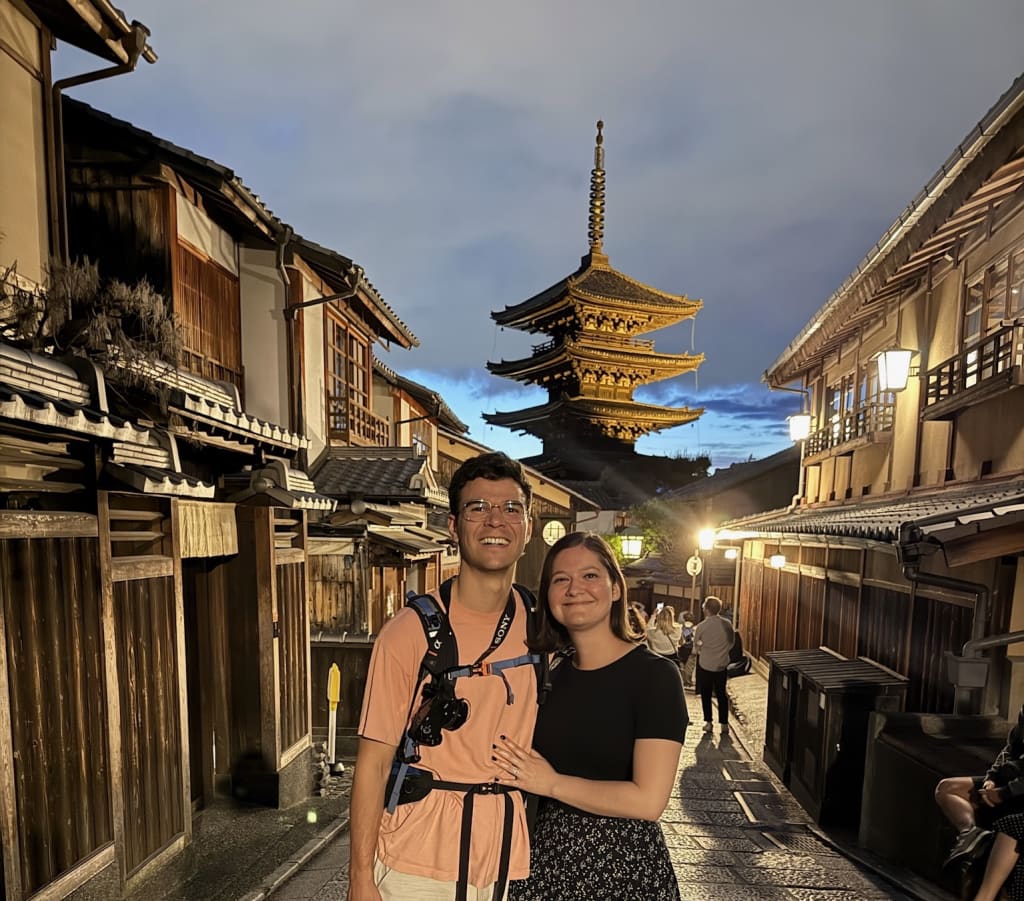
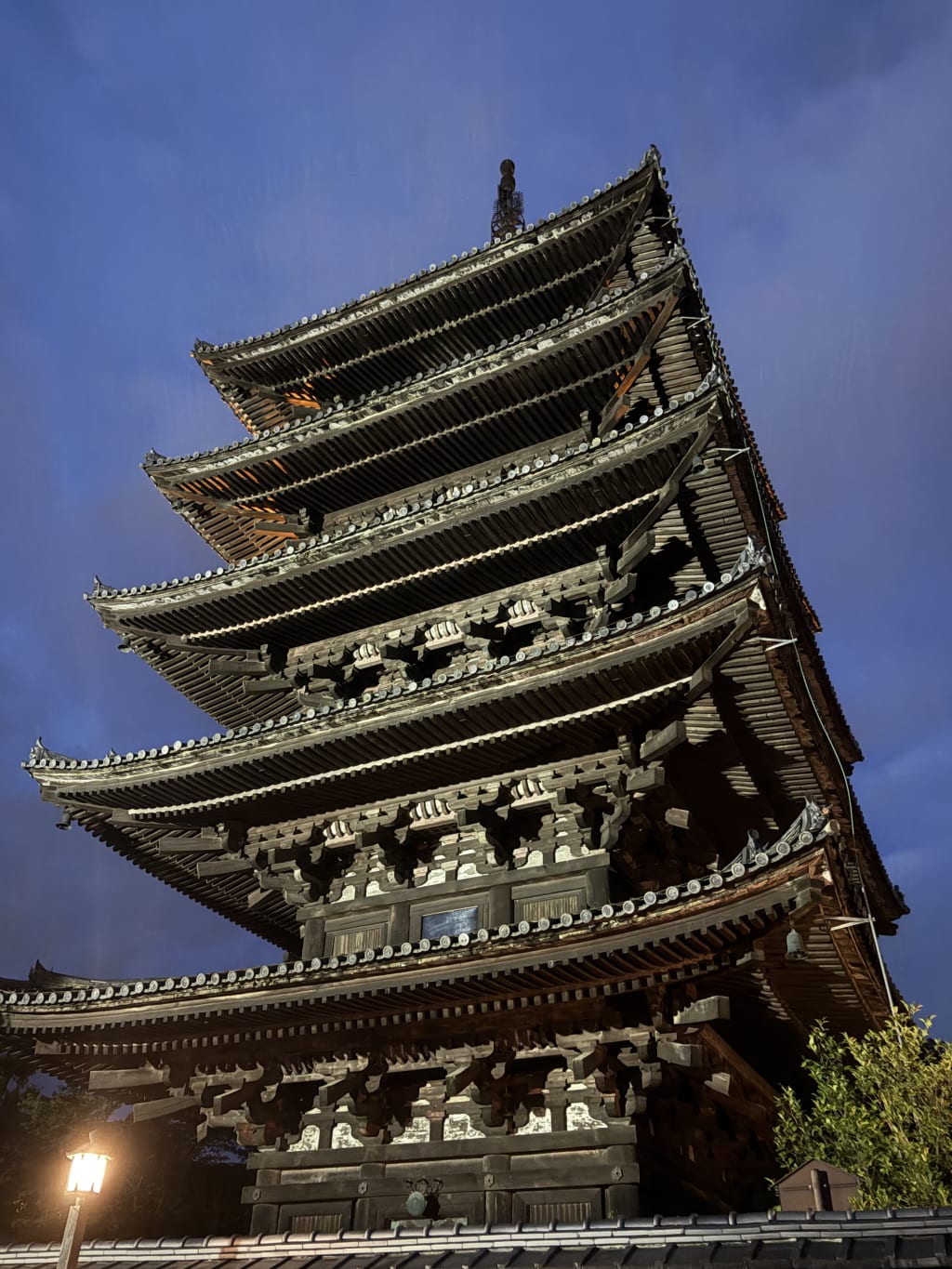
Both of us had developed an interest in learning about geisha culture after reading Memoirs of a Geisha, so we were thrilled with this tour. Richard was an excellent guide who kept us engaged and taught us a lot. Added bonus: we caught a glimpse of not one, not two, but three real life geisha! (Two geisha and one apprentice geisha or maiko). You're not allowed to photograph their faces (as they've had issues with tourists harassing geisha for photos) but we got a photo from behind.
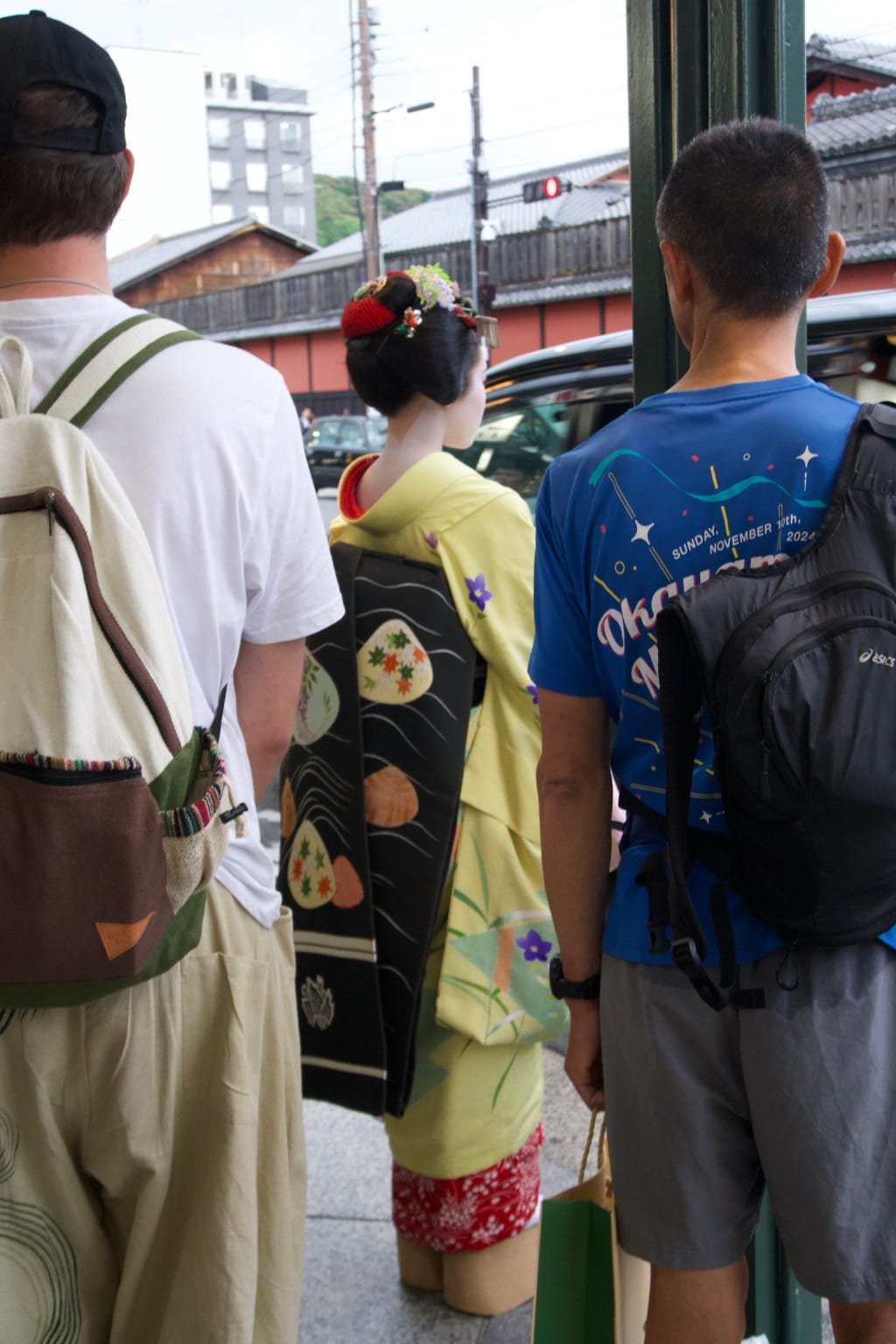
On this tour, we passed through traditional, historic streets with okiya (where geisha live), teahouses (where geisha perform), and the school where they learn arts. We also stopped for a free dessert along the way.
- Geisha are far rarer than they once were. Before World War II, there were 10,000 geisha in Kyoto. Now, there are only 300.
- Today, the top geishas make $1-2 million USD per year. On average geishas make $200,000-300,000 USD per year.
- The oldest geisha in Kyoto today is 92 years old.
- A geisha's wardrobe is incredibly expensive. There are 24 "seasons" for kimonos and it's only appropriate to wear a kimono during its season (for example, a cherry blossom kimono is only worn when there are cherry blossoms). Each kimono is hand painted and costs $10,000.
Participate in a Traditional Tea Ceremony
Participating in a traditional tea ceremony is a perfect way to start your morning, especially if you're looking for a caffeine fix anyway. It's only 45 minutes long and it's a great way to experience something that has been so integral to the culture in Kyoto for 500 years.
We participated in a ceremony at Tea Ceremony Sakaguchian and thoroughly enjoyed it. The views of the garden outside were delightful and I particularly enjoyed the Q&A section where a translator would ask questions to the tea master.
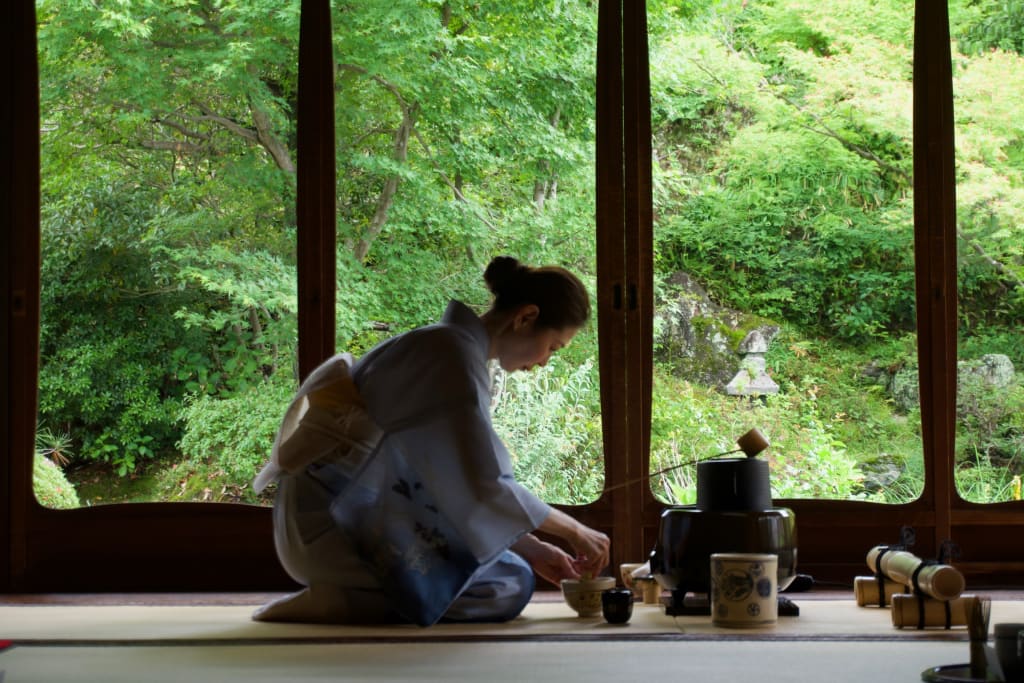
The tea ceremony is a highly refined art form that must be studied for at least 2-3 years before someone attempts to lead it. The tea master studies every detail in school, from how exactly to walk and open the door to how to clean the utensils. They can go to school for up to 8 years to study this.
I'd recommend booking this experience at least a few weeks in advance. They were booked out the day we went and for the next few days afterward and I saw them turn a number of tourists without reservations away at the door.
Learn How to Make Ramen
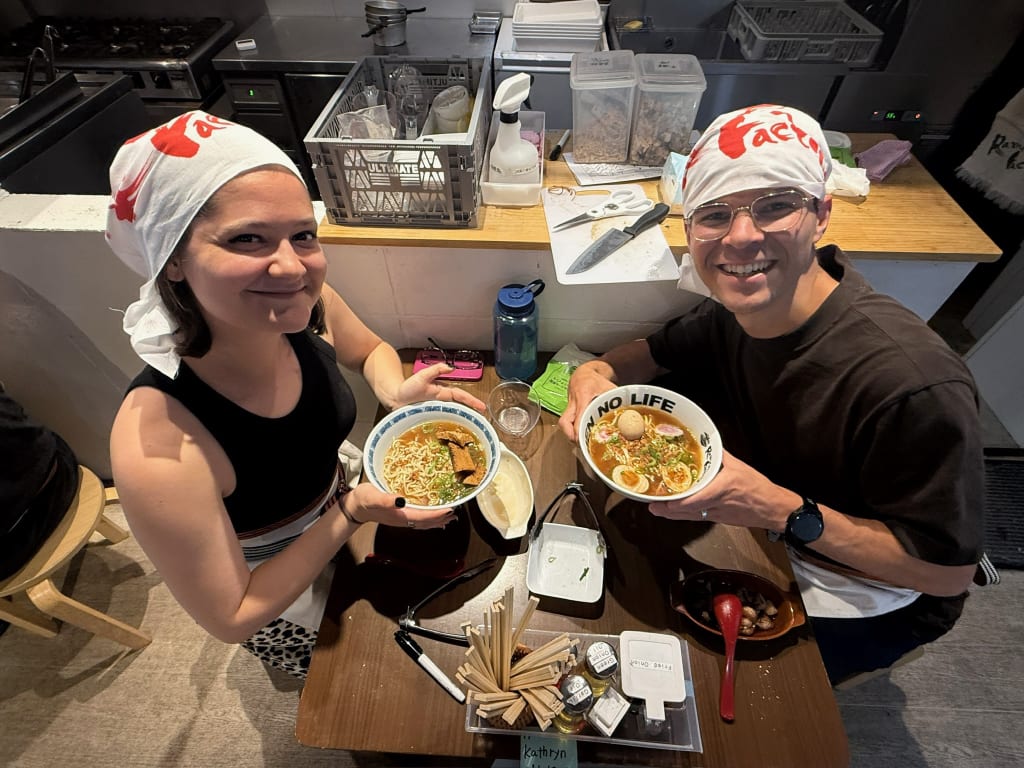
Ramen was one of those foods that I happily devoured without having the slightest clue what I was actually eating. That all changed with this cooking class at Ramen Factory. It was quick, tasty, and an excellent reprieve from the crowds I had been battling all day!
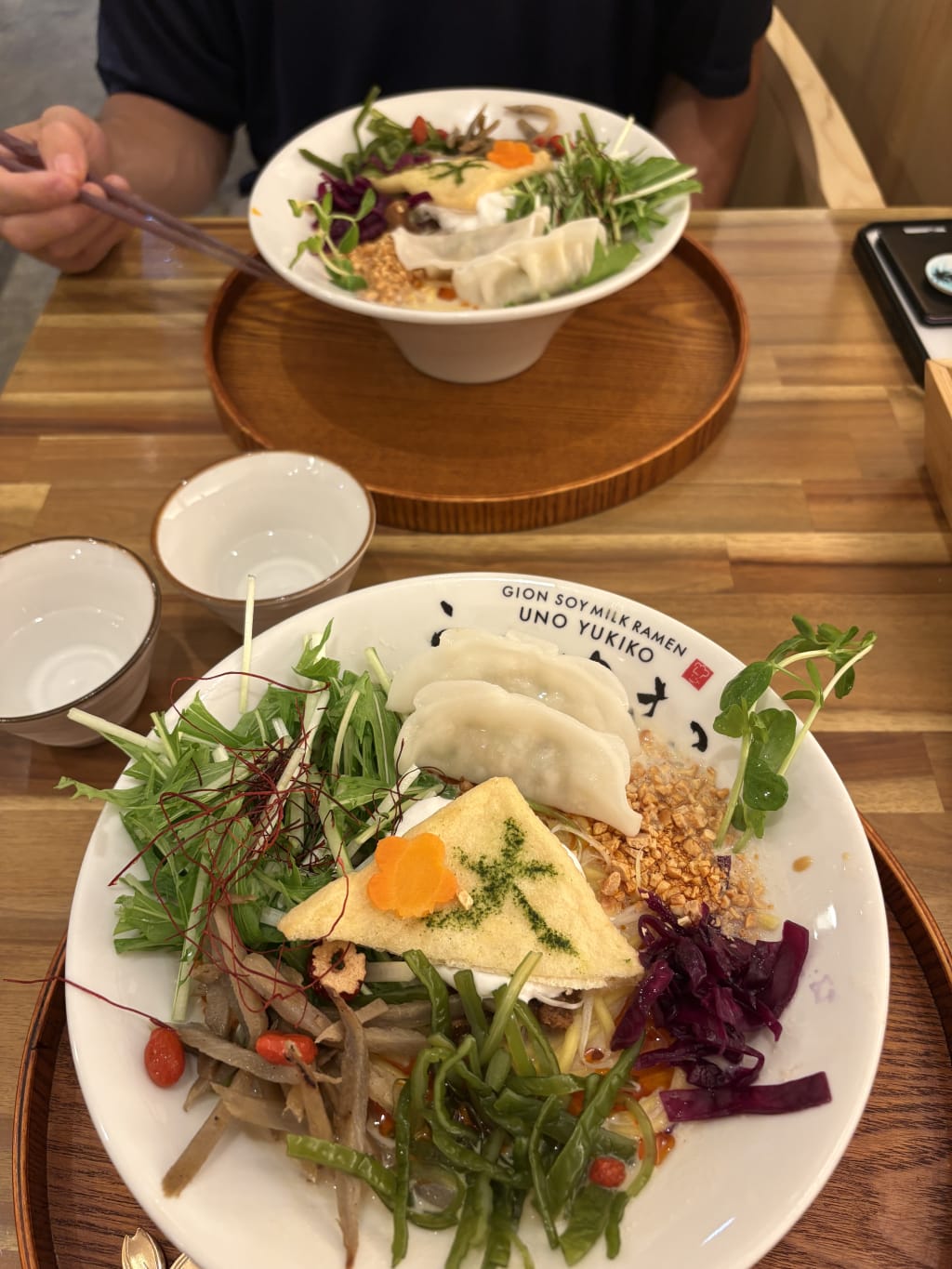
Or, Just Eat Ramen!
Even if you're not interested in learning how to cook ramen, you can still enjoy it. As a pescatarian, I had a hard time finding a ramen spot that offers a non-meat broth, but both Alex (a carnivore!) and I really enjoyed Gion Soy Milk Ramen Uno Yukiko which is vegan.
Another culinary highlight was this authentic Japanese sushi counter in the middle of a Japanese market which was in the basement of a mall. We were the only tourists! The sushi master put so much care into the presentation of each piece. I mean, look at the cuts on that cucumber!
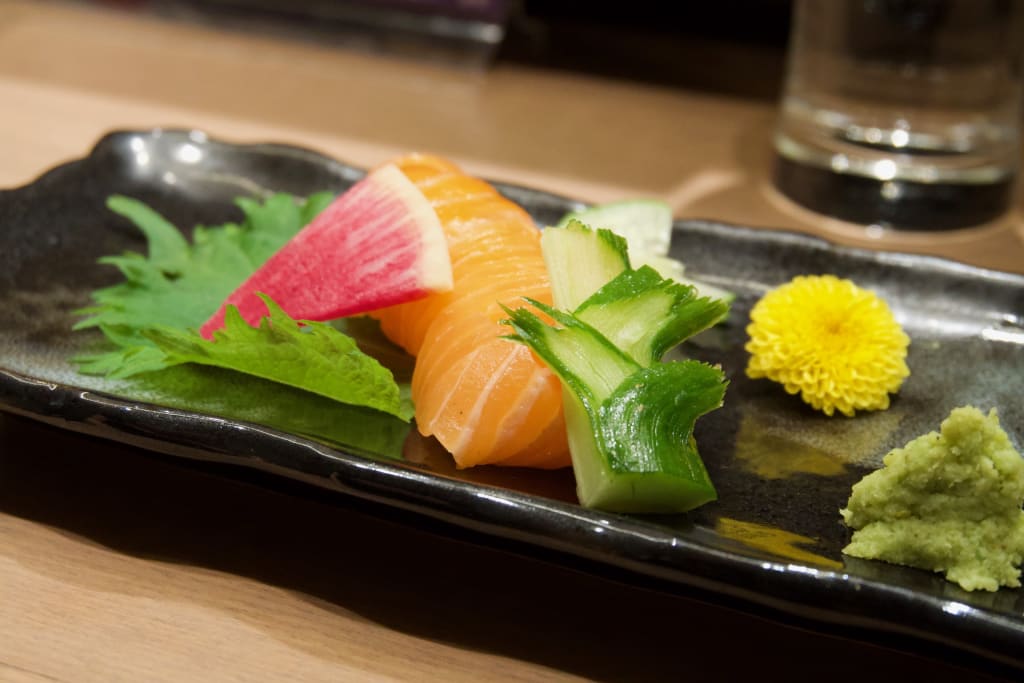
This is a great alternative to visiting Nishiki Market and it's close by.
Another favorite restaurant we tried was Shinpachi.
Speaking of Food, Eat at 7-11
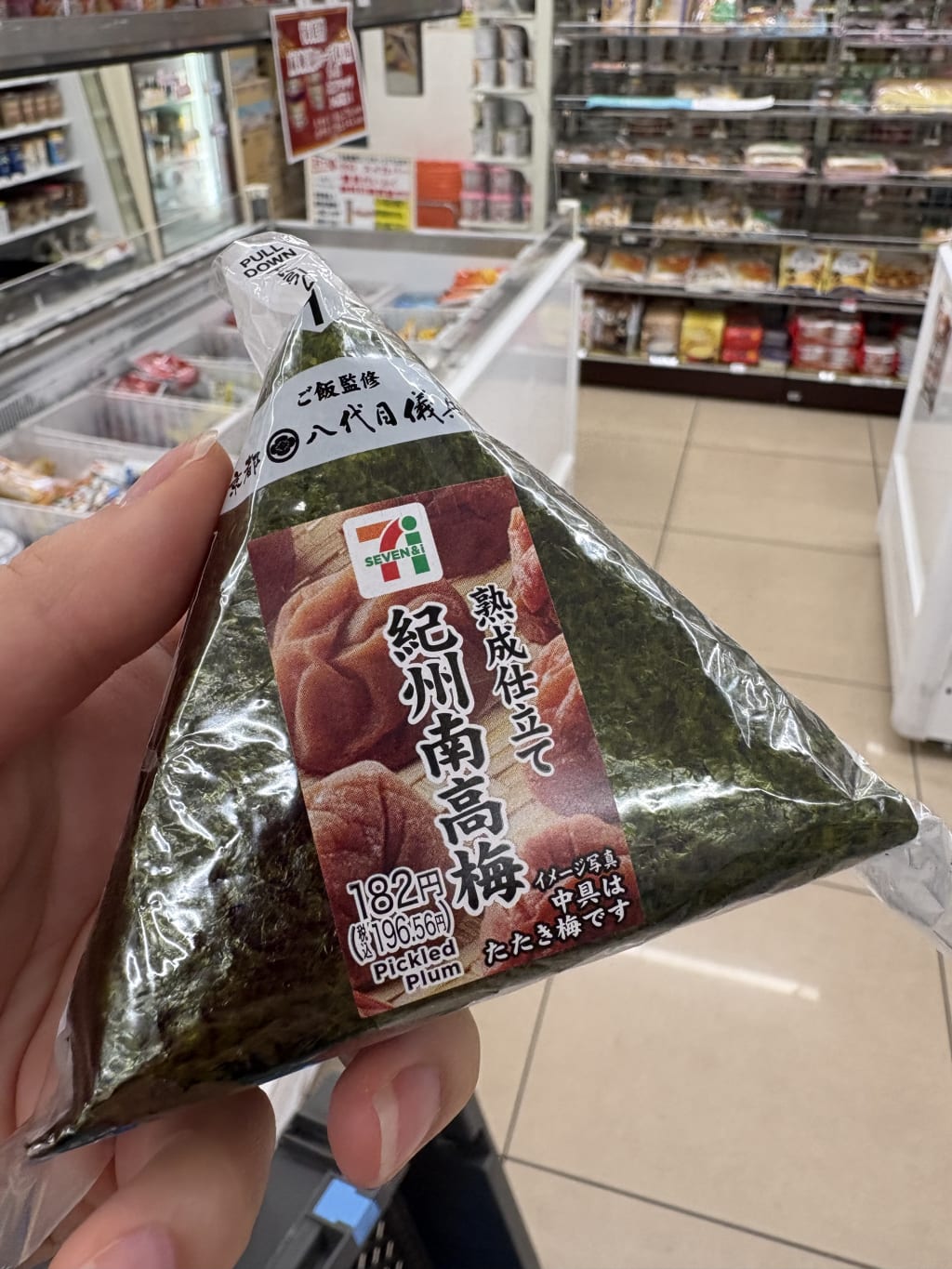
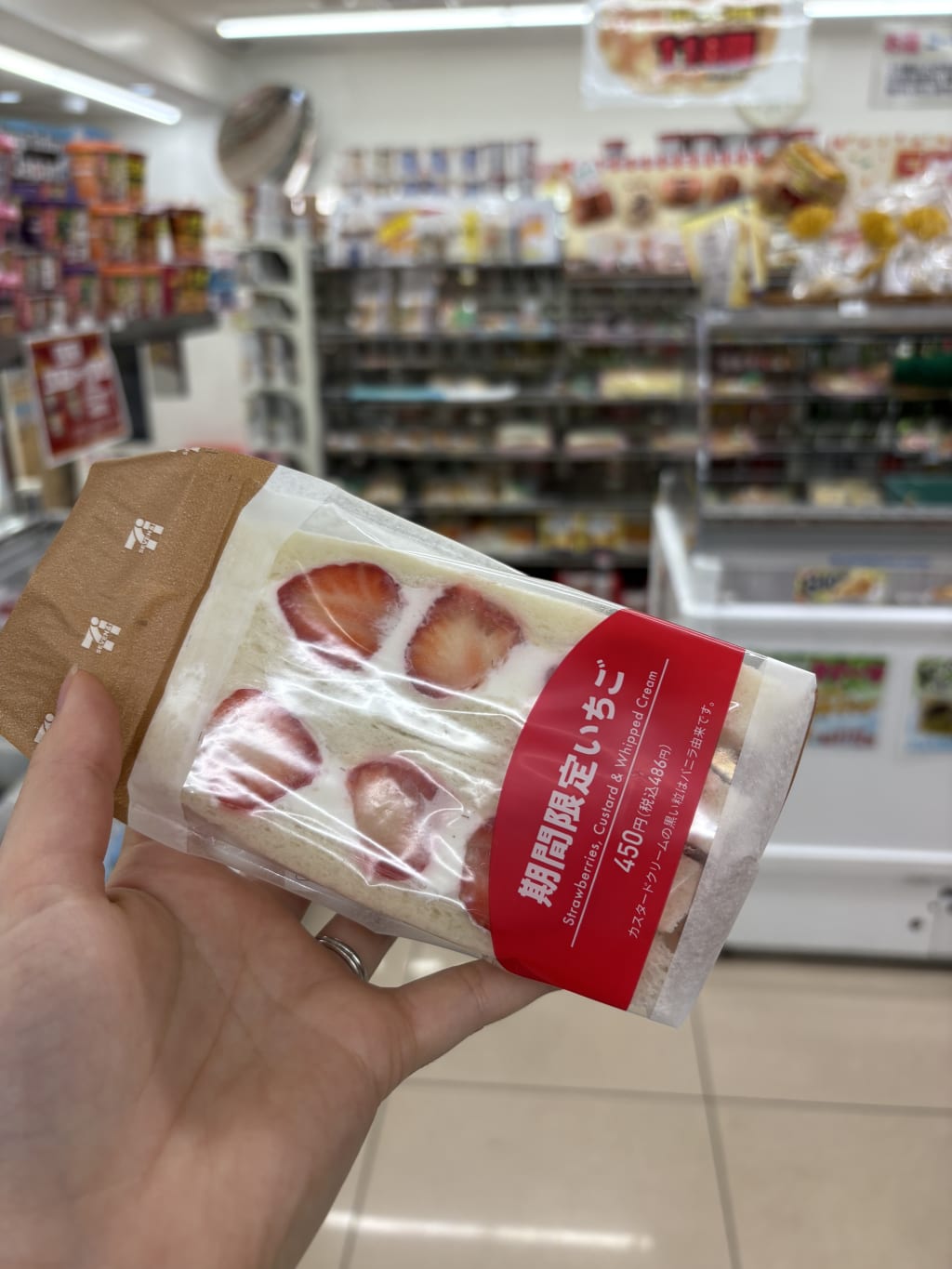
This experience applies anywhere in Japan, not just Kyoto, but trying food from a Japanese convenience store is a quintessential experience. I had low expectations, but we ended up eating at 7-11 everyday, especially for breakfast.
Some of my favorite foods were the pancakes with cream and red bean paste and the onigiri (I liked the tart pickled plum and Alex was a big fan of the bonito). The strawberry sandwich is also very popular.

Explore Arashiyama
There's a high concentration of tourist attractions in Arashiyama, making it a good way to spend an afternoon.
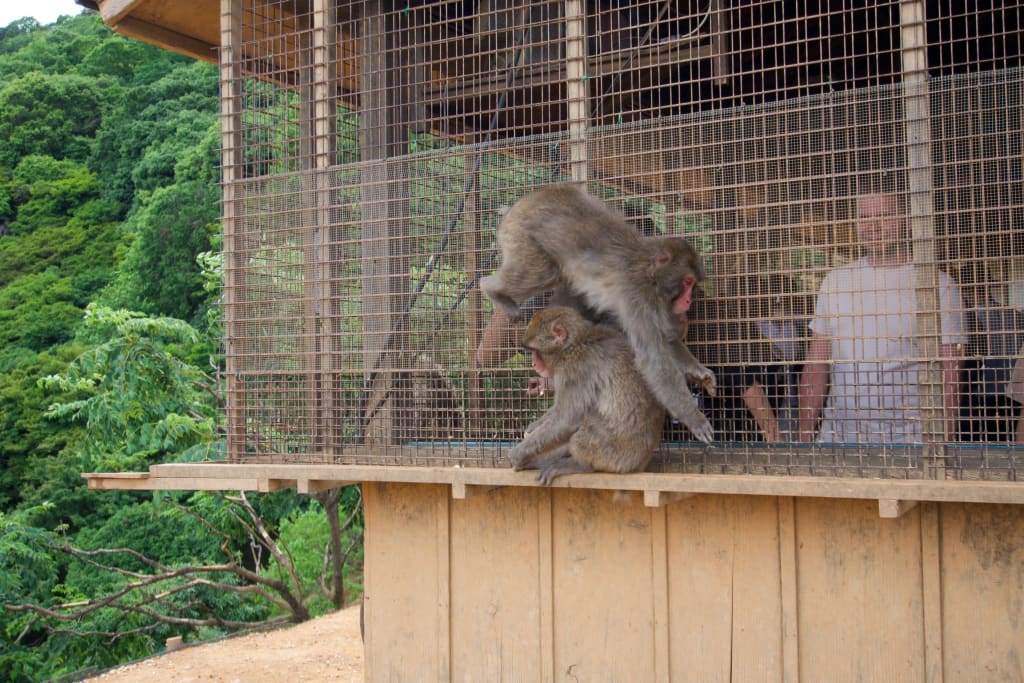
Our favorite stop in this neighborhood was the Arashiyama Monkey Park Iwatayama.
Now, I'll preface this by saying: I'm a huge animal lover and am typically hesitant to promote encounters where humans feed wildlife.
I will say, the monkeys are wild and free to move as they see fit. In fact, it's the humans that are behind bars in this experience, as tourists enter a building to hand-feed monkeys. It wasn't the best wildlife moment I've had in my life, but it was fun and did make me smile.
If you have a peanut allergy like Alex does, you'll want to avoid the feeding room, as peanuts and apples are the two food sources tourists feed the monkeys.
Aside from the monkeys, an added bonus was that this park provided the best views of the city! (We thought it was better than Kiyomizu-dera and Fushimi Inari). It will involve a fair bit of effort to get there, though. Namely, a steep uphill walk for roughly half an hour, but it's manageable for most people in my opinion!
Other stops in the neighborhood are: a series of temples. Surprise, surprise! You are in Kyoto after all.
Two temples that are largely off the tourist radar are Adashino Nenbutsuji and Otagi Nenbutsuji.
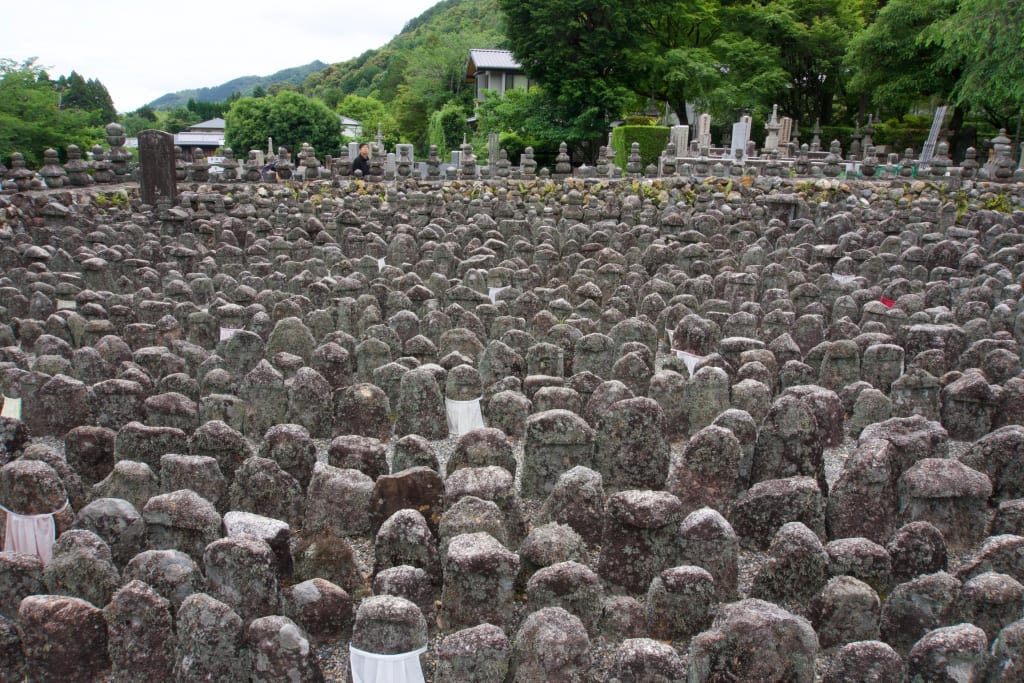
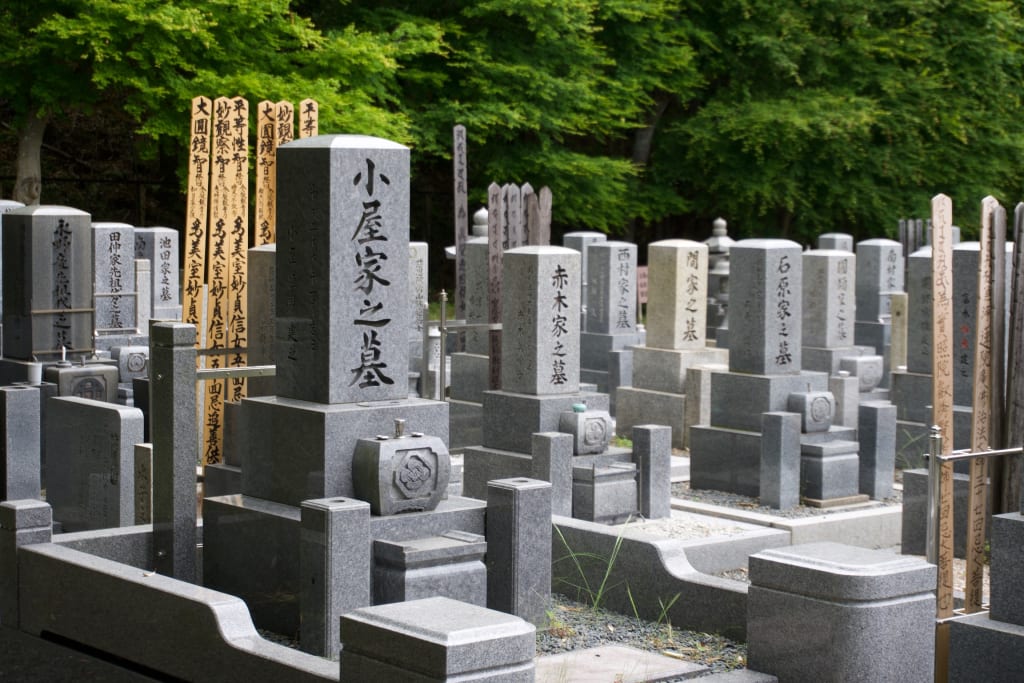
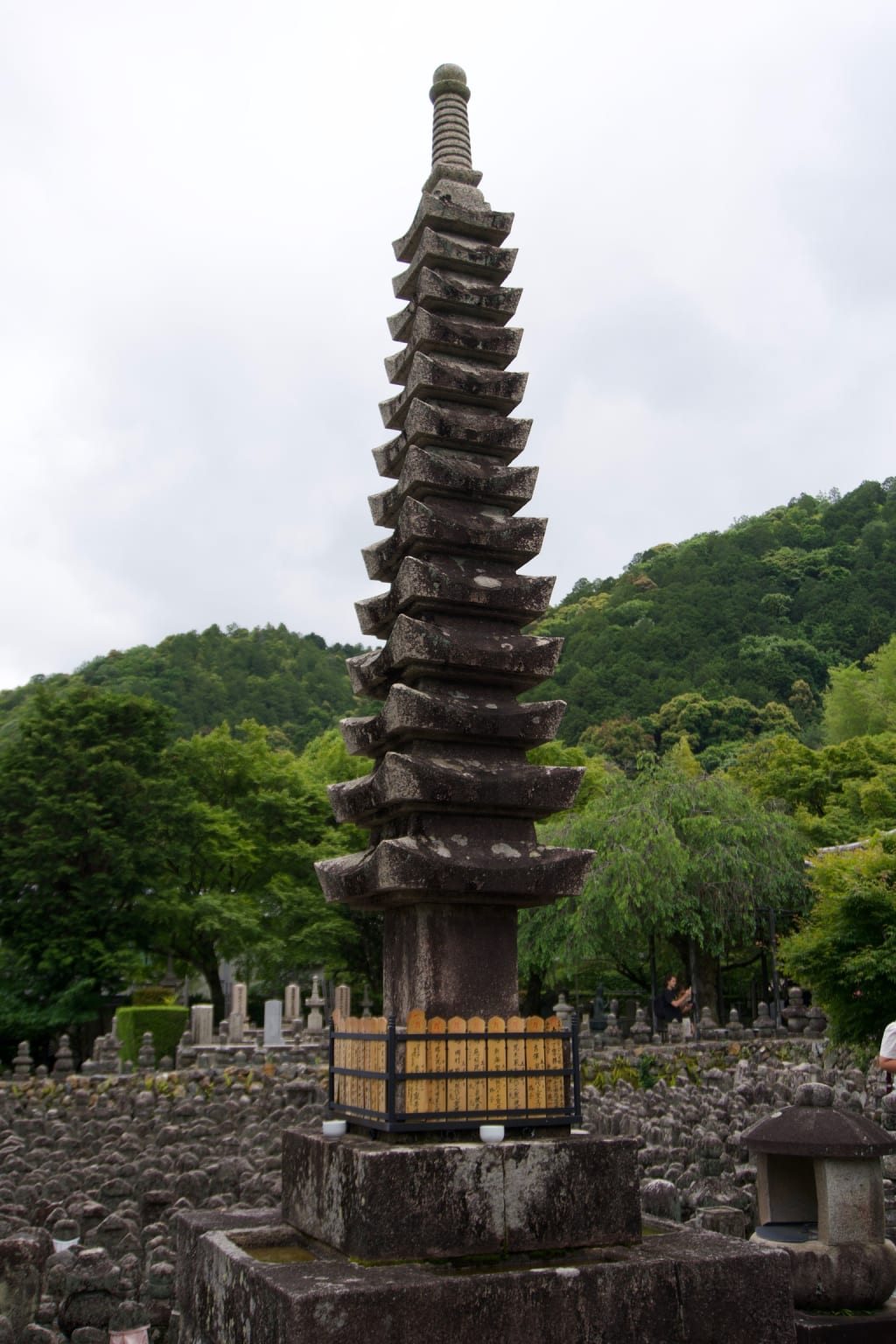
Adashino Nenbutsuji is a temple dedicated to all the people who have died alone and has a (very small) bamboo forest that is far less crowded than its famous neighbor, the Arashiyama Bamboo Forest. The bamboo is certainly pretty, but I wouldn't come to the area just to see that. I would be sure to visit other attractions in the area.
Otagi Nenbutsuji is another Buddhist temple famous for its collection of more than 1,200 whimsical Buddha statues on the property making every facial expression imaginable. It's closed on Wednesdays and Saturdays and was sadly closed when we were in the area.
A temple that has definitely made it on the tourist radar but might still be worth a visit is Tenryu-ji, which is famous for its gorgeous gardens that light up in beautiful red and golden shades during the fall.
You might notice that I didn't recommend a visit to the famous bamboo forest. You can jump to the Notable Omissions section to see why that didn't make the cut for me.
Experience a Tranquil Zen Temple in the Heart of Kyoto
I highly recommend picking an atmospheric temple with beautiful gardens and tatami rooms to explore. It's such a different vibe from other famous temples like Kiyomizu-dera which boast grand architecture and panoramic views.
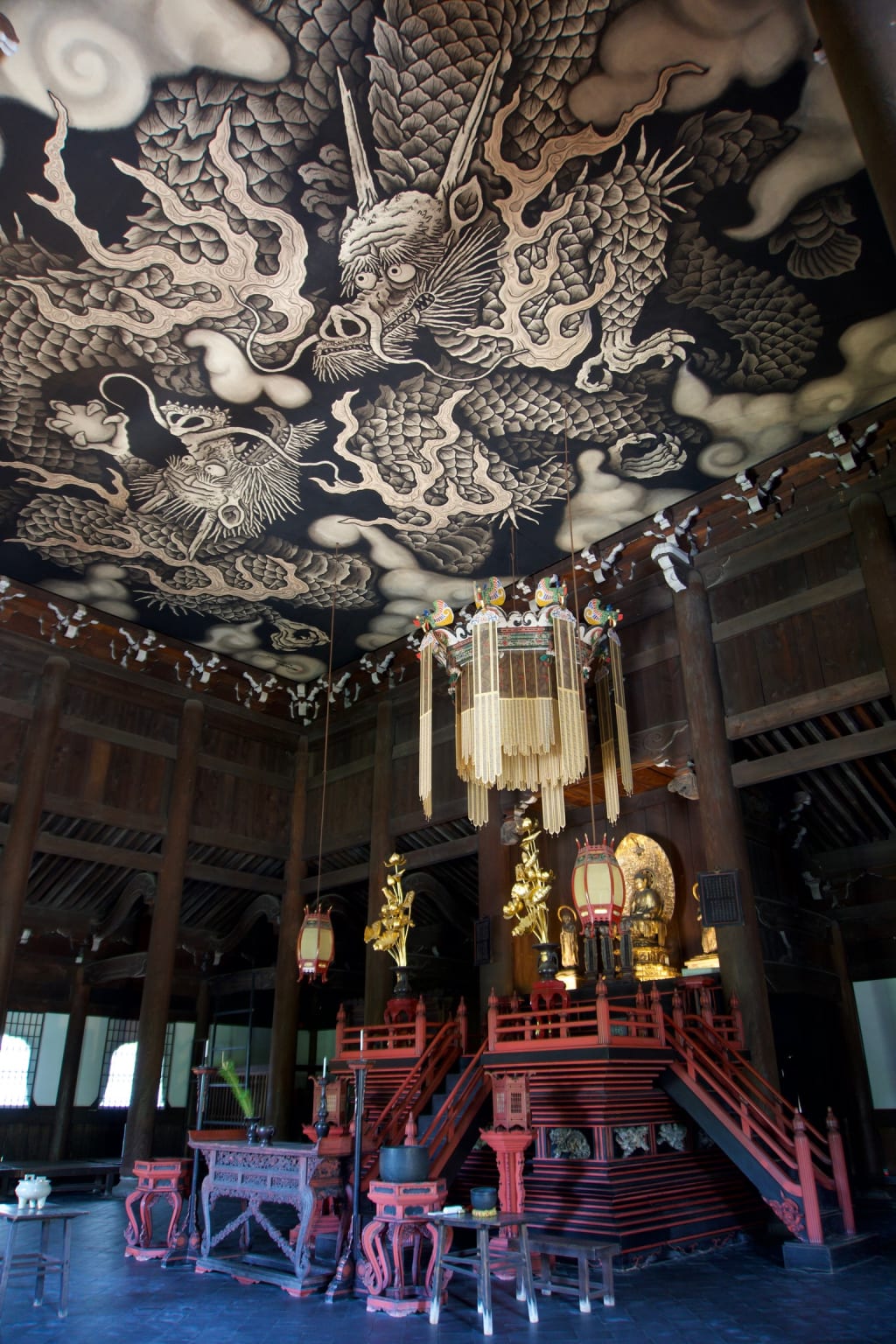
We visited Kennin-ji, Kyoto's oldest Zen temple founded in 1202, and loved it. It had a magnificent high ceiling with a mural depicting two dragons.
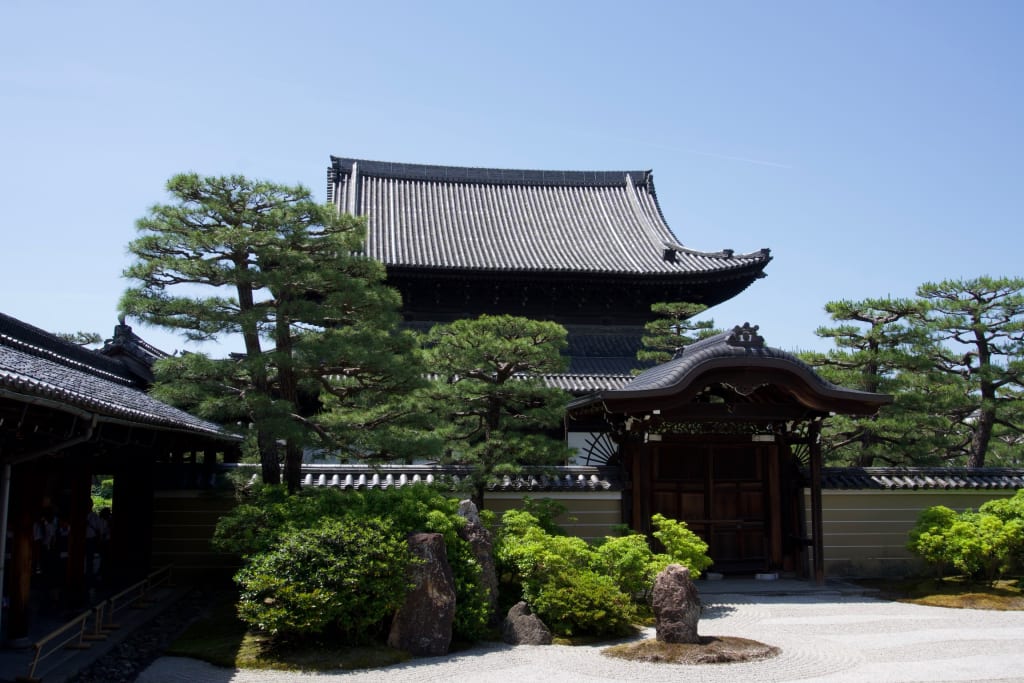
The landscaping was so meticulously maintained and I genuinely felt more relaxed after passing by the lush, green garden.
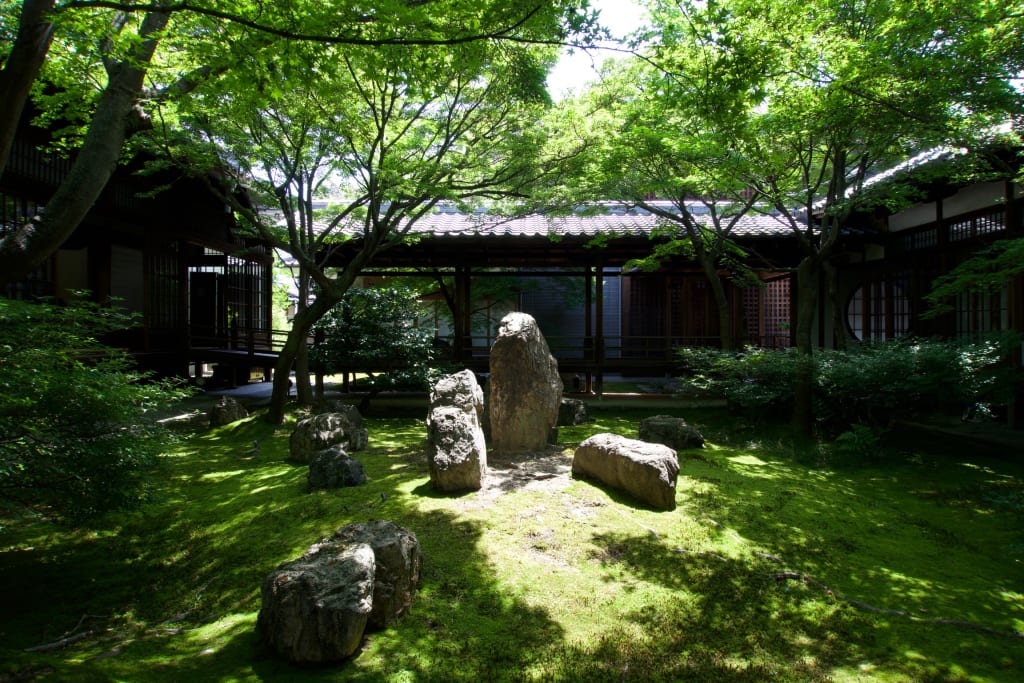
Other options with a similar vibe are Nanzen-ji and Shoren-in.
Take an Early Morning or Evening Stroll Through Higashiyama
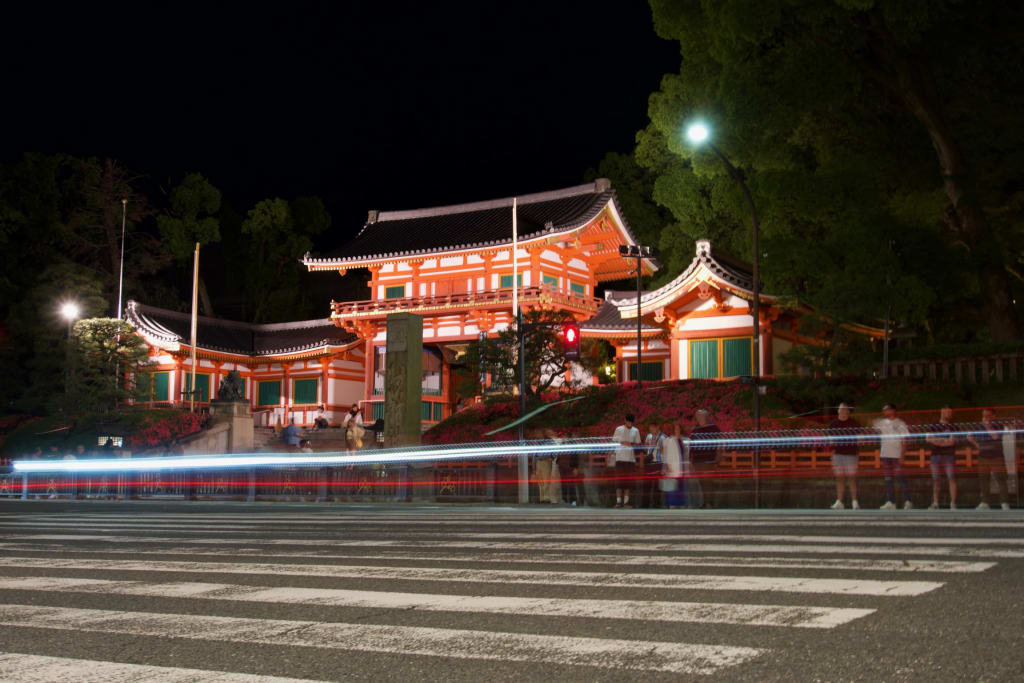
I can't emphasize it enough: go early in the morning or in the evening. It won't be a "stroll" if you go mid-day, it'll be a battle. The crowds are crazy!
That being said, it's such a gorgeous neighborhood. I recommend perusing some of the shops and checking out the Yasaka Pagoda and Yasaka Shrine.
WITH MORE TIME
Nijo Castle
Nijo Castle was the Kyoto residence for the shogun, the leader of the samurai (warrior) class and the most powerful person in Japan from the 12th century until 1868. A visit to the castle offers an inside glimpse into the lives of these rulers.
Nijo Castle is famous for its "nightingale floors" that would chirp when walked on. The shogun didn't want to be surprised by ninja assassins and in this way the noisy floors acted as a security system, so to speak.
Unless you're particularly interested in Japanese history, I'd prioritize Kyoto's temples, gardens, and cultural experiences over Nijo Castle.
Explore TeamLab's Latest Installation: BioVortex
We absolutely fell in love with Tokyo's TeamLab Borderless and almost rearranged our entire Kyoto schedule to visit their new installation that opened in October 2025 called BioVortex. It has great reviews and is at the top of the list to do if we return.
Pontocho Alley
Pontocho Alley is a narrow, lantern lit lane lined with restaurants and traditional wooden buildings. While there's no major attraction to see, it's said to be quite atmospheric and is worth strolling through in the evening before or after dinner if you're in the area.
Explore Other Temples & Shrines
I could spend hours listing off temples in Kyoto that are beautiful and significant enough to warrant a visit, but I'd caution you to avoid falling into the trap that many tourists fall into: temple overload.
However, if you do have a few extra days or you're a spiritual traveler that wants to add another temple, consider adding Sanjusangendo to your list.
Philosopher's Path
The Philosopher's Path is a peaceful trail that follows a canal connecting several important temples in Kyoto. During cherry blossom season, it's said to be spectacular, but otherwise it's probably not worth prioritizing.
NOTABLE OMISSIONS
You might notice a theme in this section: the crowds detract from these attractions so much that they simply aren't enjoyable anymore.
Nishiki Market
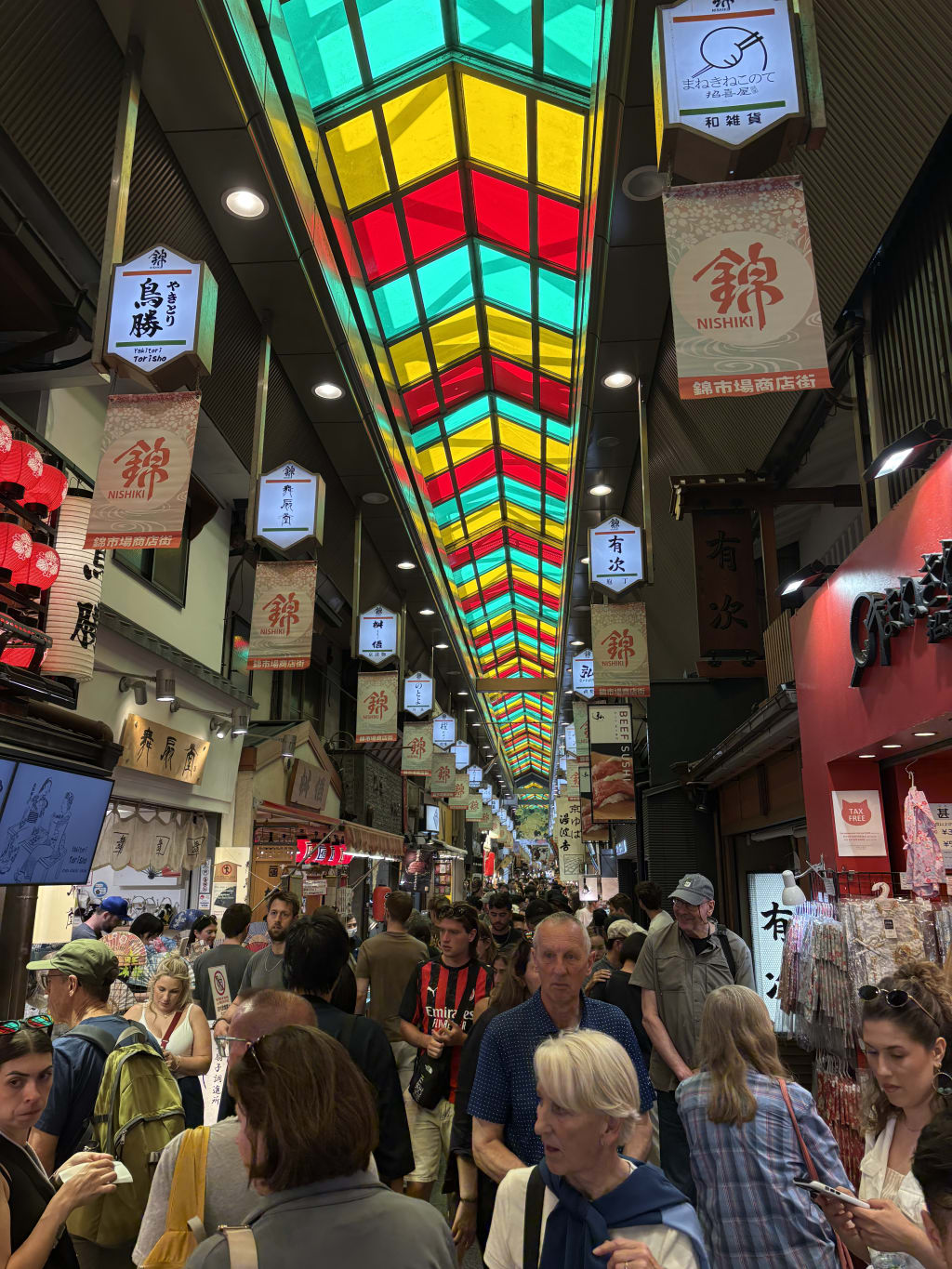
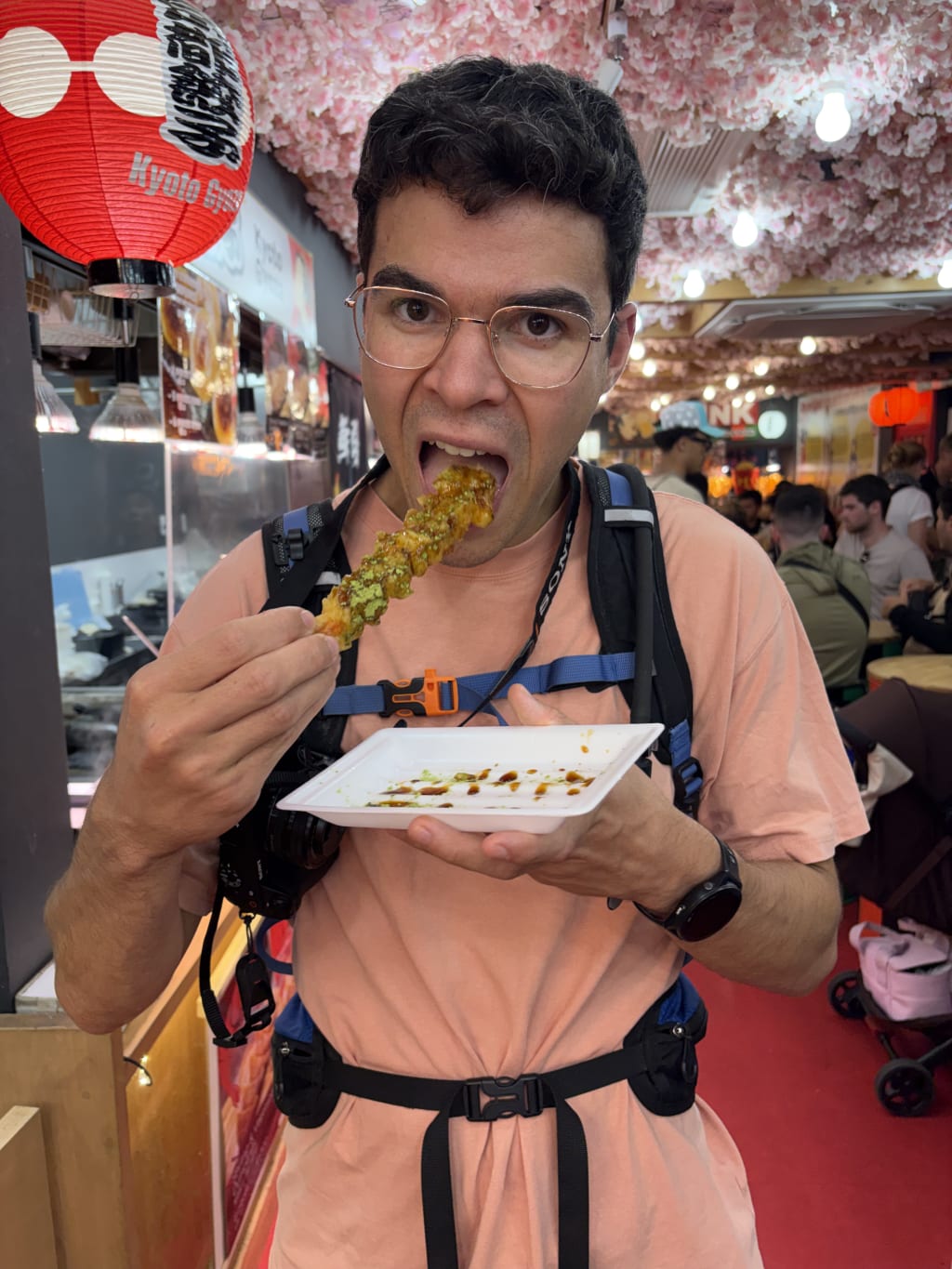
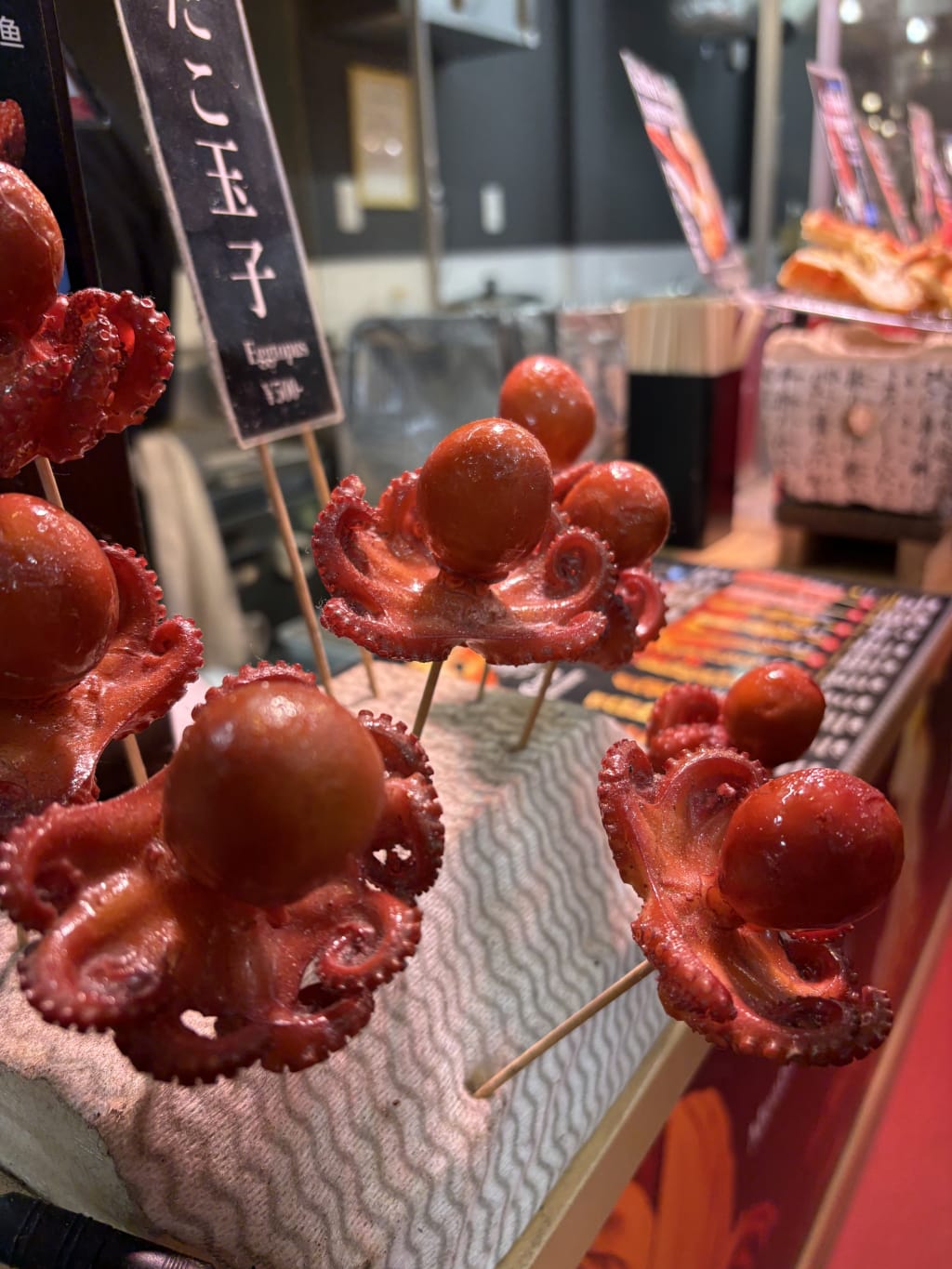
If you're an adventurous eater, Nishiki Market might be the spot for you. Try one of their specialties: baby octopus stuffed with quail eggs. Not only am I not quite that adventurous, but octopus are my favorite animal, so that was going to be a hard pass from me. Alex and I were excited to check out Nishiki Market but ultimately left disappointed. The crowds were so dense that we spent most of our time shuffling shoulder to shoulder with other tourists.
Arashiyama Bamboo Forest
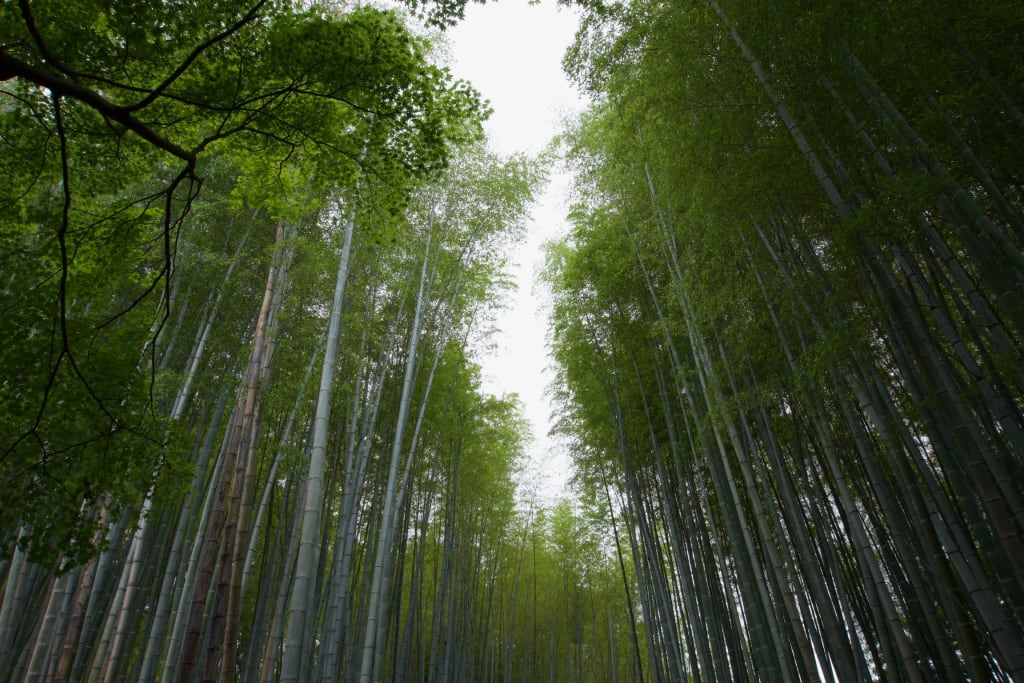
As you might guess, my primary issue with Arashiyama Bamboo Forest is the crowds. That and the fact that it took me exactly 3 minutes to get from beginning to end (with a stop for photos) make it not worth the effort in my book. I found this experience to be quite overrated.
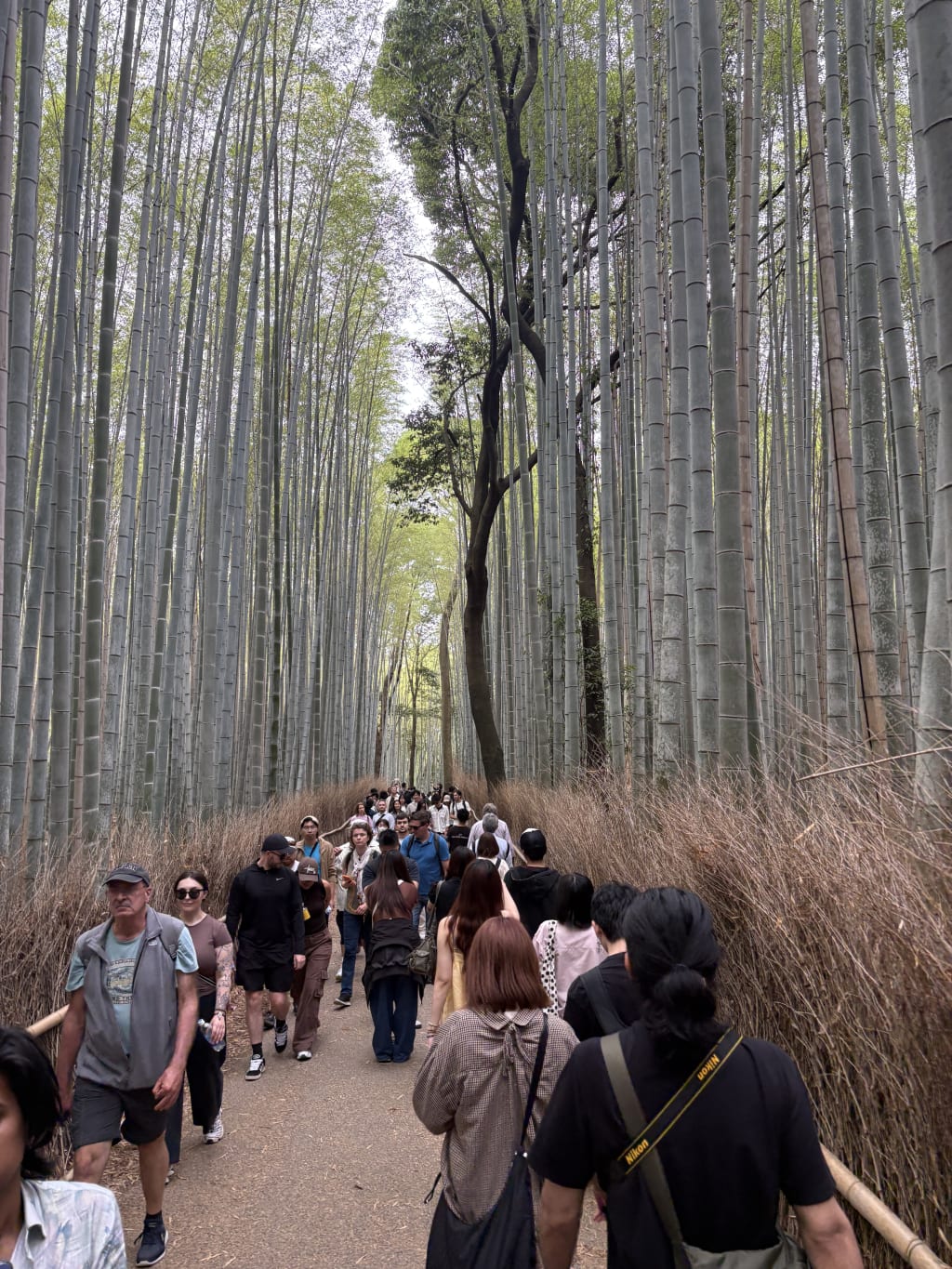
You might be asking "if I get up at sunrise to avoid the crowds, is the experience worth it?" My answer is still no. If I'm getting up that early I want it to be for something that's worth it, but the experience is too short-lived to justify the early wakeup call in my mind.
Golden Pavilion (Kinkaku-ji)
Kinkaku-ji is one of Kyoto's most iconic landmarks and is undeniably beautiful. That being said, the experience doesn't last long, is largely about snapping a few photos, and is overrun by crowds. We ultimately decided to skip it in favor of experiences that felt more immersive.
HOW LONG DO YOU NEED?
I would recommend spending 2-3 full days in Kyoto to see all the highlights.
Kyoto is also a great base for many day trips nearby, such as Osaka, Nara, and Hiroshima. If you'd like to visit those locations, add a day for each.
OUR ITINERARY
Here is an outline of what I would recommend for your three days in Kyoto. Kyoto is a large city, and you'll save a lot of time by grouping nearby sights together rather than backpeddling across town.
Day 1
6 AM: Fushimi Inari
Explore Arashiyama
Arashiyama Monkey Park Iwatayama, Adashino Nenbutsuji, Otagi Nenbutsuji, and Tenryu-ji.
Day 2
6 AM if you're committed, 5 PM+ otherwise: Kiyomizu-dera
Plan to spend 1.5 hours - 2.5 hours here.
Wander through Higashiyama
9 or 10 AM: Tea Ceremony
Kennin-ji
Optional pick your own adventure
Nishiki Market, Pontocho Alley, Nijo Castle, etc.
Day 3
12 PM: Cooking class (for lunch)
Use this time to relax
Revisit a favorite neighborhood, or explore one of the optional attractions from Day 2.
5 PM: Gion Night Walk
I saved Gion for last since the tour doesn't end until 9 PM. Early mornings call for early bedtimes, so I frontloaded the early wake up calls for Fushimi Inari and Kiyomizu-dera.
Gion is located in the same area as Kiyomizu-dera and Kennin-ji, but it might be too long of a day to add this tour to Day 2.
WHERE TO STAY
We stayed at Hotel Gion Ichirin and loved it. It was in a fantastic location right on the border between Gion and Higashiyama and had a beautiful lobby to relax in.
HOW TO GET AROUND
Kyoto can be quite walkable in certain areas (such as Gion and Higashiyama).
Other places (like Fushimi Inari and Arashiyama) are quite remote. I would recommend hailing a taxi on the Go app or riding the local buses. You can find the bus routes on Google Maps and you can purchase a Suica card in Apple Wallet to pay the bus fare.
WAS IT WORTH IT?
Generally, I am a person who believes that responsible travel means seeking out destinations that aren't already oversaturated with tourists, so I wasn't sure how I was going to end up feeling about Kyoto.
The crowds did end up bothering me (as you can probably tell), but that being said, I believe a visit to Japan would feel incomplete without a stop in Kyoto and there are many cool sights to see. I'm so glad we chose to spend 3 days there.
FAQS
Are temples and shrines free? Are they open around the clock?
Many shrines, including Fushimi Inari, are free and open 24 hours a day. Temples typically charge a small admission fee (usually 300-1,000 yen) and have set opening hours.
Is it common to see a geisha?
In some neighborhoods (such as Gion) at certain times of the day (such as evening when they are heading to appointments), there's a decent chance of spotting a geisha. That being said, it is not guaranteed. Many visitors spend several days in Kyoto without seeing one.
It's important to be respectful and avoid crowding the geisha or taking photos of their faces. Responsible behavior helps preserve this important cultural tradition.


