Visiting Ephesus in Turkey: Complete Guide + Tips to Beat the Crowds
Imagine walking through the ruins of New York City two thousand years from now.
The skyscrapers have collapsed. The subway tunnels have long since filled in. Archaeologists are still debating what many of the buildings were used for, while tourists wander among the ruins trying to piece together what life was like in the 21st century.
That’s where my mind went after visiting the Roman ruins of Ephesus in Turkey, exploring an ancient city that was once home to more than 200,000 people. This ancient city offers a glimpse into what everyday life looked like nearly two thousand years ago and reveals how the legacy of the Roman Empire continues to shape our world today. Exploring Ephesus changed the way I think about time, making me wonder what legacy our own civilization will have thousands of years into the future.
A visit to Ephesus is a must-do if you’re in Turkey. Below, I’ll break down everything you need to know to plan a visit to this marvel yourself.
WHAT IS EPHESUS?
Ephesus is an incredibly well-preserved Roman city in Turkey. Many people are surprised to find Roman ruins so far away from Italy, but at its peak, the Roman Empire stretched over 3,000 miles across three continents, from northern England to southern Egypt, from modern-day Portugal in the west to Iraq in the east.
Ephesus was once the capital of the Asian province, which was incorporated into the Roman Empire in 133 BCE. It was the second largest city in the empire, with only Rome being larger.
ROMAN RUINS AROUND THE WORLD
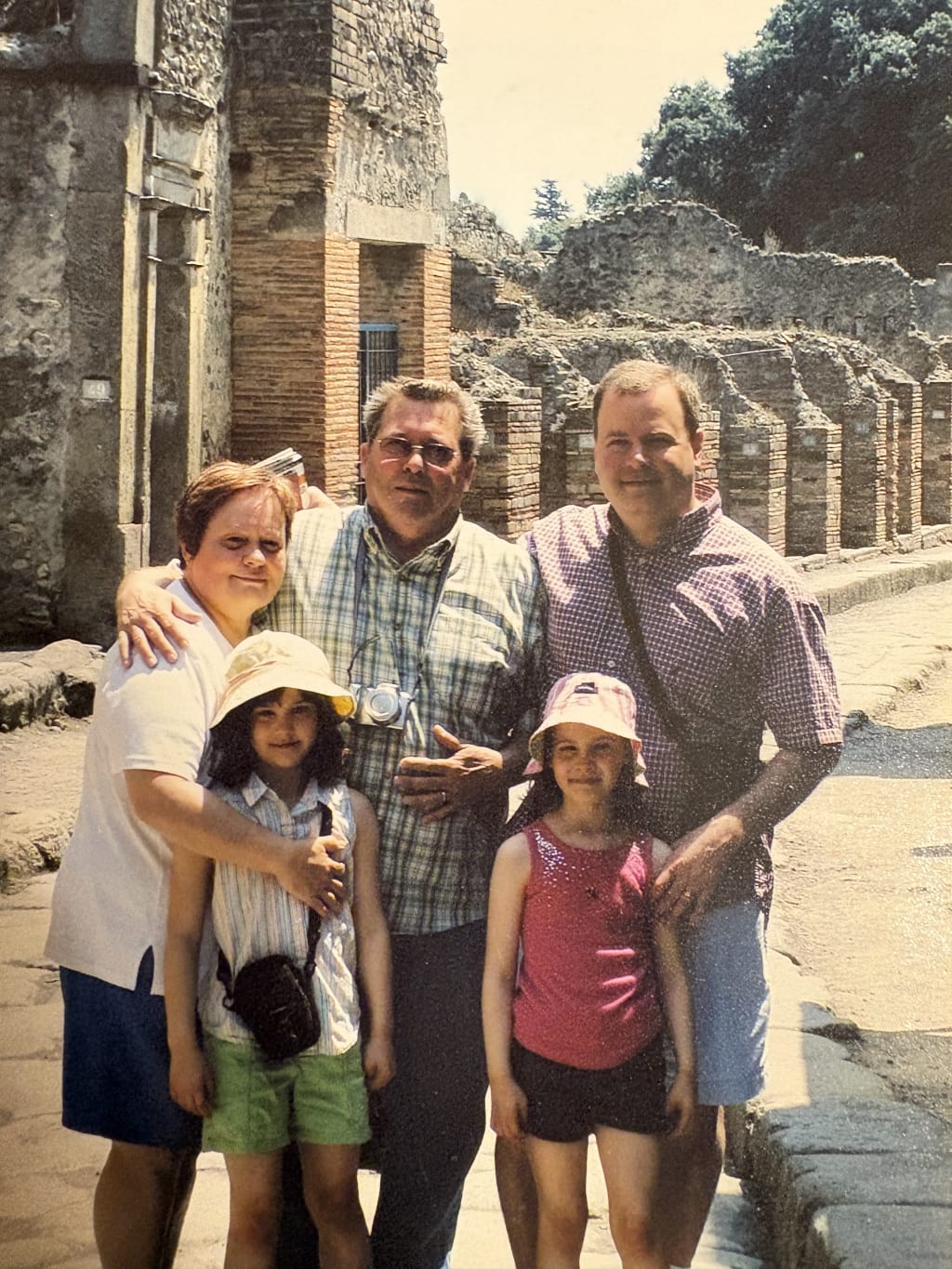
Of course, many of the world's most spectacular Roman ruins are found in Italy near the capital of the empire. Rome's Colosseum is the most famous of them all and one of the New Seven Wonders of the World. Pompeii is also quite popular to visit. It is the most well-known city that was buried under volcanic ash during the eruption of Mount Vesuvius in 79 AD. As a child, I visited both Pompeii and nearby Herculaneum with my family, which was also destroyed by the same eruption. While Pompeii is larger and more famous, Herculaneum is better preserved.
Outside of Italy, Ephesus is the largest and most well preserved Roman city. Two other fantastic Roman sites worth a visit in Turkey are Aphrodisias and Hierapolis.
Jerash in Jordan is also remarkably well preserved and is famous for its massive colonnaded avenues. We had planned a trip to visit Jerash, but sadly decided to cancel due to tensions in the Middle East. Another Roman city on my bucket list is Leptis Magna in Libya, but Libya is currently too unstable for tourism.
A BRIEF HISTORY OF EPHESUS
The area around Ephesus has been continuously inhabited since at least 6000 BCE. Before it was a Roman city, it was Greek, until a general under Alexander the Great named Lysimachos rebuilt the city and named it Ephesus in the 3rd century BCE.
When the Romans annexed Asia Minor in 133 BCE, Ephesus became the capital of the Roman province of Asia and flourished into one of the largest and wealthiest cities in the Mediterranean. The magnificent temples, theaters, baths, and libraries that still stand in ruins today reflect how prosperous it once was.
The city’s harbor made it a center of trade and the nearby Temple of Artemis, one of the Old Seven Wonders of the World, drew pagan pilgrims from across the Roman Empire, further increasing the wealth of the city.
Between the 3rd and 7th centuries CE, its harbor gradually filled with sediment, making it unusable. Since the trade that came in through the harbor was a chief source of wealth, this posed a problem for the city. Earthquakes and Arab raids further weakened its prospects. By the 11th century CE, most of the population had relocated and the ancient city was eventually abandoned.
OUR EXPERIENCE AT EPHESUS
We hatched a plan in the car. As soon as the gates opened, we would bee-line it for the Library of Celsus, snap some photos while there was no one around, and return to the gates to start our tour from the beginning. The Library of Celsus was the hallmark attraction at Ephesus and would soon be crawling with giant hordes of cruise ship passengers. If we moved quickly enough, we'd have the Library of Celsus all to ourselves.
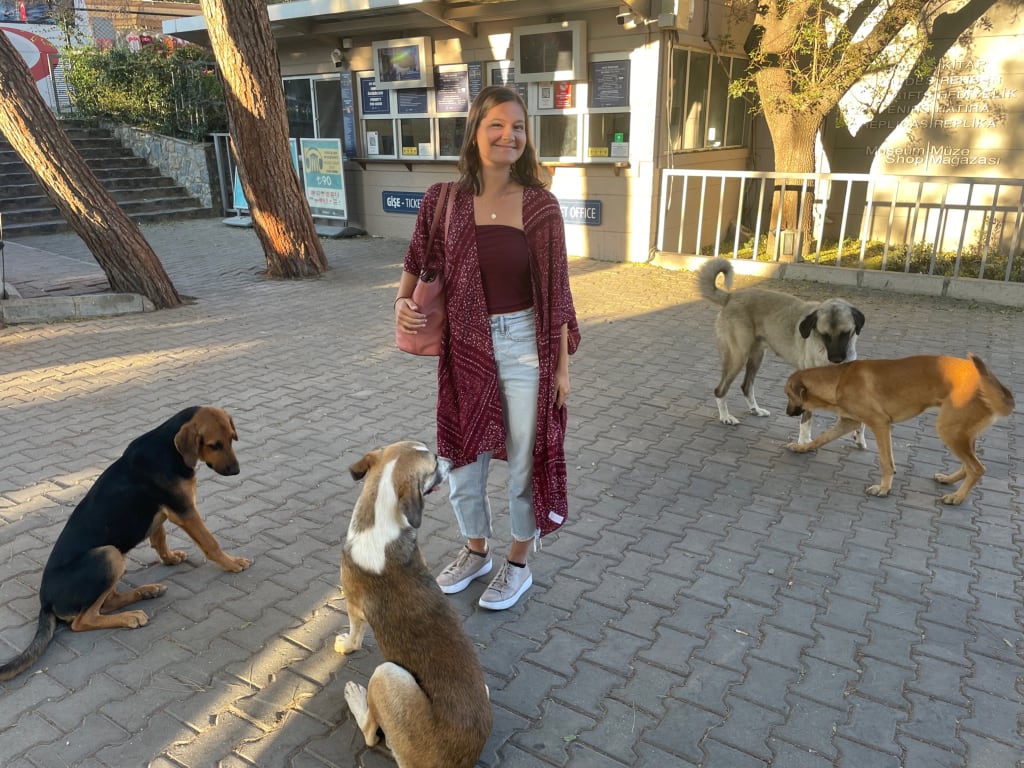
We got to the gates at 7:45am. It was just us and a few wild dogs, but sure enough, by the time the gates opened 15 minutes later, there was a small crowd gathered.
We moved as quickly we could through the slippery marble streets.
We made only one brief stop on the way at the Temple of Hadrian, one of Ephesus's most elegant structures.
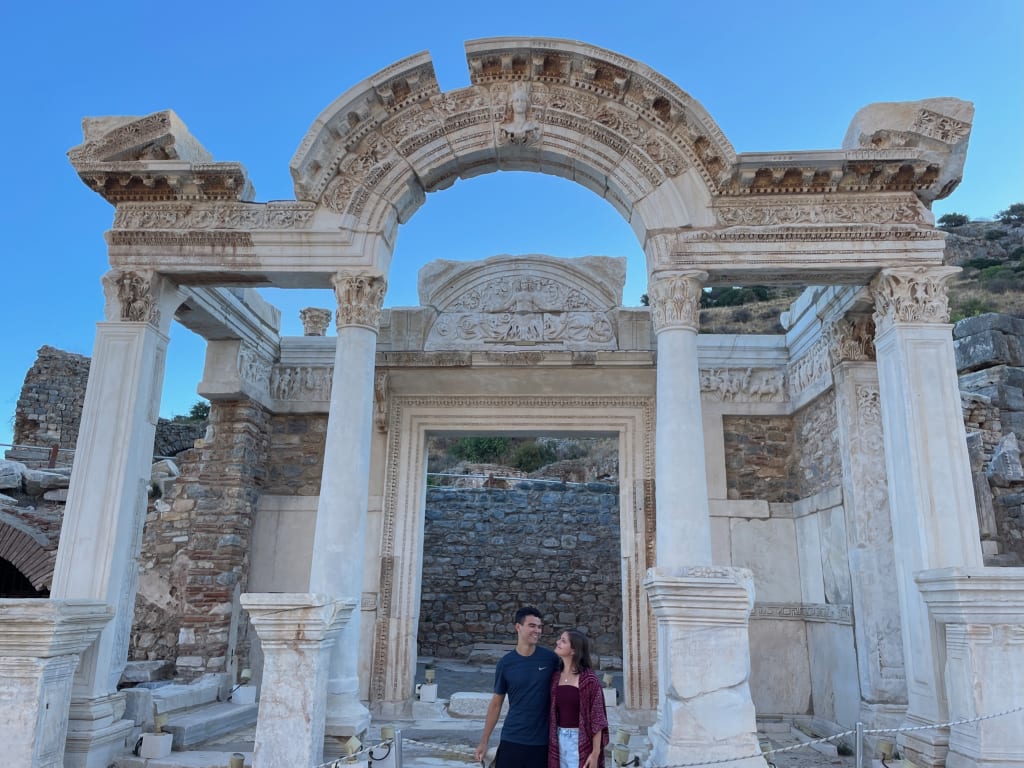
But, despite how impressive it was, there was no time to linger. We snapped a few photos and continued on towards the library. Moments later, we arrived. Our plan had worked perfectly. No one else was there. Mission accomplished!
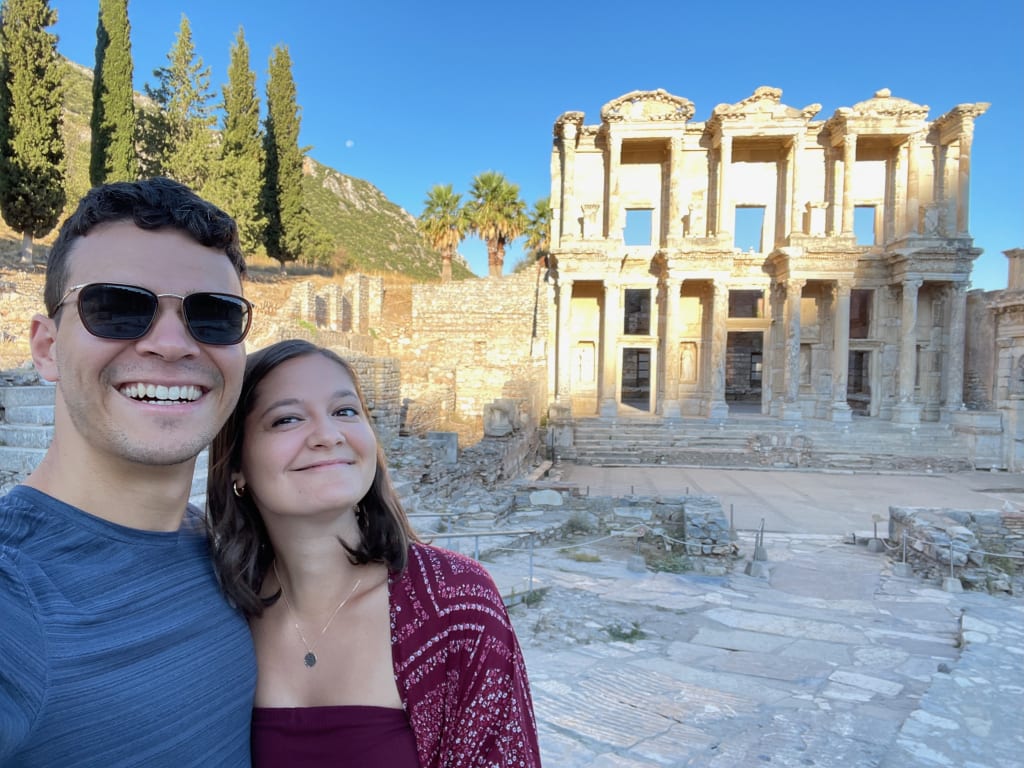
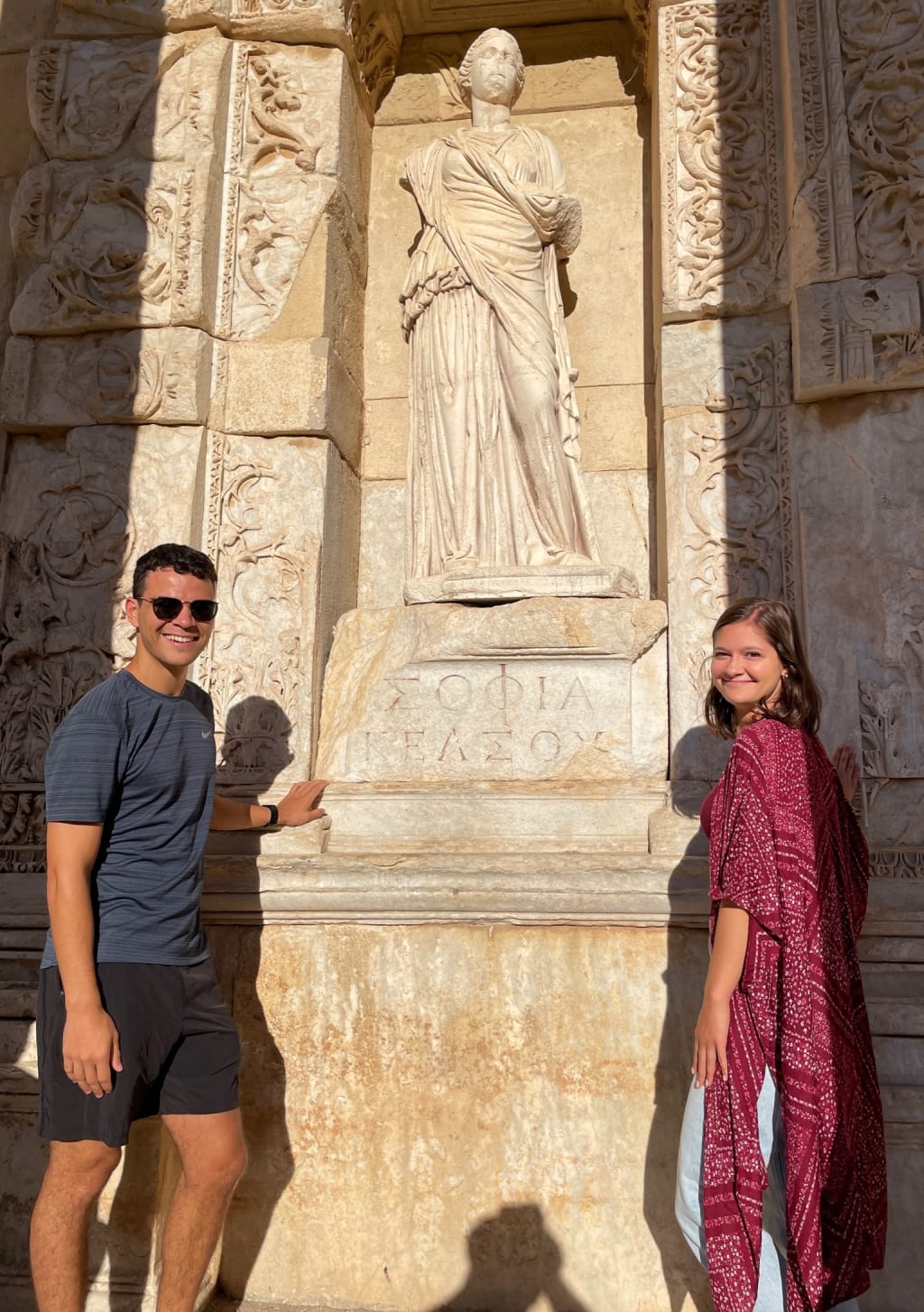
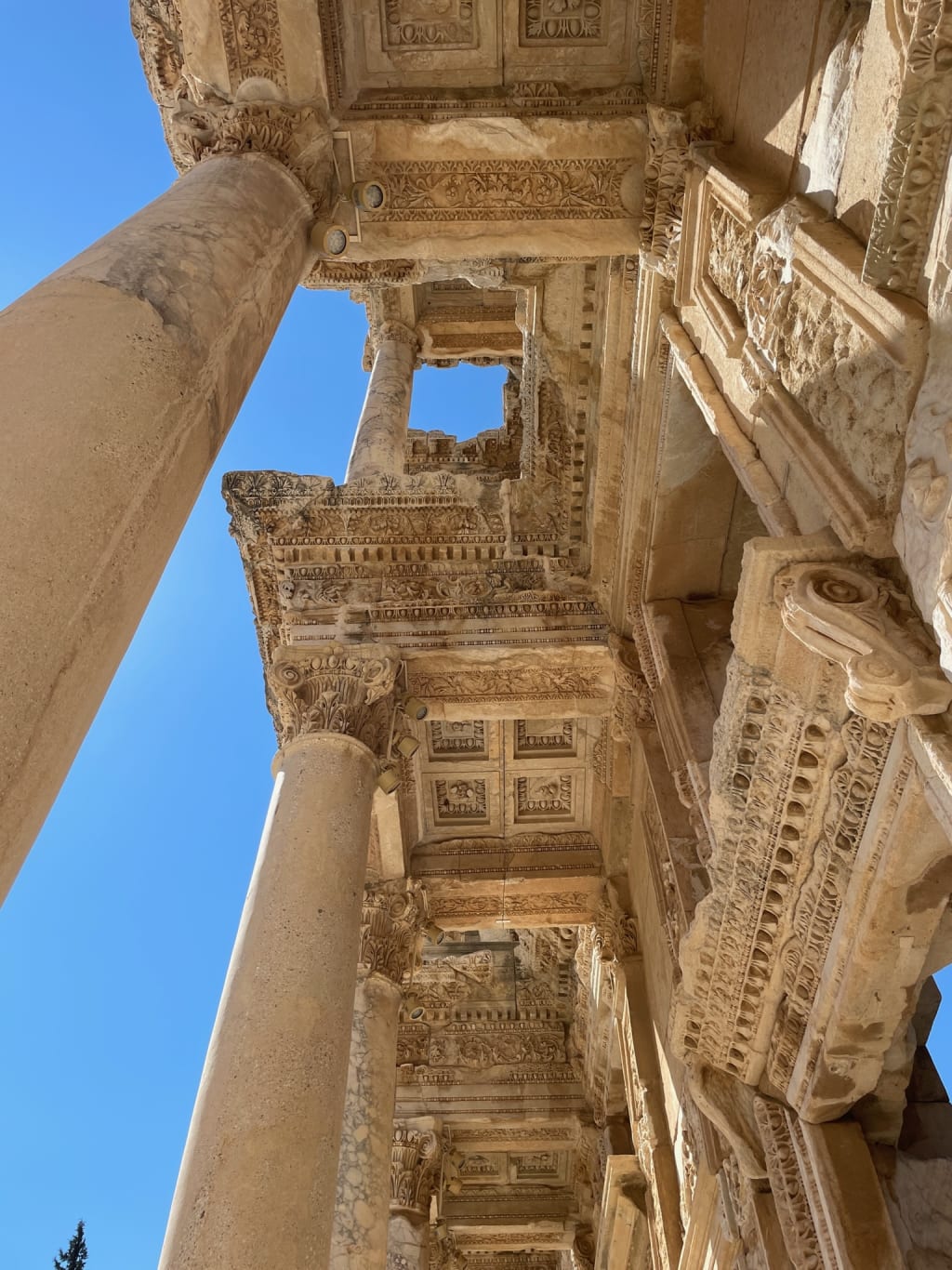
The Library of Celsus was magnificent. Tall marble columns adorned the front of the façade. Lifesized statues stood nestled in alcoves. Even the ceilings were decorated with elaborate carvings.
If you look closely, you can tell that some of the original marble in the columns is missing. I learned that the library had to be entirely reconstructed by archeologists and not all of the original materials had been recovered. Substitutions were made with modern materials to fill in the gaps so that tourists could see what the ancient library once looked like.
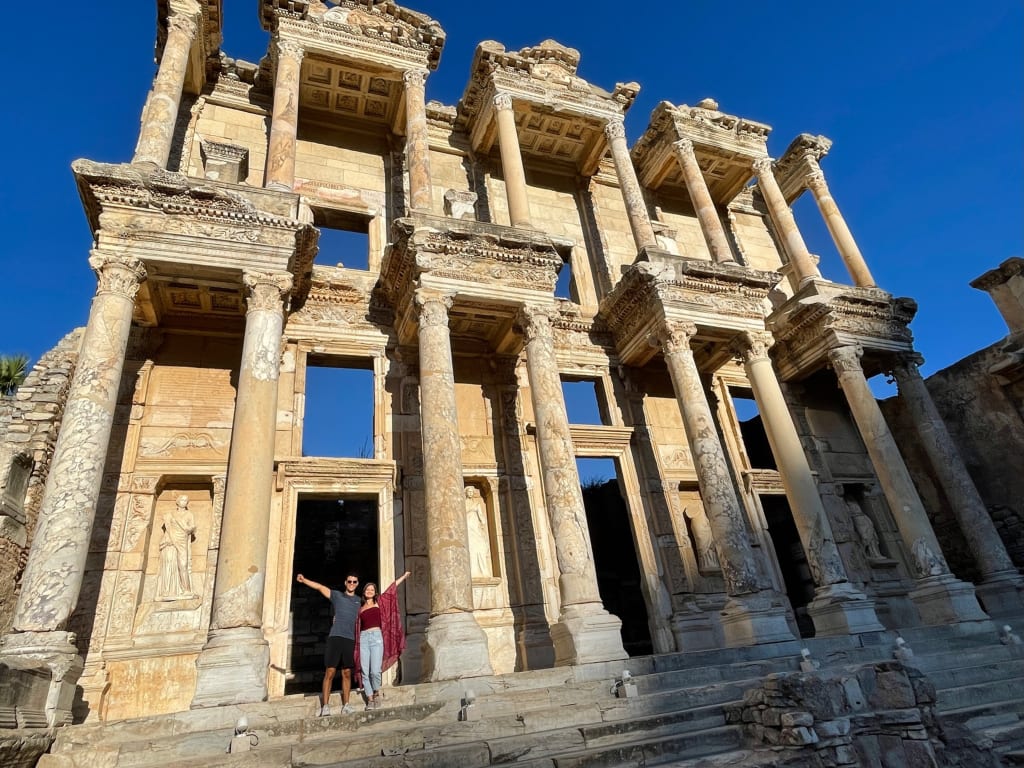
Behind its magnificent façade stood one of the greatest libraries in the world, the third largest at the time with over 12,000 scrolls. Many respectable Roman gentlemen would allegedly spend hours reading at the library. But were they really so studious? Historians discovered a secret underground passage that connected the library to the brothel across the street.
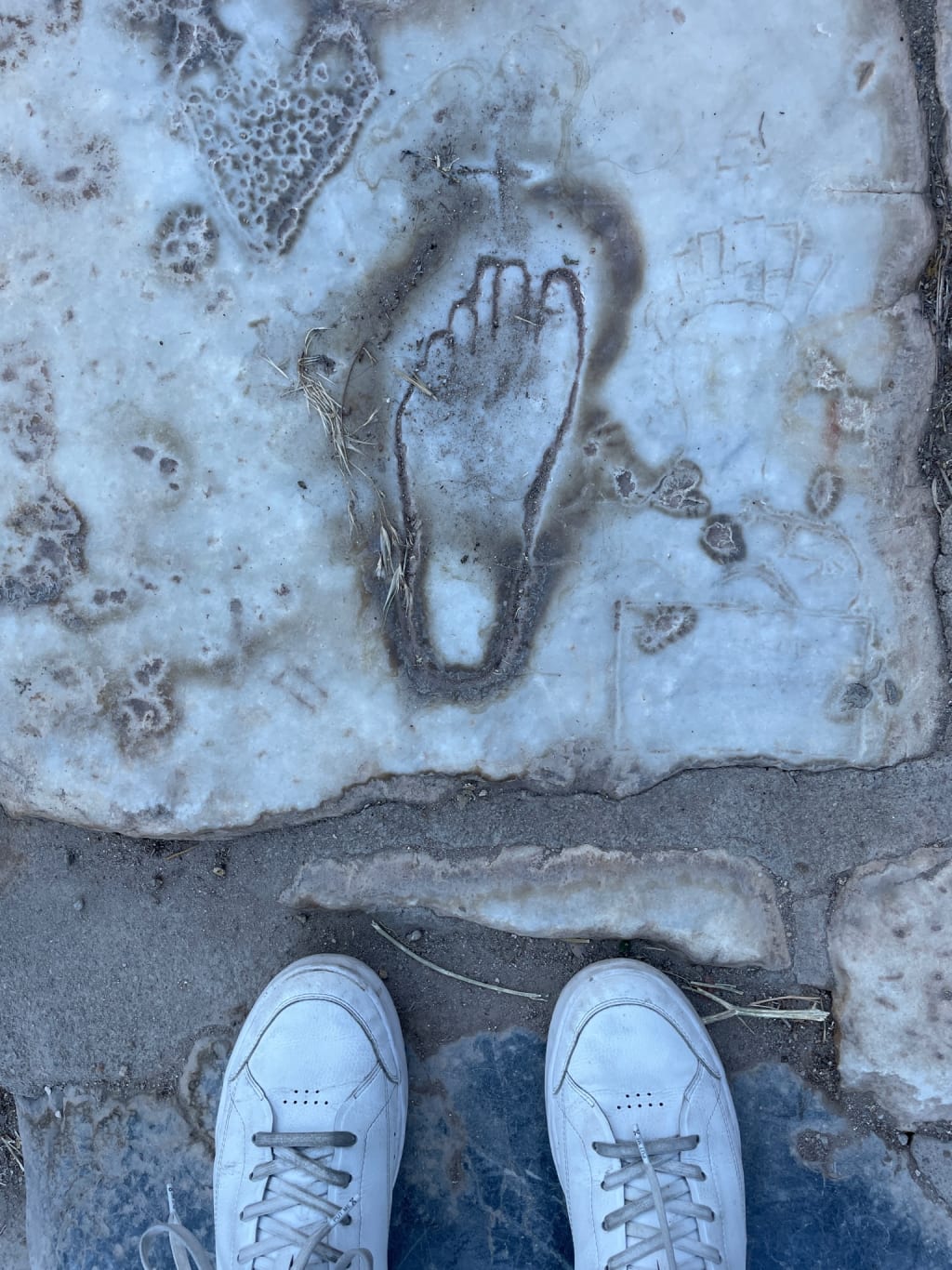
Speaking of the brothel, this carving in the ground is considered by many to be the world’s first advertisement. On the far left, you’ll notice a heart. Just outside the frame was a circle which was meant to represent a coin. A foot pointed in the direction of the brothel, while a crude drawing of a woman’s head on the right of the foot suggested what awaited them inside. Together, the symbols essentially advertised “Bring money. Beautiful women this way."
After snapping a few photos of the Library, we retraced our steps and started the tour over, this time taking the opportunity to learn about the city's fascinating history.
One of the first stops was the Odeon. It looks like a theater, but it was mostly used for city council or Senate meetings.
The next stop was a temple, allegedly, but all that remained was two small columns and a stone beam that connected them.
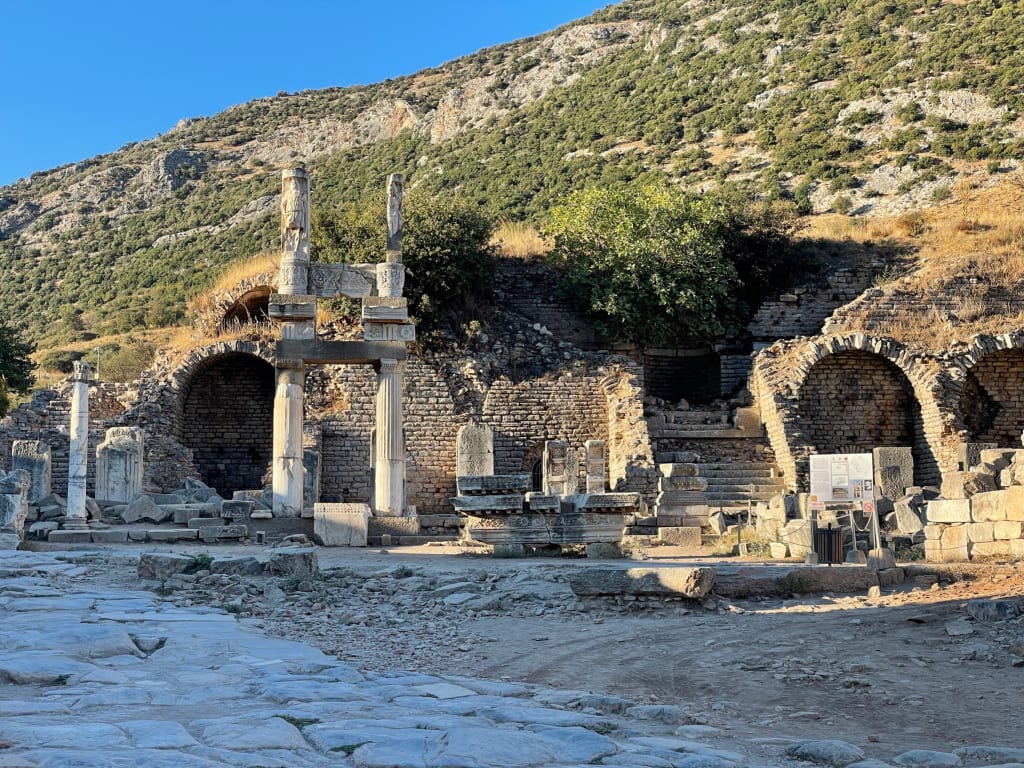
This was the Temple of Domitian, one of the first temples dedicated to a human, in this case an emperor. After Domitian’s assassination in 96 CE, the people intentionally tore down his temple in an effort to erase him from the historical record.
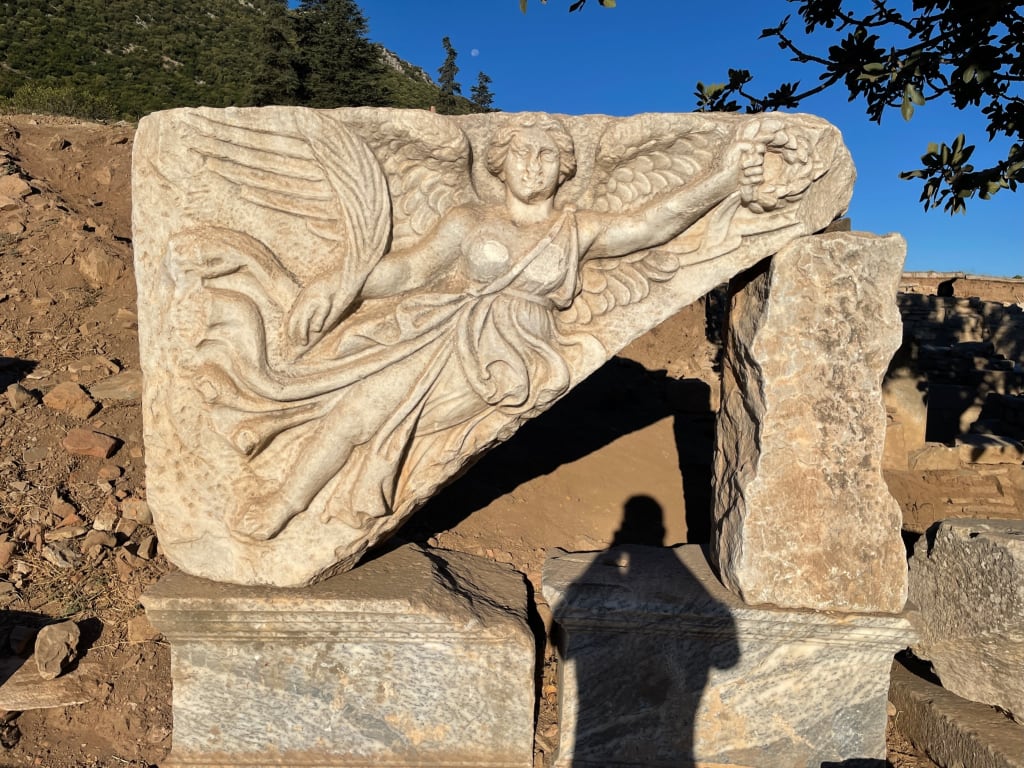
Near the temple was this stunning relief of Nike, the Greek Goddess of Victory. Even after the city became part of the Roman Empire, a lot of Greek culture remained.
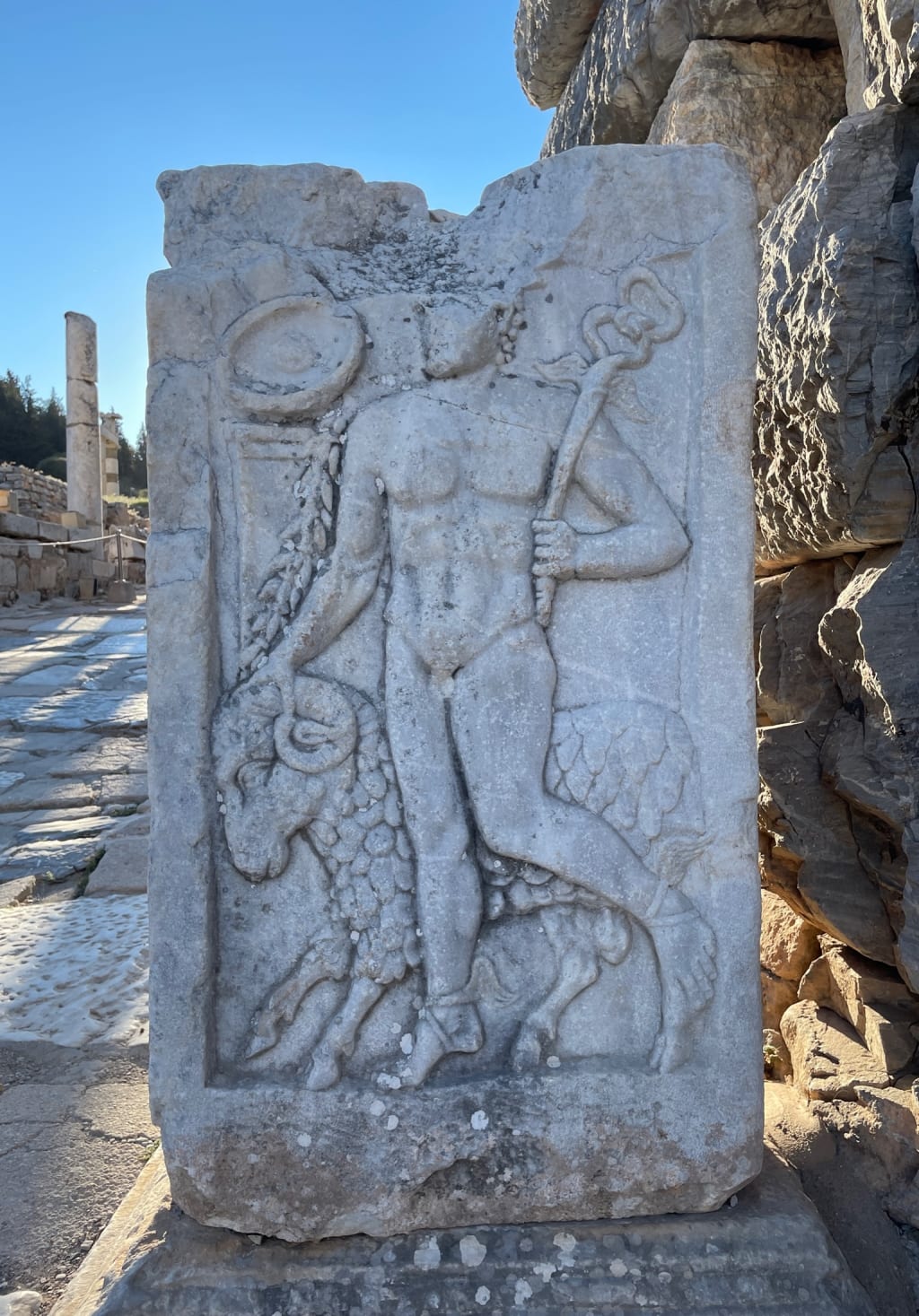
We then proceeded on to the Gate of Hercules, which marked the entrance to the wealthiest part of the city. Historians speculate that only members of the elite class were allowed to pass through these gates.
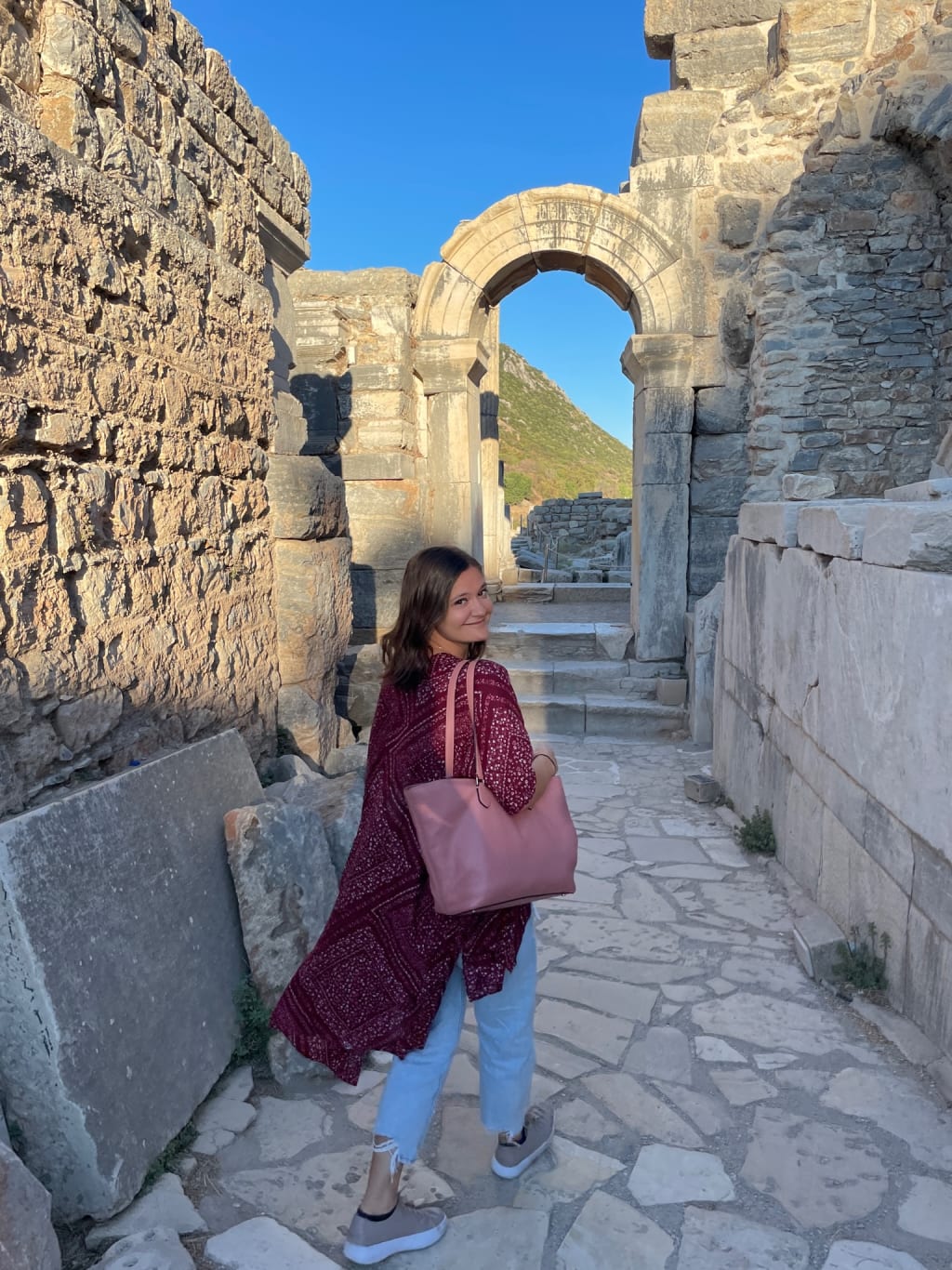
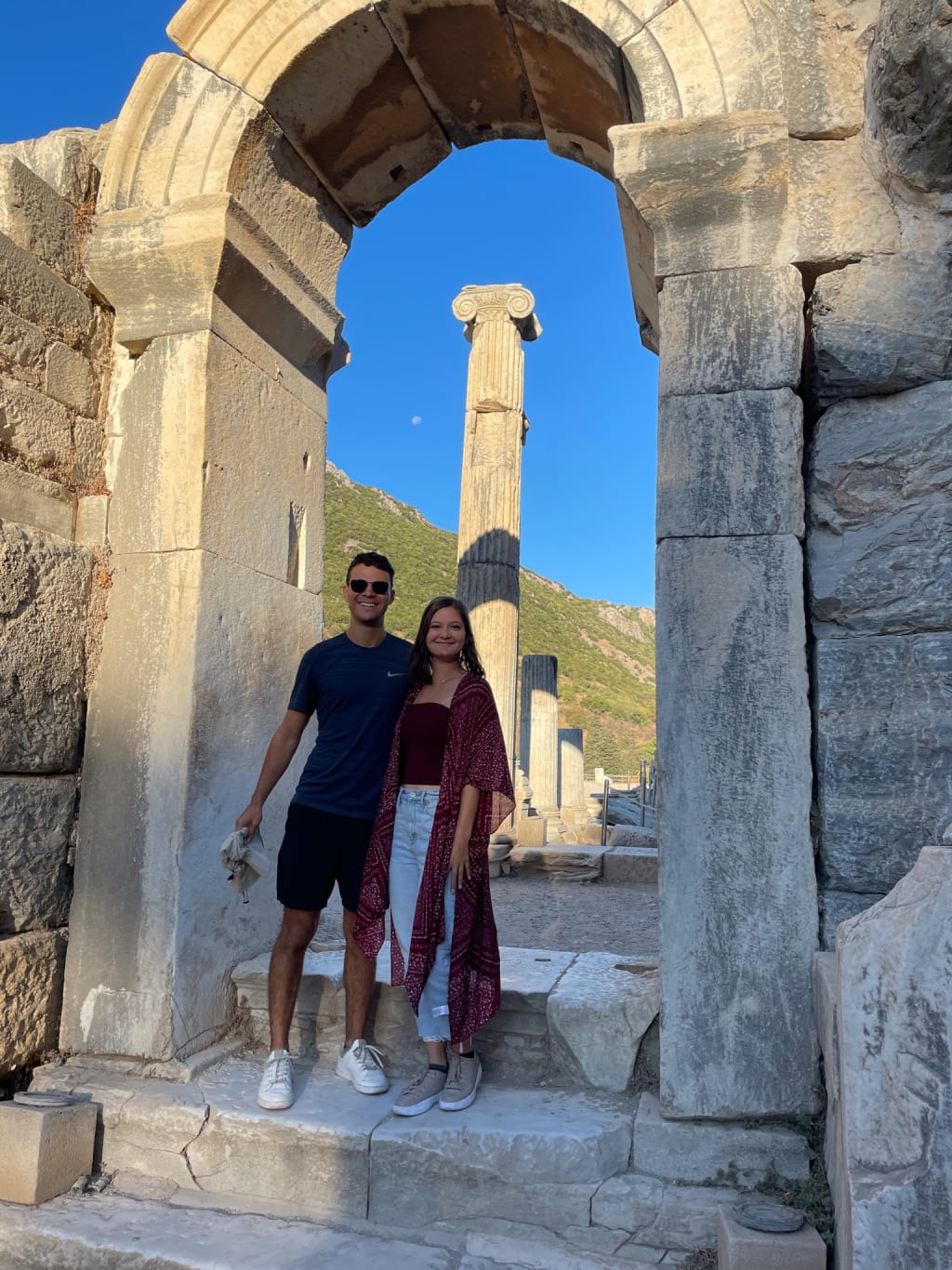
Just beyond the Gate of Hercules were the Public Toilets. These toilets were arranged on a slab of marble with no barriers for privacy. According to local legend, the marble seats would get quite cold in the winter, so wealthy males would send their servants ahead to warm their seats before they did their business.

The engineering behind these toilets was remarkably advanced. A constant flow of running water beneath the seats carried away waste, creating one of the earliest public sanitation systems in the world.
By this point, the midday sun was scorching overhead. We sought reprieve in the Terrace Houses, which had a roof that provided some shade.
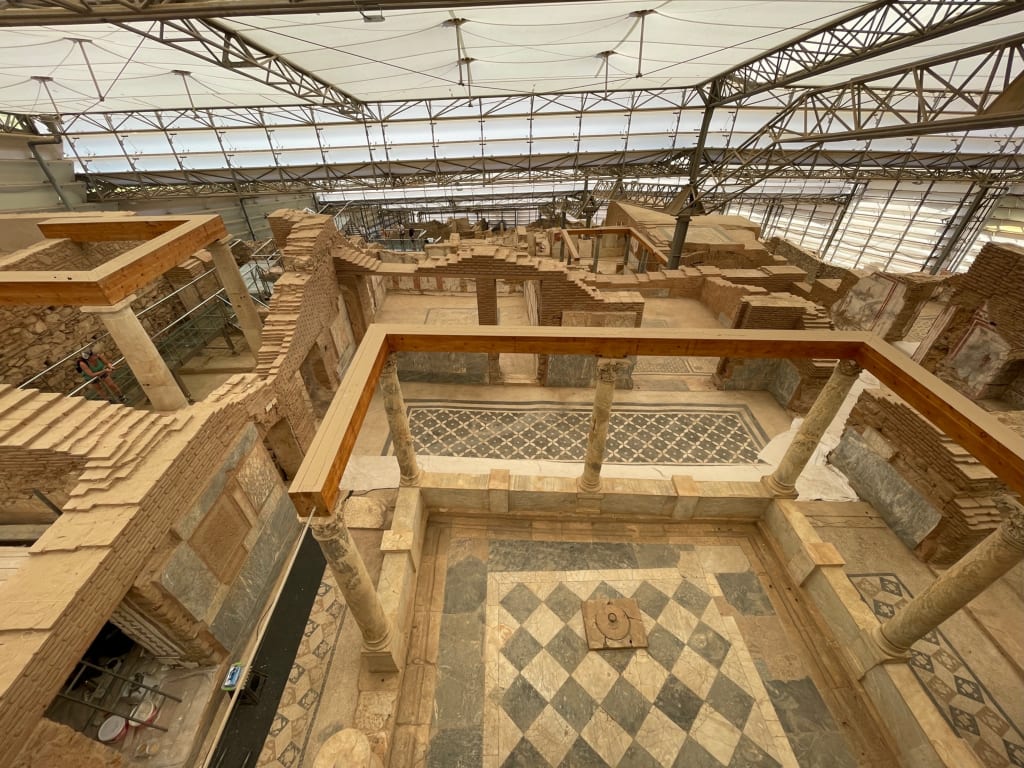
The Terrace houses were the homes of the elite Roman class.
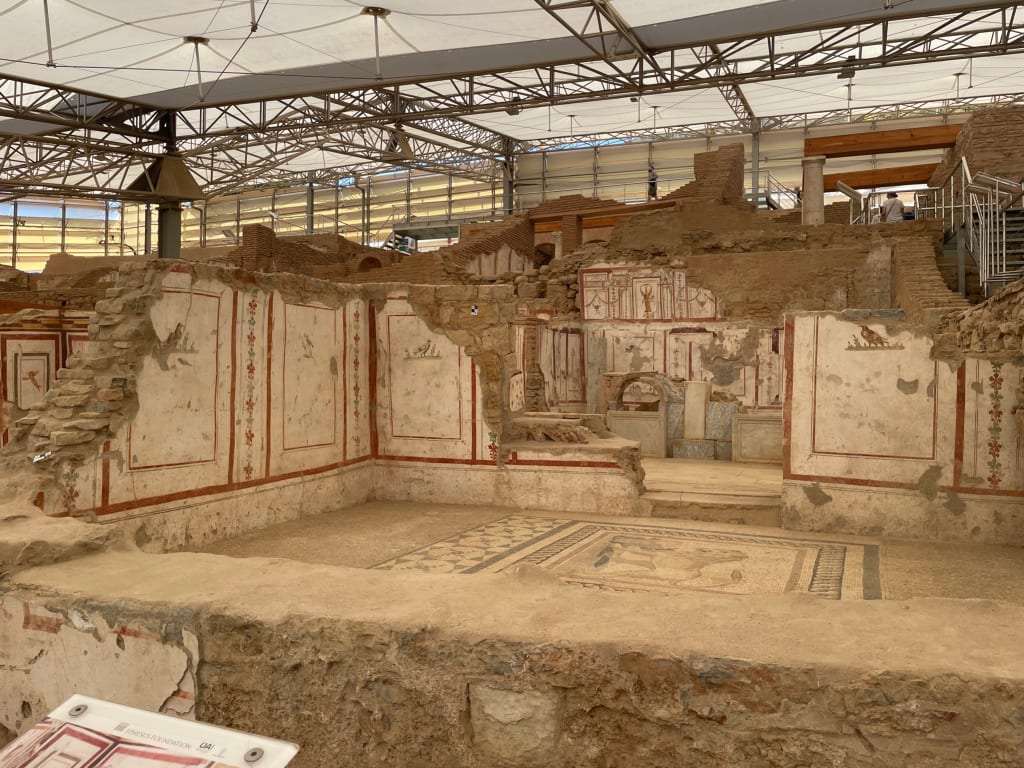
Their lavish interiors reflected the immense wealth that flowed through Ephesus during its peak. These houses had beautiful mosaics on the floor and frescos decorating the walls.
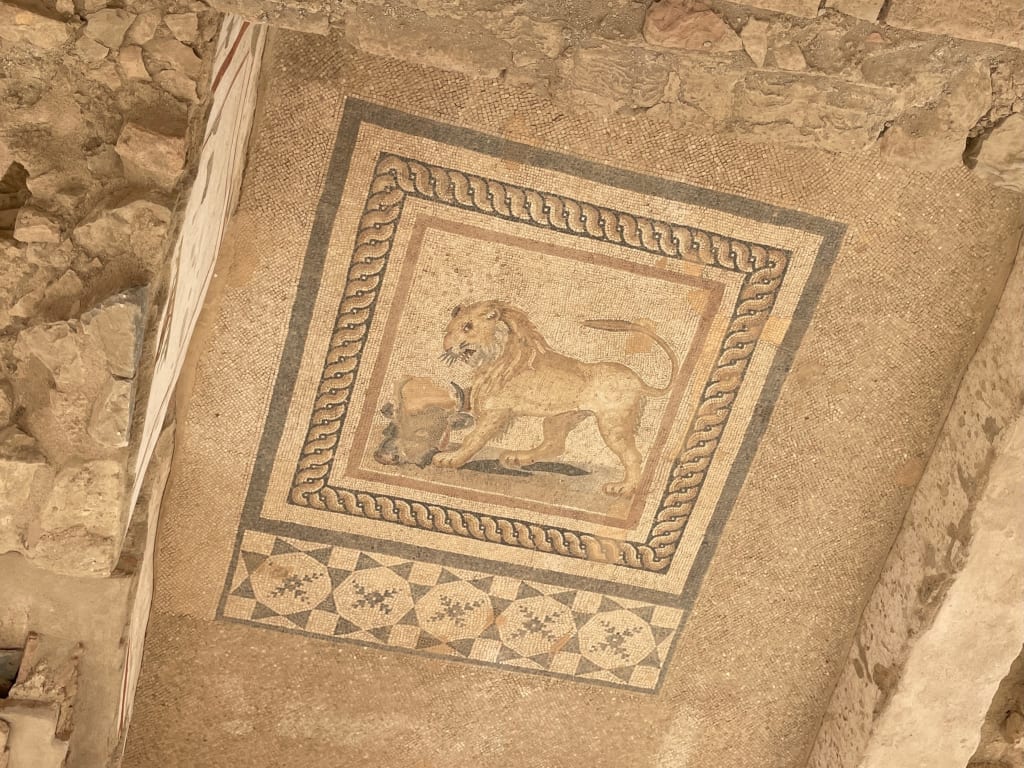
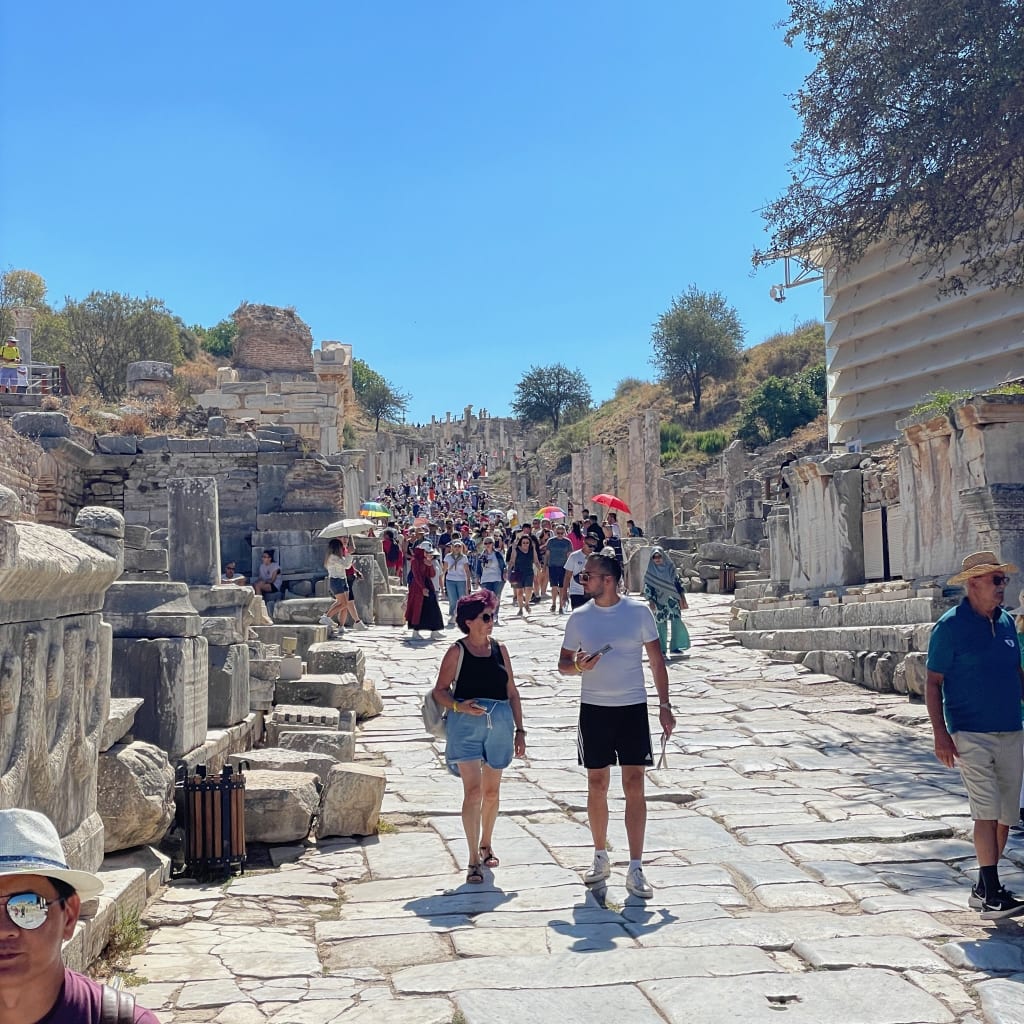
We spent thirty minutes exploring the Terrace Houses before making our way back to the Library. It looked nothing like it did 3 hours ago. Visitors now covered every inch of the plaza.
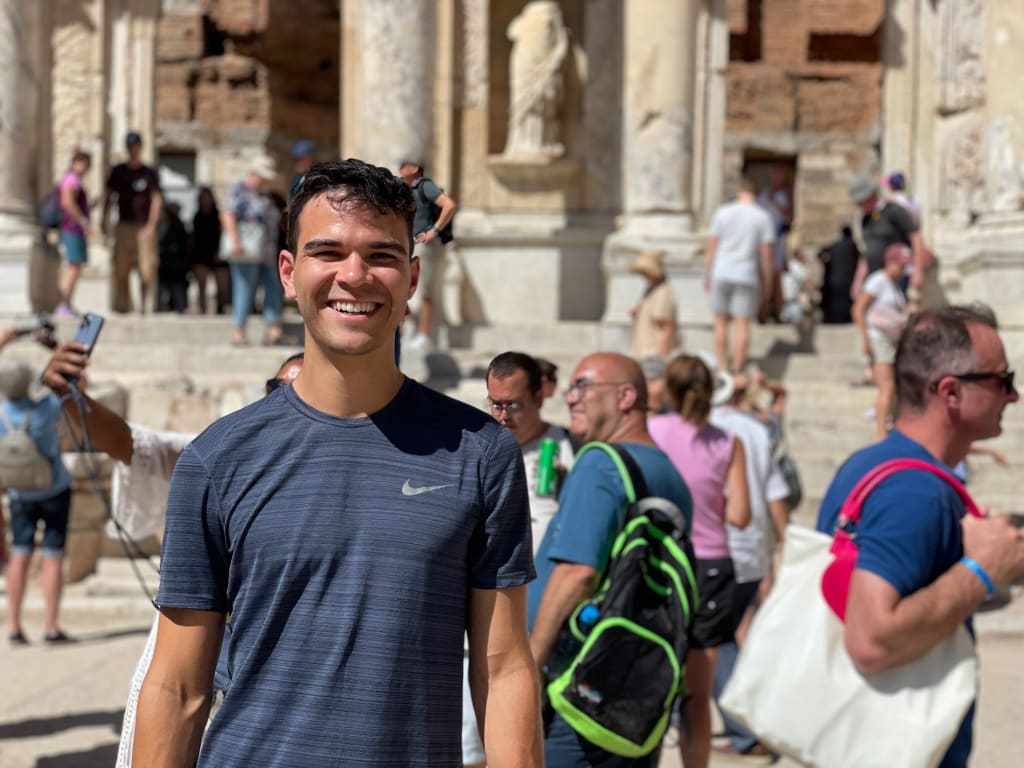
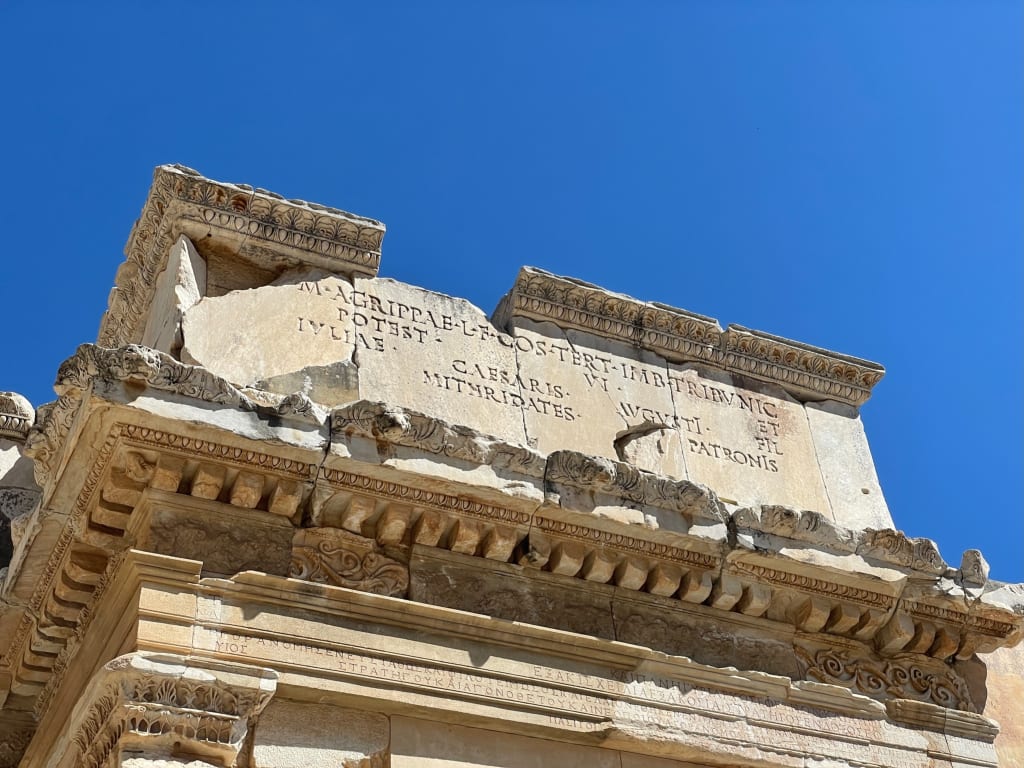
Despite the crowds, we did manage to capture these gorgeous photos of the library with a beautiful blue sky in the background.
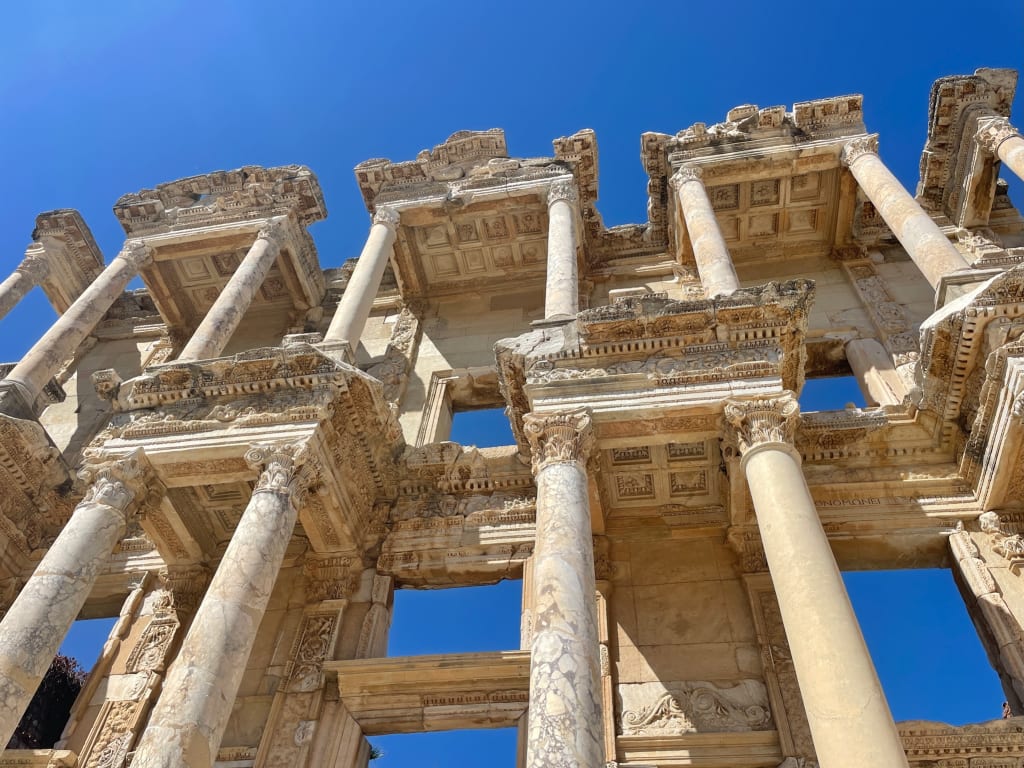
By shooting from this low angle, we were able to keep most of the other tourists out of the frame.
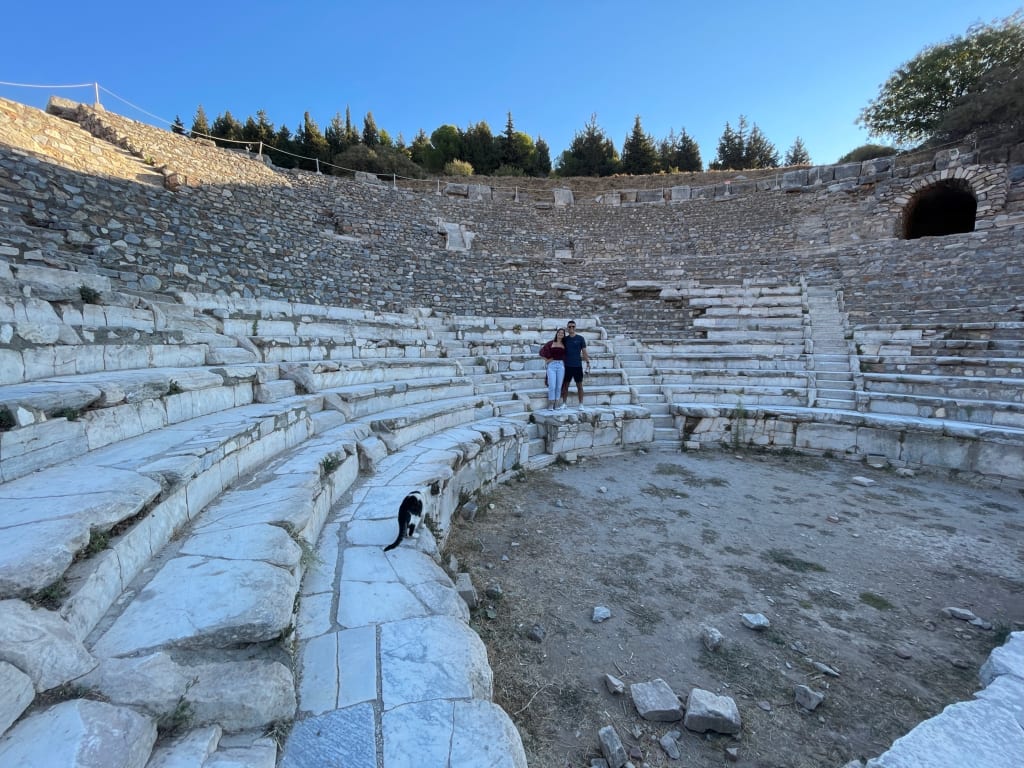
Our tour concluded at the Grand Theater. It was enormous and could seat an estimated 24,000 spectators, which is considerably larger than many modern stadiums such as New York’s Madison Square Garden which, for reference, seats 19,000 people.
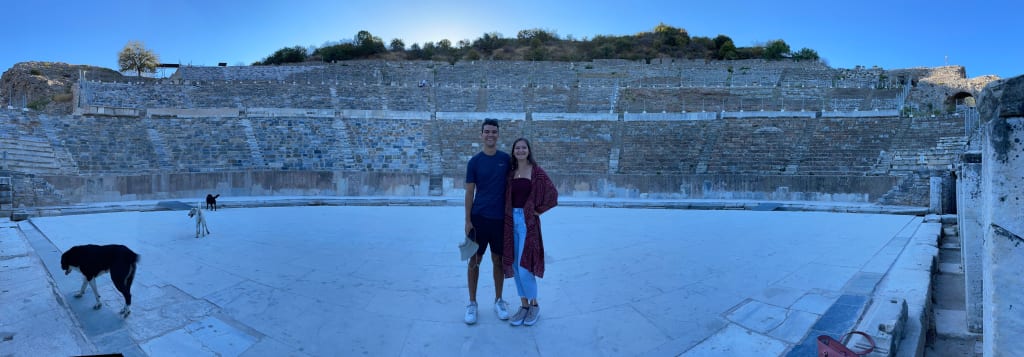
As we ended our tour of the ruins, our guide, Kaya, shared this fact: only about 15-20% of Ephesus has been excavated. The vast majority of the ancient city remains buried for future generations of archeologists to uncover.
He also shared this website that recreates what Ephesus actually looked like at its peak. The reconstructions made it much easier to imagine what it would have been like to walk through Ephesus nearly 2,000 years ago.
As we walked toward the exit, I found myself wondering what it would be like to visit Ephesus 100 years from now when more of the city has been excavated, or what visitors a few thousand years from now might think as they wander through the excavated ruins of my home city of New York, trying to piece together what life was like in the 21st century.
OUR EXPERIENCE IN THE SURROUNDING VILLAGES
After four hours exploring Ephesus, we hopped back into the car and headed to another archeological site: the Temple of Artemis. The Temple of Artemis was built in 550 BCE. It was the first temple built entirely out of marble and is one of the seven Wonders of the Ancient World. It attracted pilgrims from across the Mediterranean and is a major reason that Ephesus became one of the wealthiest cities in the Roman world. Today, all that remains is one lone reconstructed column.
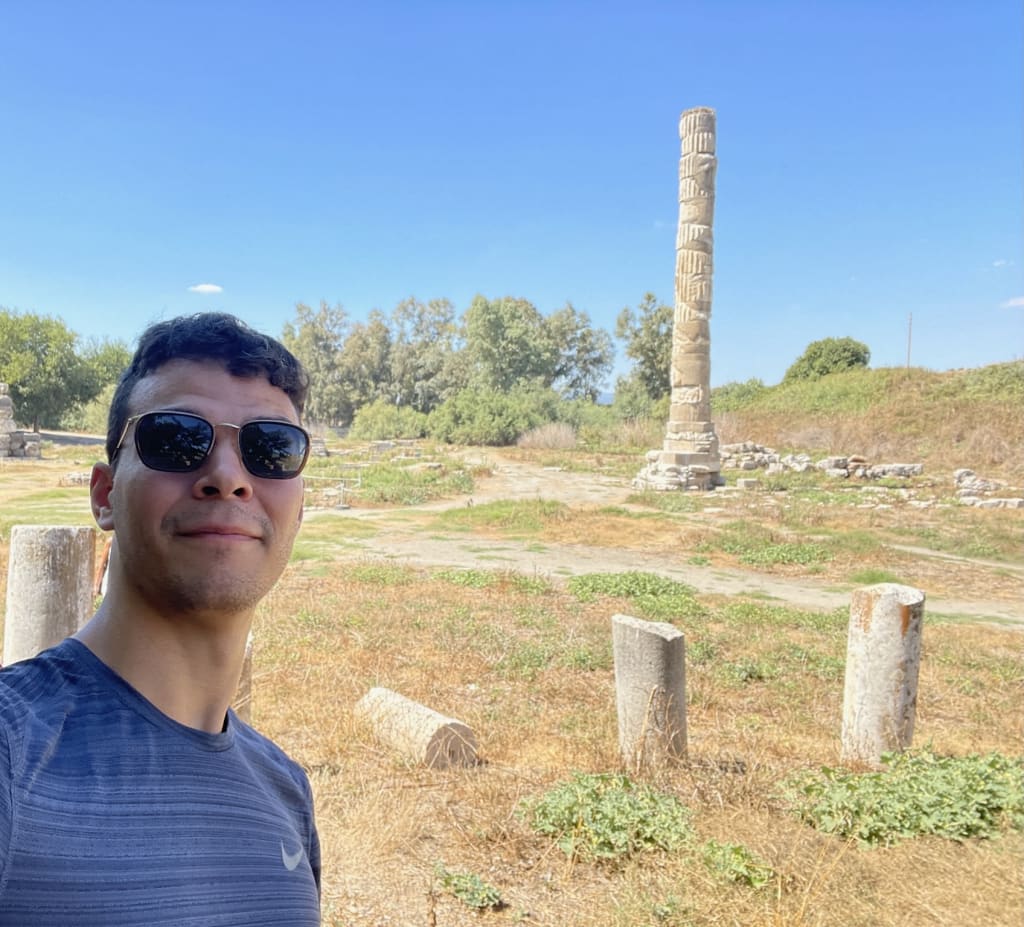
The only Wonder of the Ancient World that remains intact today is the Pyramids of Giza in Egypt.
The next stop on the tour was a stunning ceramics shop called Lotus Ceramics Garden. It is genuinely the most beautiful shop I’ve seen in my life.
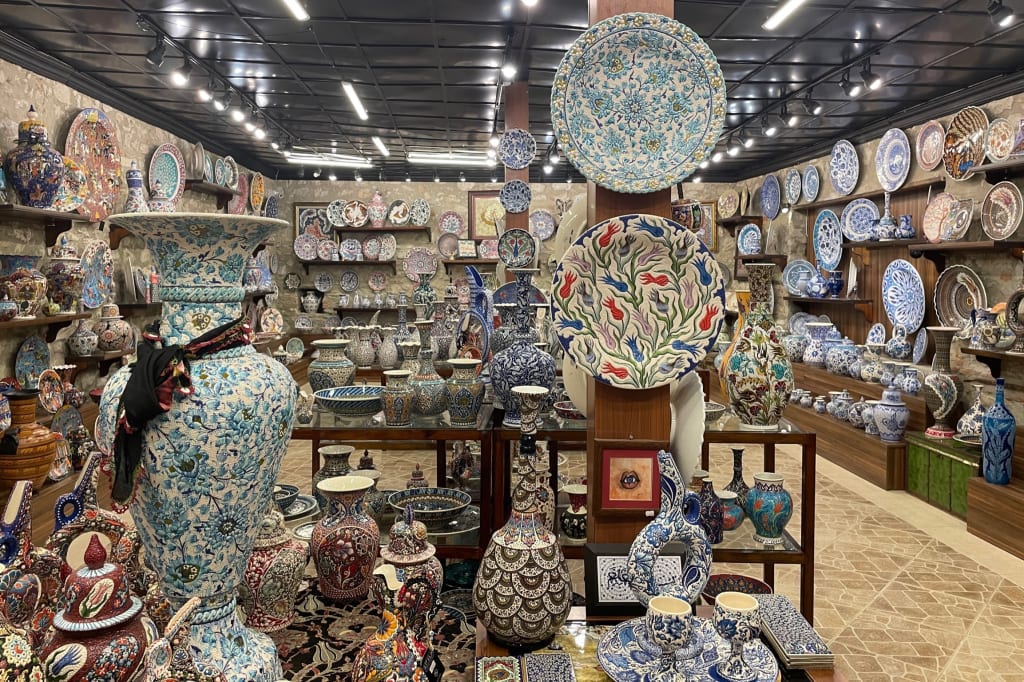
Every piece was meticulously painted in vibrant colors in astonishingly high detail.
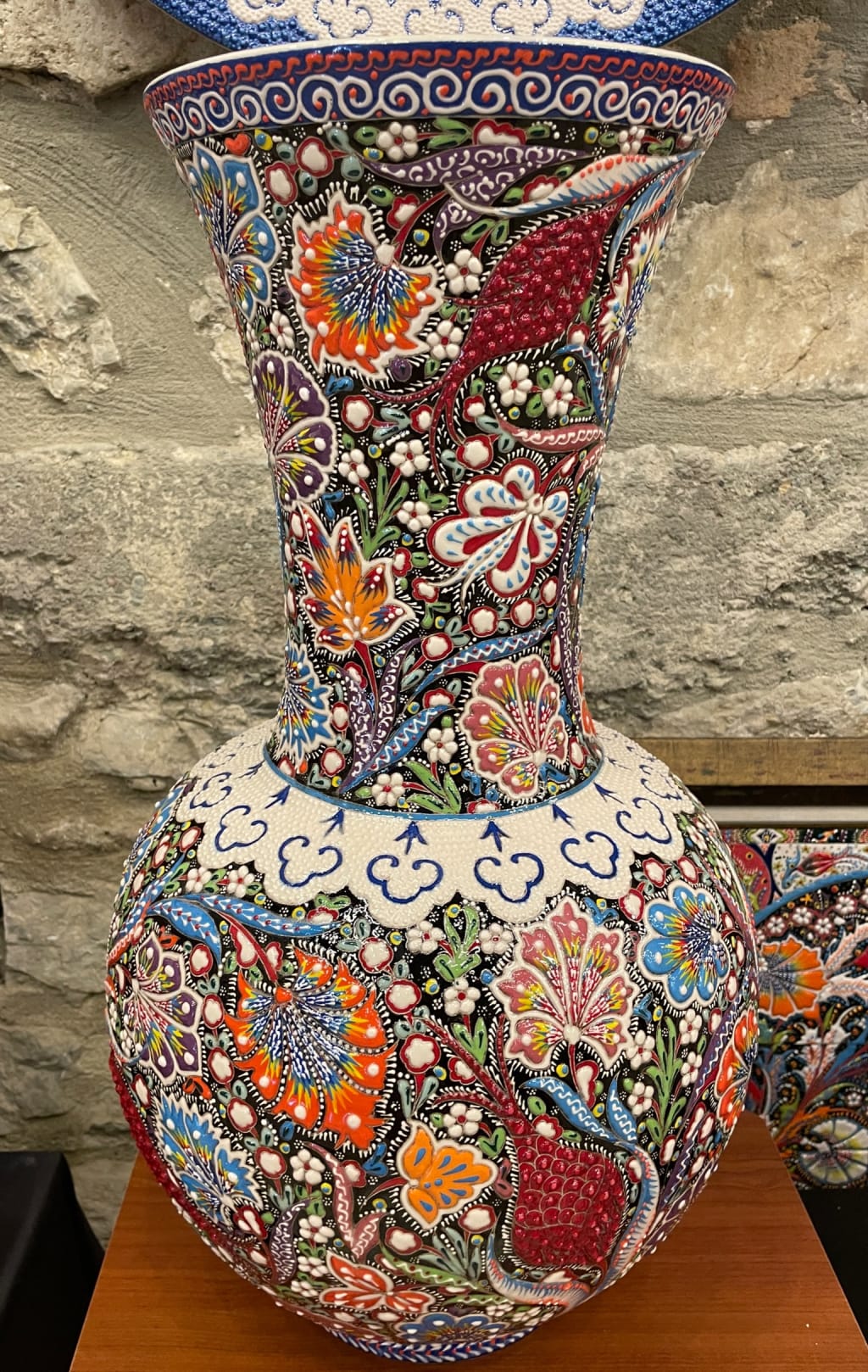
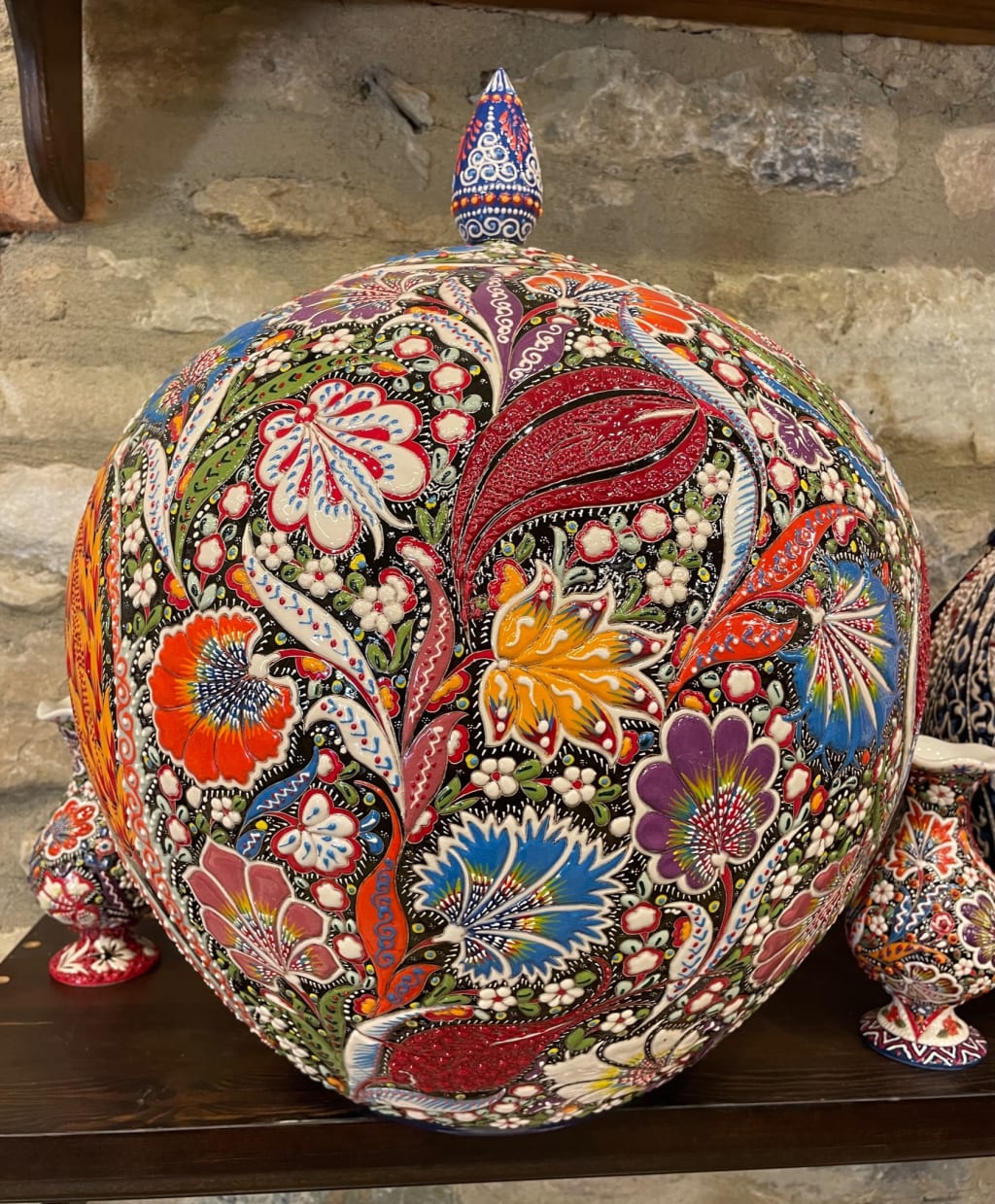
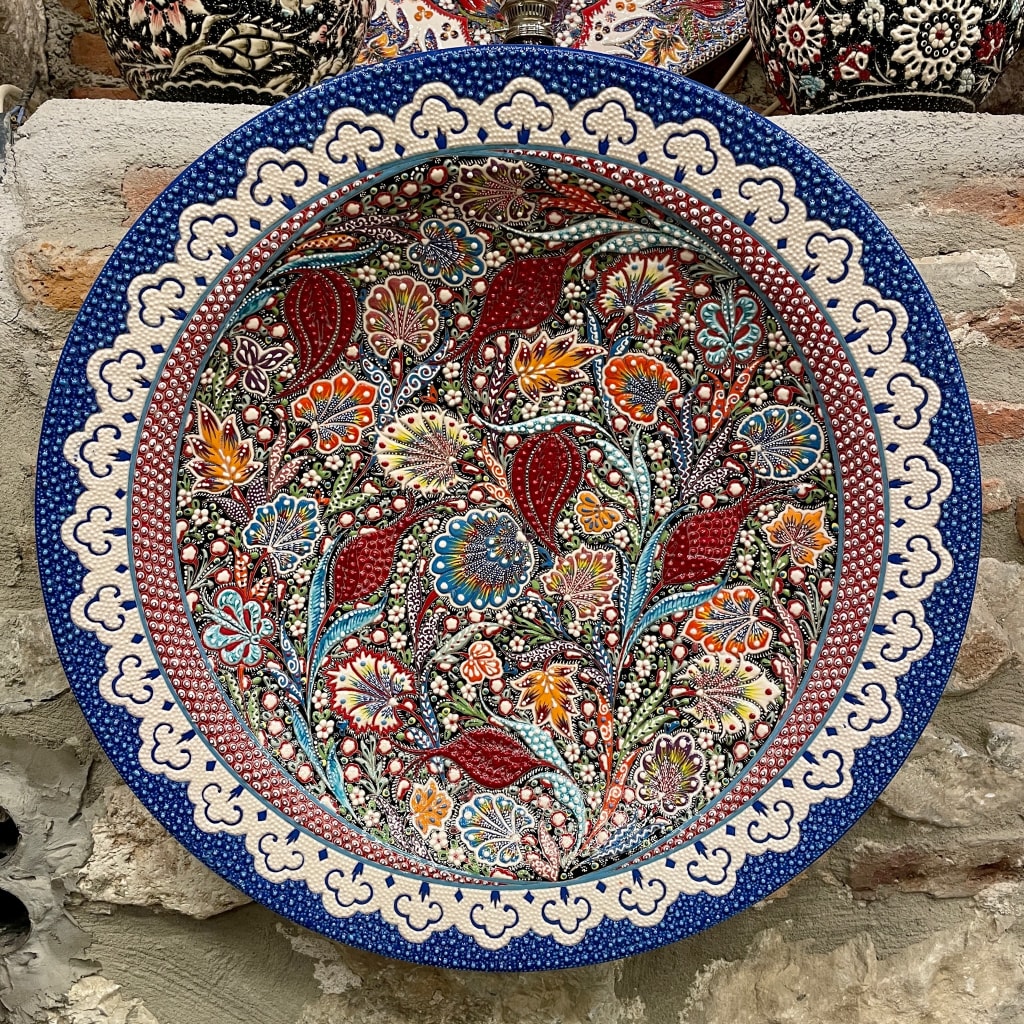
As if the intricate designs weren't impressive enough, the shop owner turned off the lights and the ceramics glowed in the dark with neon colors.
We were impressed. We purchased a small ceramic tile that, to this day, is one of my favorite pieces of art I’ve ever purchased.
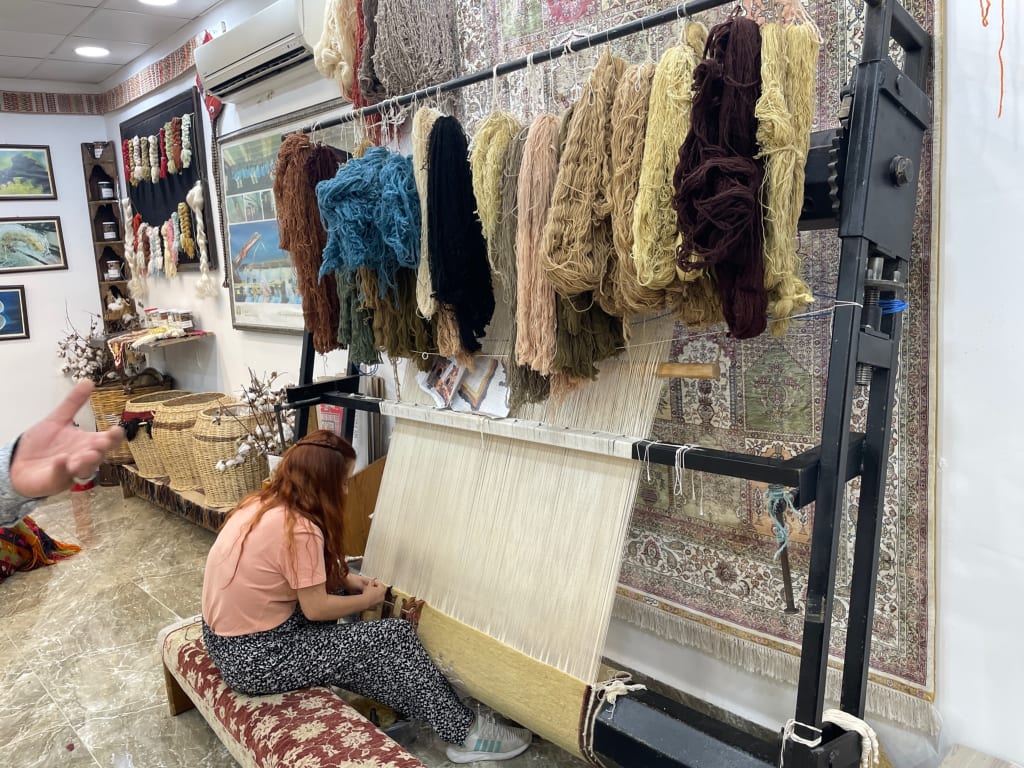
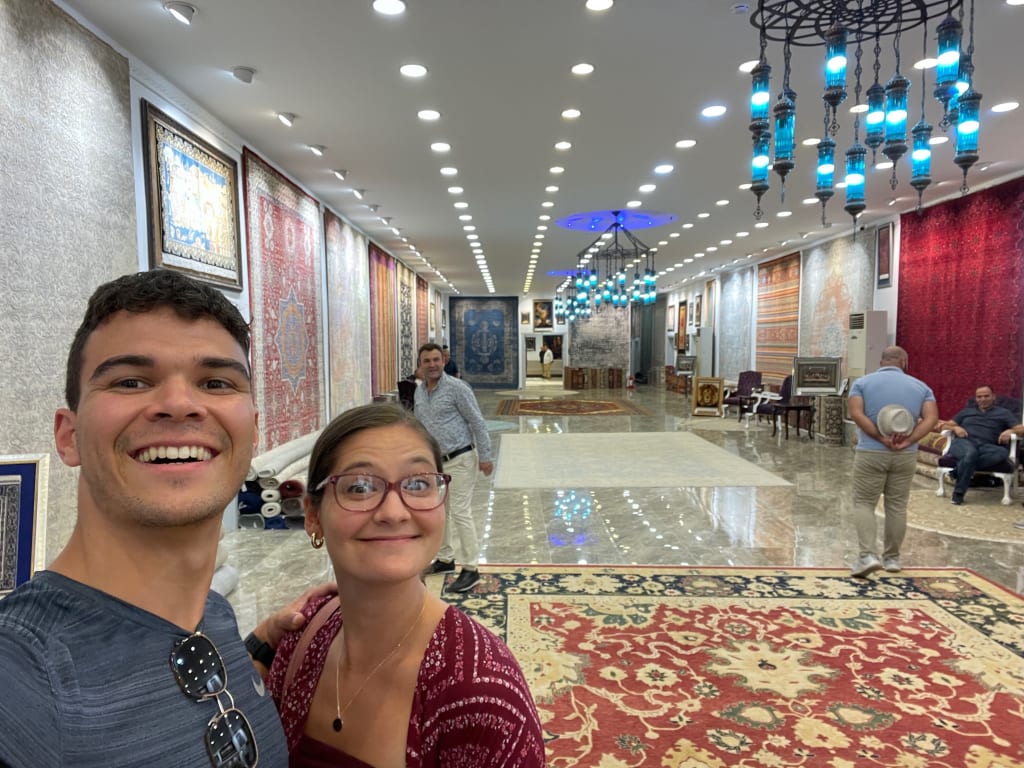
On the way to our final stop, we visited a traditional Turkish rug shop. We learned about how Turkish silk rugs are handwoven knot by knot and can take several months to even years to make.
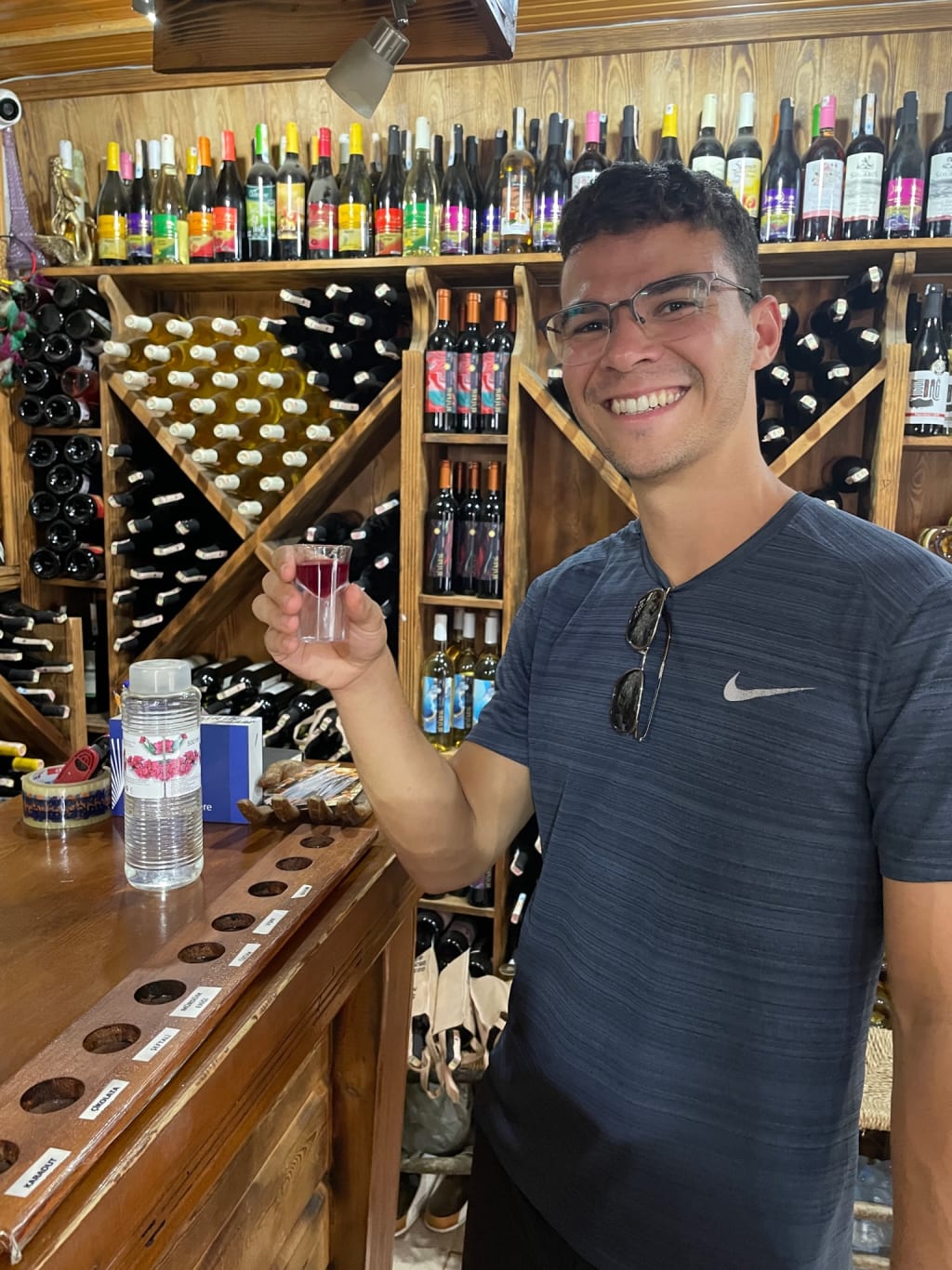
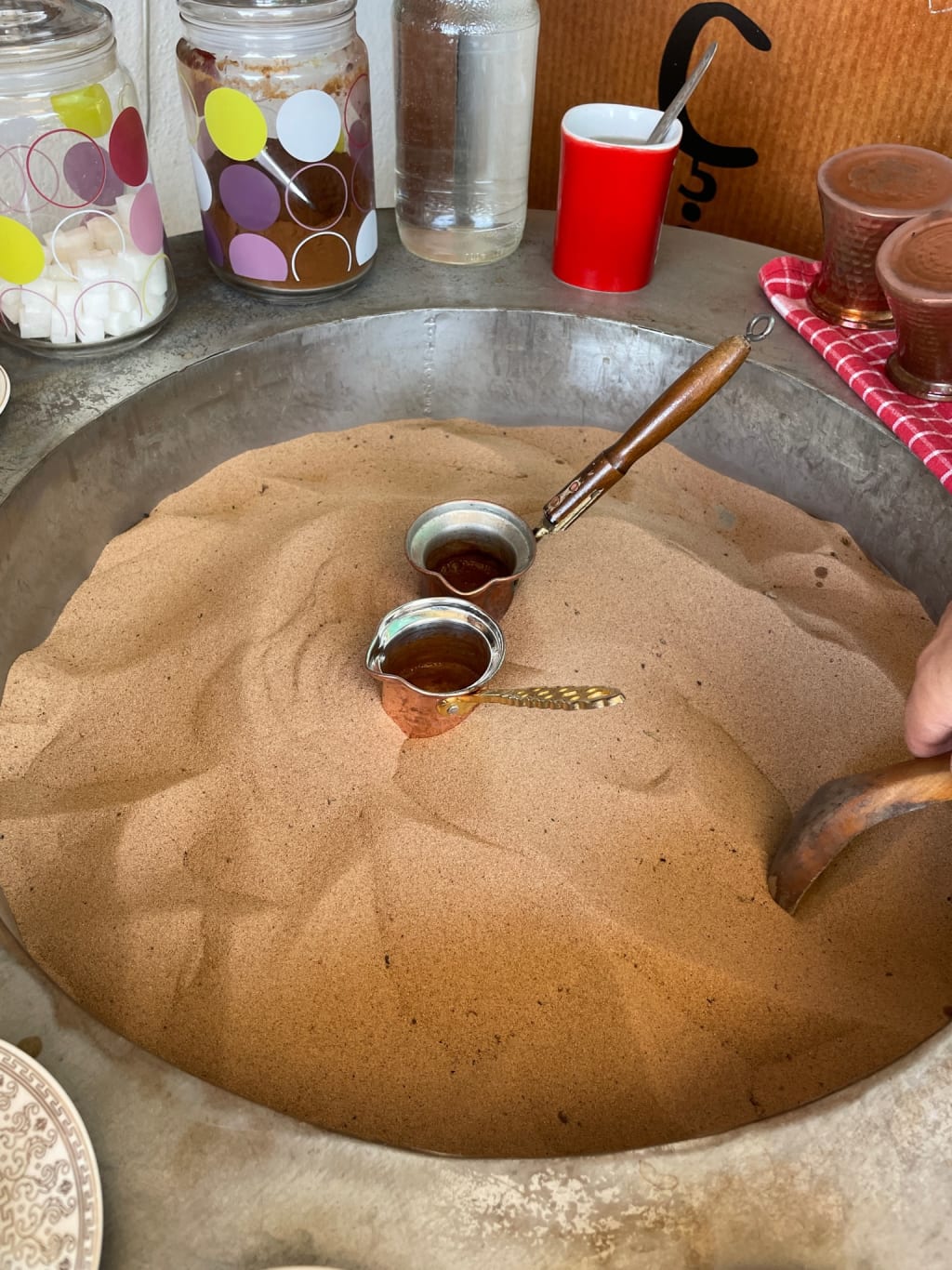
We ended the day in the village of Şirince. We sampled fruity wines and sipped on Turkish coffee while we listened to the Call to Prayer. It was a wonderful way to end a great day.
DO I NEED A TOUR?
I highly recommend going on a guided tour of Ephesus. Your guide can provide some historical context on the city that will make your visit much more meaningful. In addition, they will handle the drives to nearby attractions, including the Temple of Artemis and the village of Şirince. We went with Ephesus Port Tours and had a fantastic experience with our guide, Kaya.
HOW TO AVOID THE CROWDS AT EPHESUS
Avoiding the crowds in Ephesus will involve some effort, but it’s completely worth it. It’s one of the most popular historical sites in the world with about 2.7 million visitors every year and it can get quite crowded at times.
The best way to avoid the cruise ship crowds is to arrive when Ephesus opens, ideally 15–30 minutes before the gates open at 8 am. Most cruise excursions depart from the nearby port of Kuşadası and don't arrive until around 9:30–10 am, with crowds typically peaking between 9:30 and 11:30 am. By arriving first thing in the morning, you'll enjoy cooler temperatures and may even have iconic landmarks like the Library of Celsus almost entirely to yourself. I also recommend copying our plan and heading to the Library of Celsus as soon as you enter the gates. You can backtrack towards the entrance to explore the city in depth after you check out the Library, which is by far the most popular landmark.
I also highly recommend checking the Kuşadası cruise ship schedule before choosing your visit date. Days with fewer ships in port generally mean fewer tour buses at Ephesus.
HOW TO GET THERE
I recommend taking a short domestic flight from either Istanbul (1 hour) or Cappadocia (1 hour 30 minutes) to Izmir. The drive from Istanbul is doable at 6 hours, and the infrastructure in Turkey is quite good with well maintained roads, but it’s much easier and quicker to just fly.
NEARBY ATTRACTIONS
With less than 10 days in Turkey, I recommend just one full day in the Izmir area to explore Ephesus so you can spend the majority of your time in Istanbul and Cappadocia.
If you have more time in Turkey, however, you could rent a car from Izmir and visit some nearby attractions.
Just two hours’ drive away from Ephesus is another well-preserved Roman city: Aphrodisias. An additional hour’s drive will bring you to Pamukkale, a collection of dazzling white travertine terraces with turquoise thermal pools. They are said to be quite beautiful, but they do attract large crowds, so make sure you wake up at the crack of dawn if you do decide to visit. If you haven’t gotten tired of Roman ruins yet, you can explore the neighboring ruins of Hierapolis the same day as Pamukkale. Hierapolis has a marvelous grand theater facing an elaborate stage building.
From there, I recommend continuing on to the Turkish Riviera just 3 hours away, where you can relax by the seaside Mediterranean towns of Fethiye, Kaş, or Antalya. If paragliding is on your bucket list, be sure to spend some time in Ölüdeniz. It’s one of the best places in the world to do it.
IS IT WORTH IT?
Absolutely. Ephesus is like a portal to the past and it’s absolutely stunning. It’s undoubtedly one of the most impressive archaeological sites on Earth. I left with a much deeper appreciation of the Roman Empire and the legacy it left behind on everything from law and government to architecture and language.
Admittedly, Ephesus is a little out of the way of many of Turkey’s other attractions. We took two short domestic flights (one from Istanbul, the other to Cappadocia) just to spend a day at Ephesus. It was completely worth the effort and one of our favorite guided walking tours not only in Turkey, but across all our travels. If you come to Turkey, don’t leave Ephesus off your itinerary.
FAQS
How much time do you need at Ephesus?
We spent 4 hours at Ephesus and thought this was the perfect amount of time.
What are the must-see sites in Ephesus?
My favorite sites (in the order you’ll encounter them if you’re walking from the Upper Gate to Lower Gate) were the Odeon, the Gates of Hercules, the Temple of Hadrian, the Library of Celsus, the Terrace Houses, and the Grand Theater.
How much does it cost?
A ticket to the Ephesus Archaeological Site costs 40 euros (~$46) and includes entry to the Ephesus Experience Museum as well. To enter the Terrace Houses, you need a second ticket that costs 15 euros (~$17).
Are the Terrace Houses worth the extra ticket?
I enjoyed our visit to the Terrace Houses. They look quite different from the rest of the city and offer a glimpse into what life looked like for the wealthiest citizens of the Roman Empire. That being said, a visit to Ephesus is still well worth your time if you do decide to skip the Terrace Houses.
What is the best time of year to visit Ephesus?
I recommend visiting Ephesus between April and May or September and October, when the heat is less intense and the crowds are smaller than during peak summer months. We visited in September and, while it was still quite hot, the weather was overall quite pleasant.
Where should I stay?
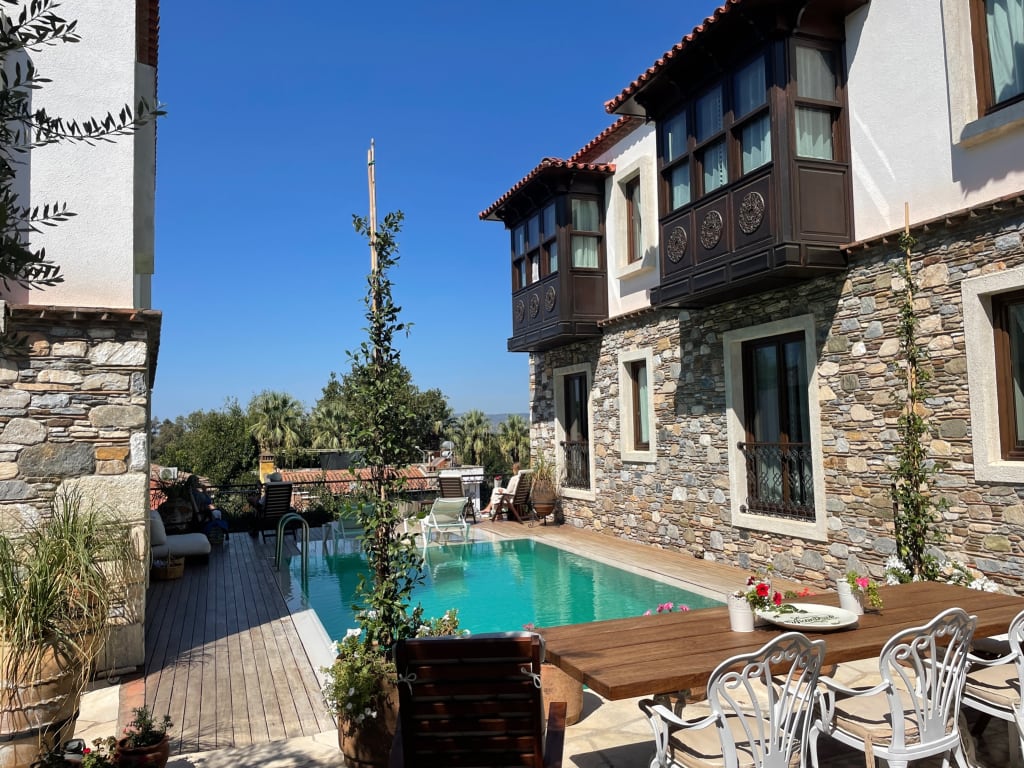
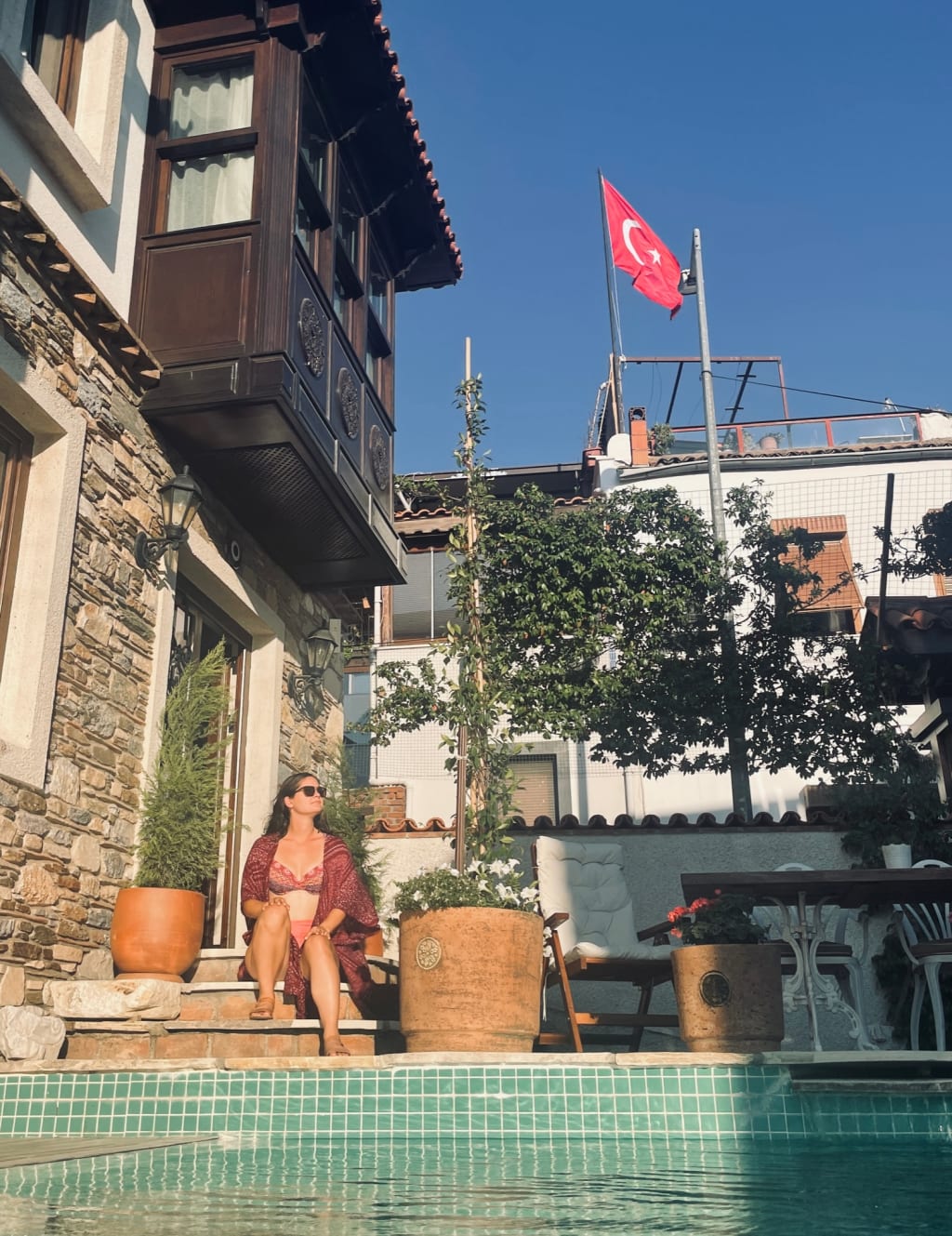
Most visitors stay either in Selçuk or Kuşadası. Selçuk is just a few minutes from Ephesus and is the best choice if your priority is exploring the ruins early in the morning before the crowds arrive. We stayed in this adorable boutique hotel, Akanthus Ephesus Hotel, in Selçuk and really liked it.