Bear Camp Archives: My Favorite Photos & Fun Facts (Katmai NP)
August 2026Kathryn Nelson
After 5 days at Bear Camp, we had 2,000 photos to go through (okay, only 1,929, but that's still a lot). It took hours to filter through them all and find the best shots.
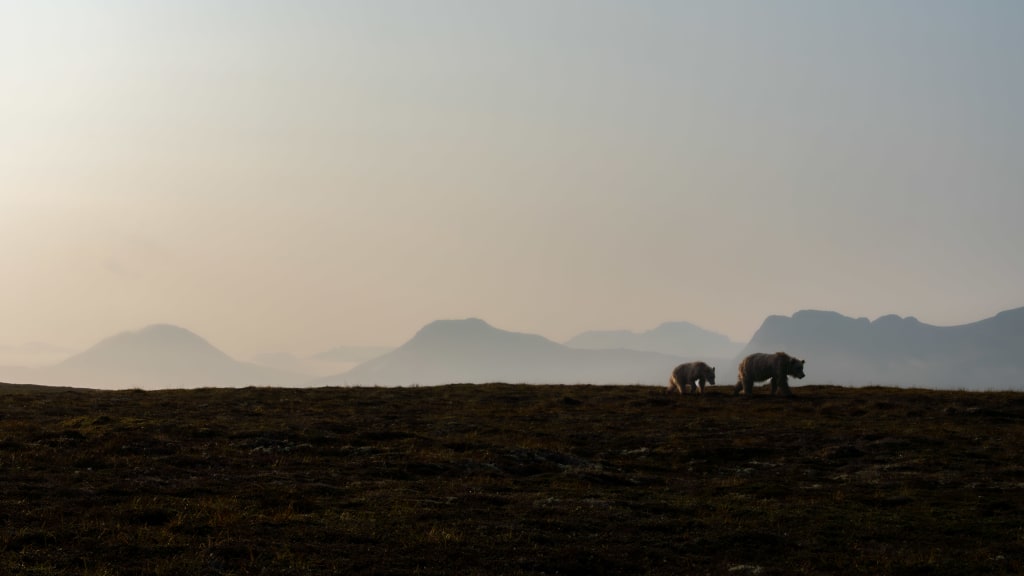
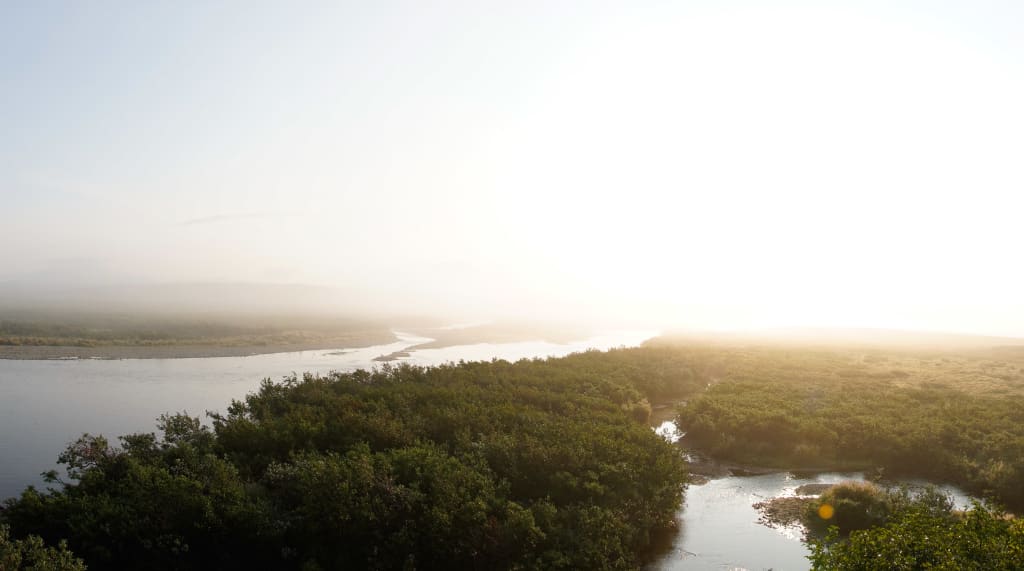
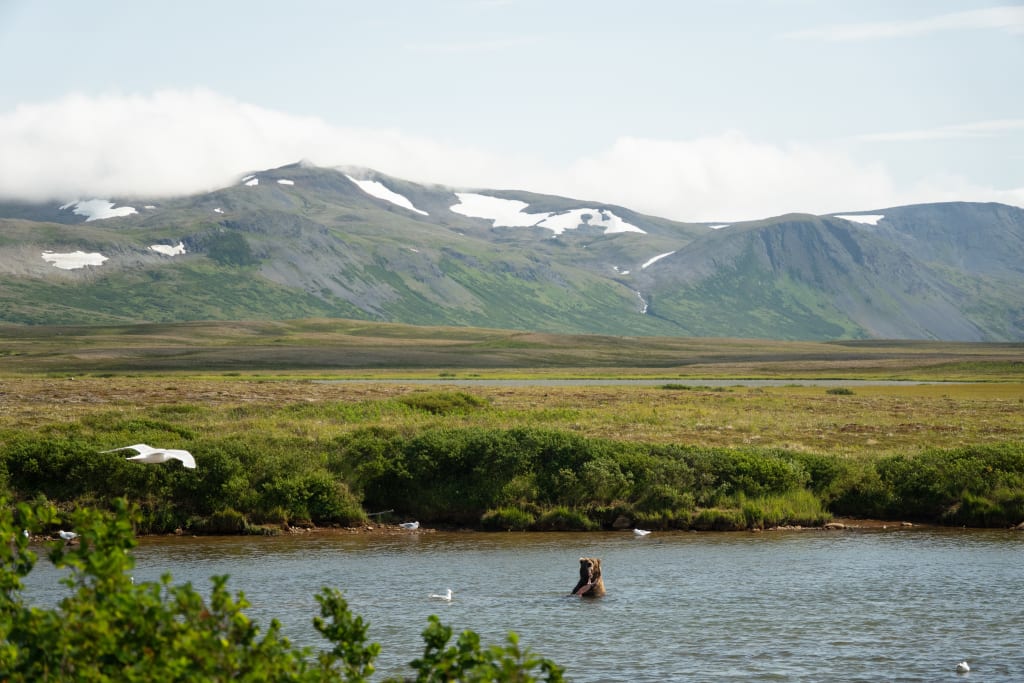
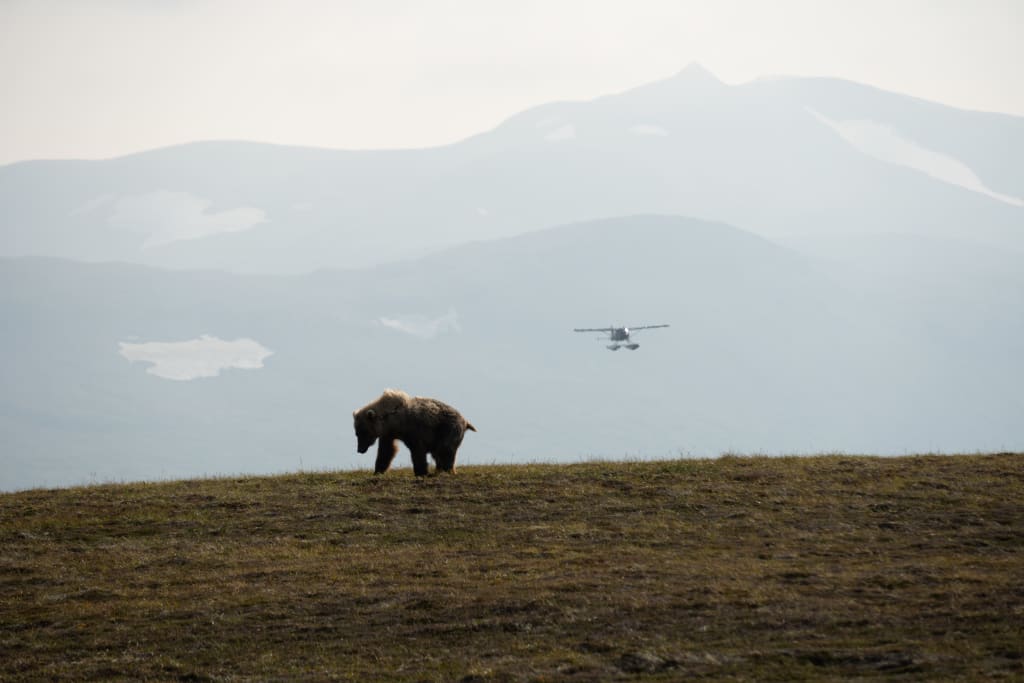
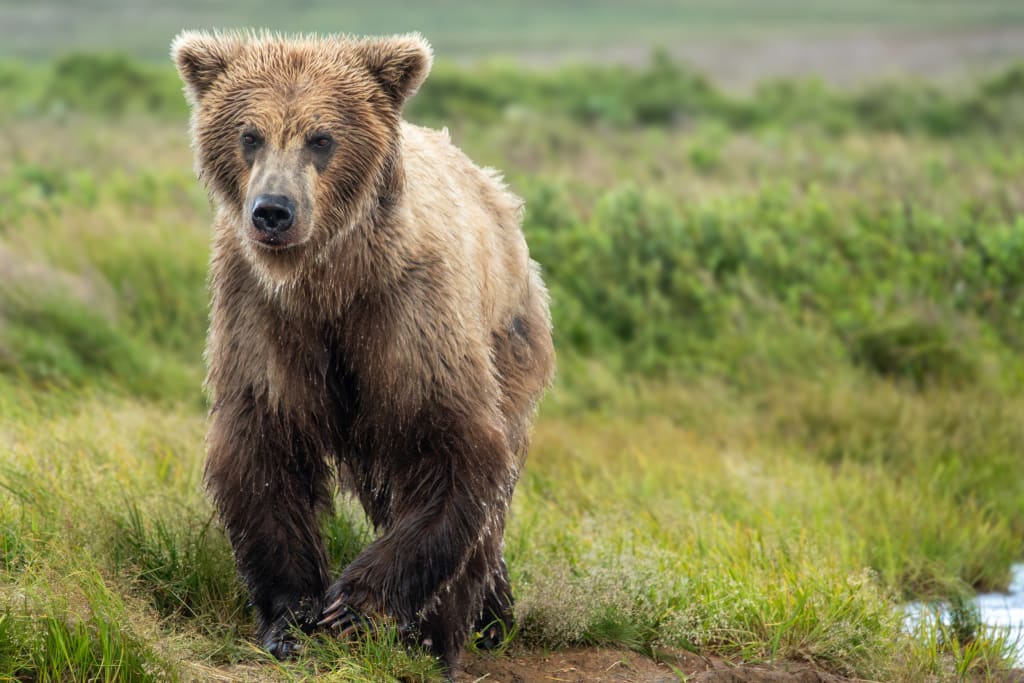
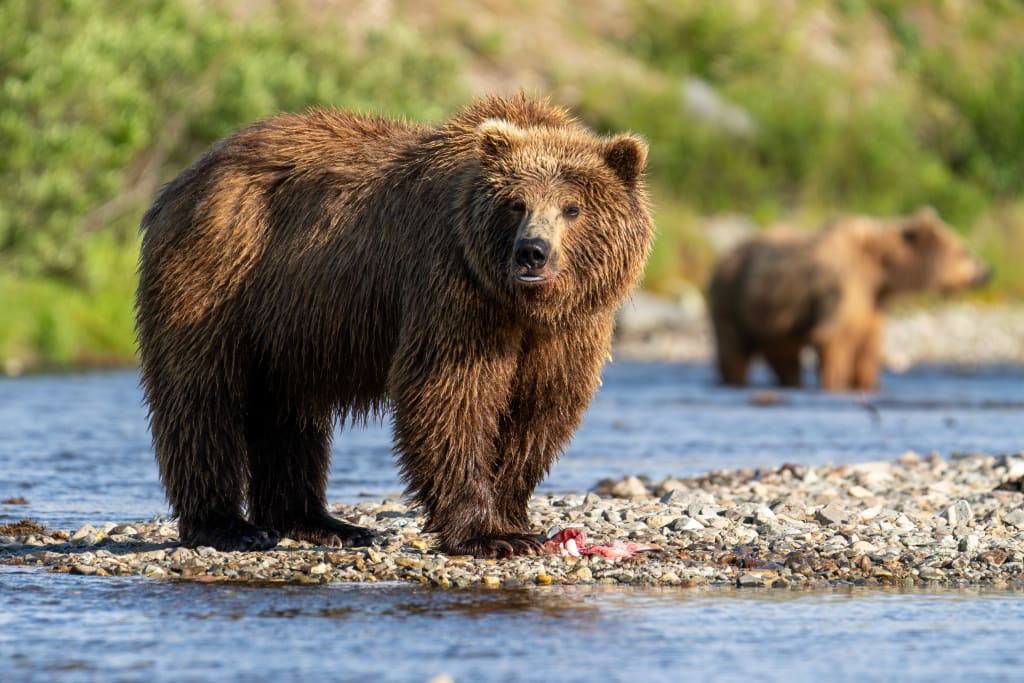
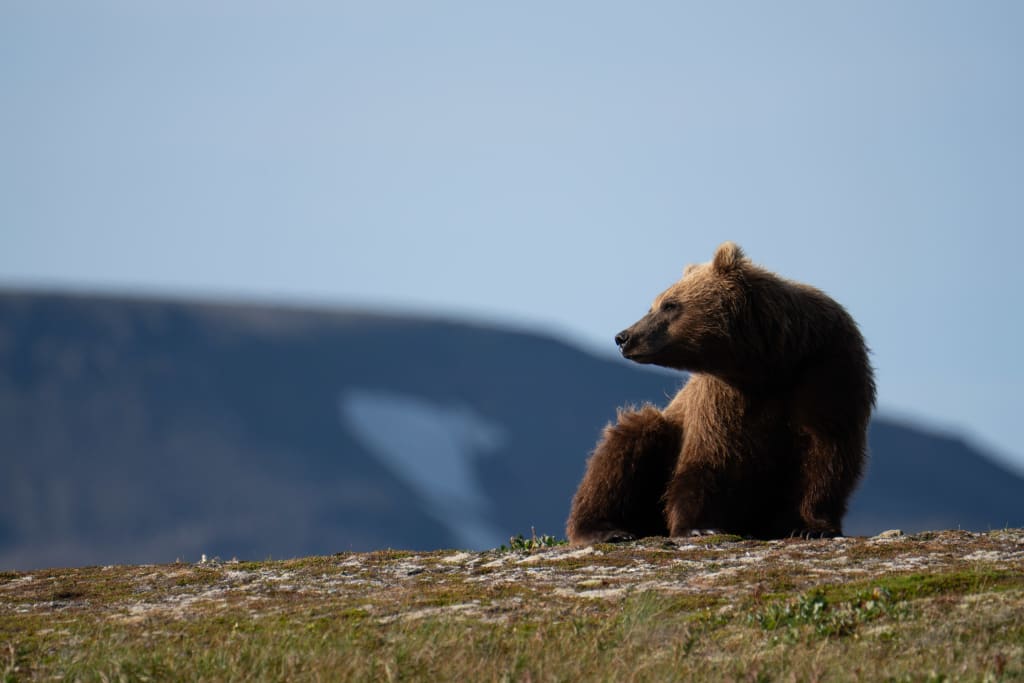
The photos I included in this article are the ones that truly took my breath away. The ones I pull up time and time again to show friends and family. The ones that still catch my eye no matter how many times I've seen them. These are my favorite shots of the beautiful brown bears of Alaska. Along with the photos, I included some fun facts about bears in the captions. I hope you enjoy reading through them.
Katmai became a protected area due to its volcanic landscapes, not because of the presence of bears. In 1912, the massive volcanic eruption of Novarupta created the Valley of Ten Thousand Smokes. A few years later, President Woodrow Wilson proclaimed the area Katmai National Monument to protect the volcanic site. It wasn't named a national park until 1980!I was deeply saddened to learn that in the Preserve side of Katmai National Park & Preserve, you can legally hunt bears for 10 days each year. Since most humans the bears encounter are tourists who simply want to photograph them, the bears learn to trust humans, making it easier for hunters to approach their prey.
THE PERFECT SHOTS
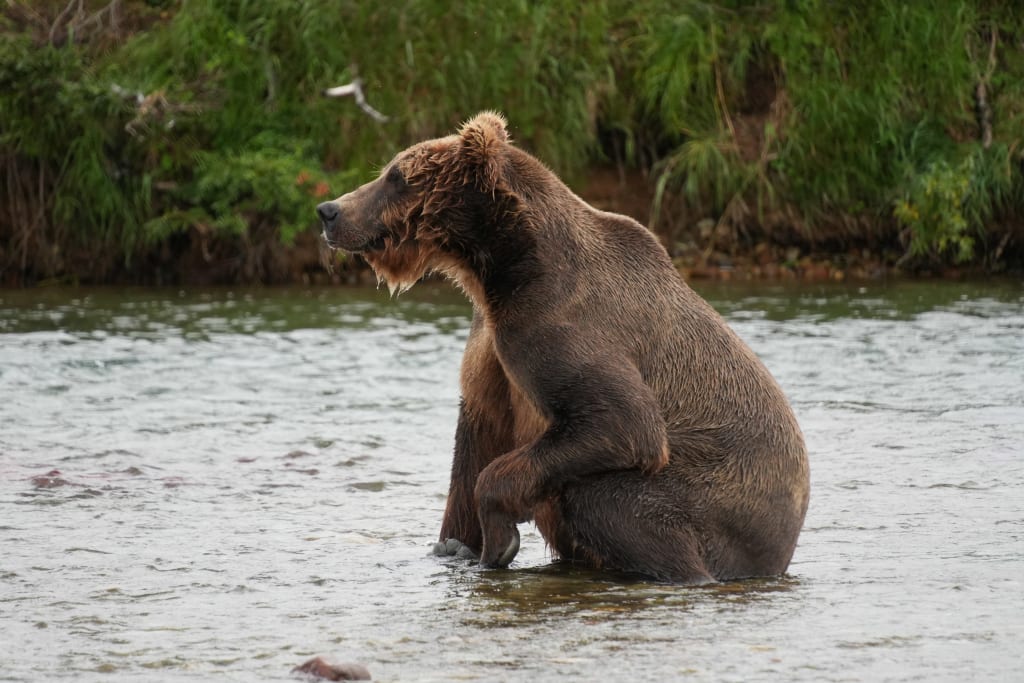
I captured this photo! Alex is the photographer behind 99% of the photos on this blog, but I've been learning how to use a camera over the last month and I was very proud of myself for getting this shot.Brown bears are the second largest of the 8 bear species (only polar bears are larger). The other bear species are: American black, Asiatic black, Andean speckled, giant panda, polar, sloth, and sun.
FISHING BEARS
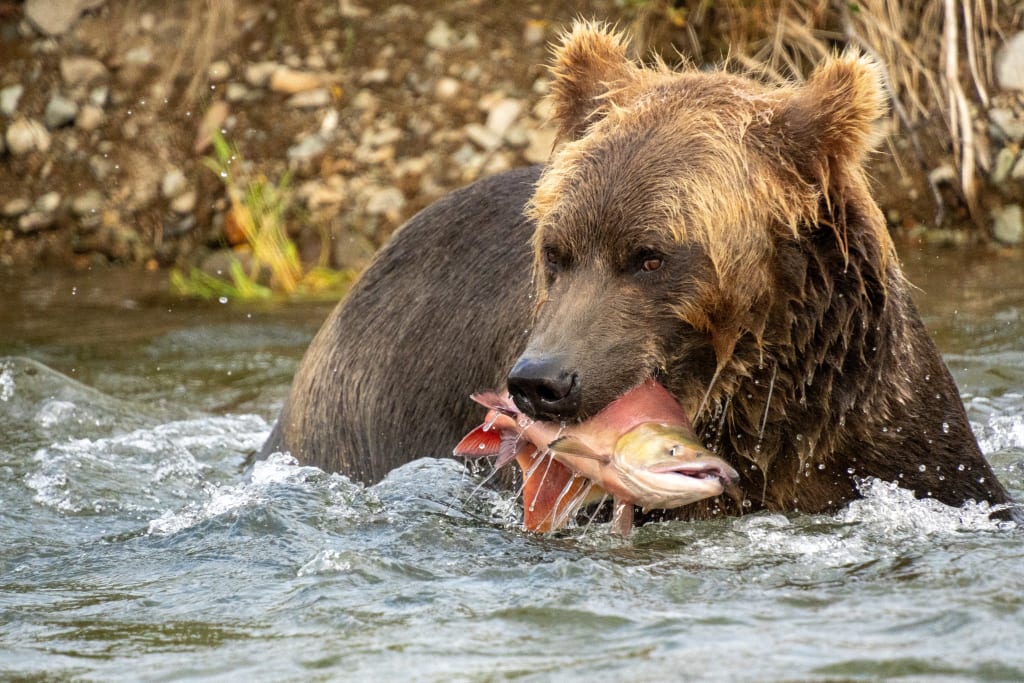
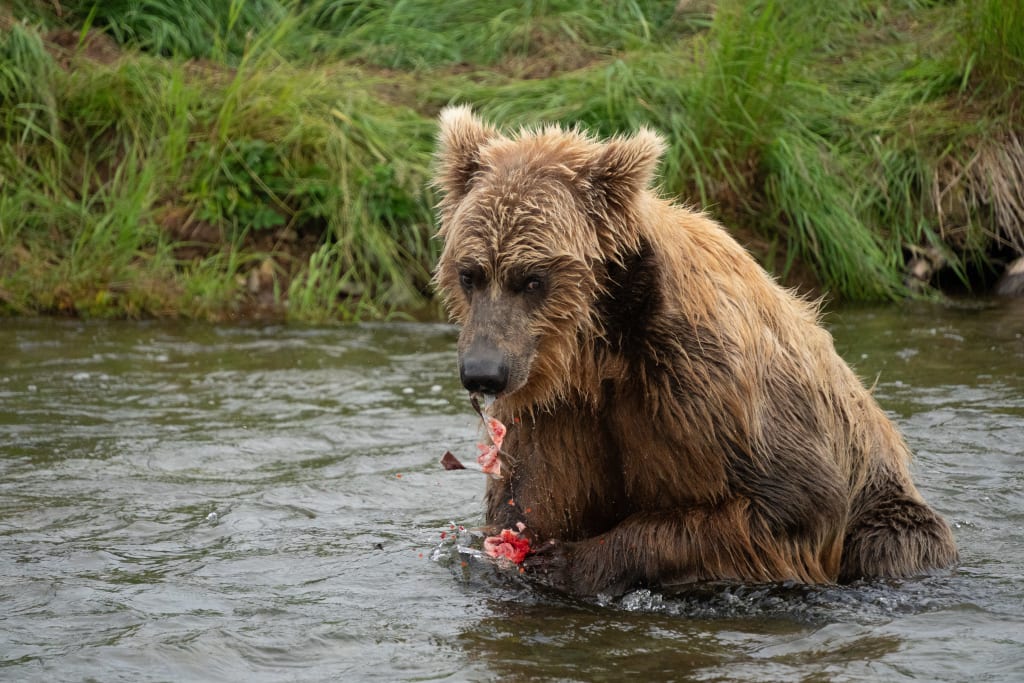
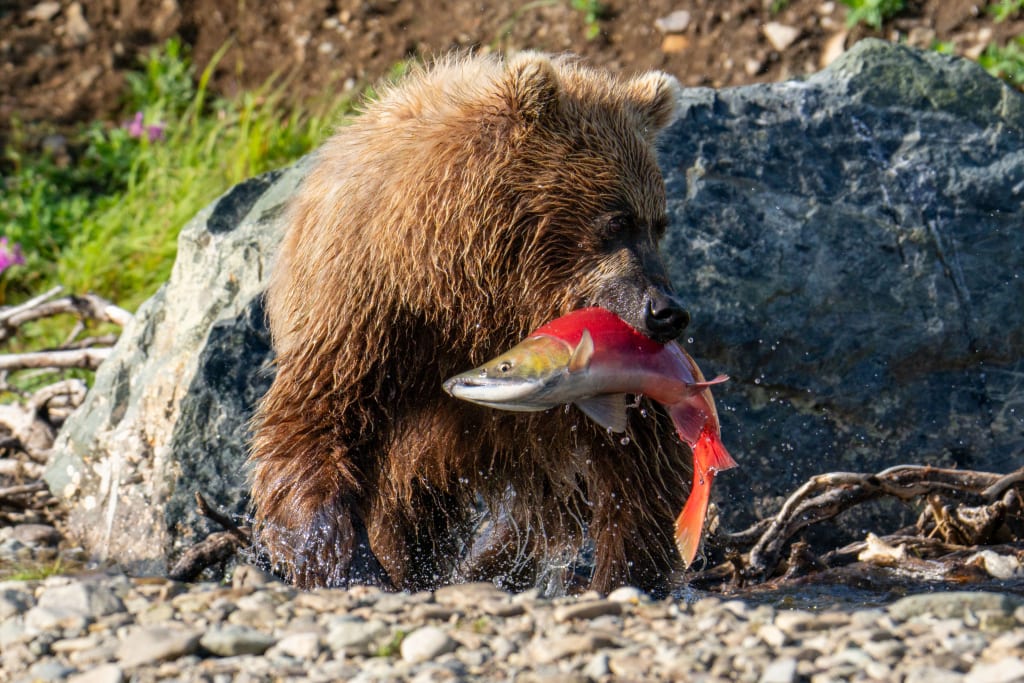
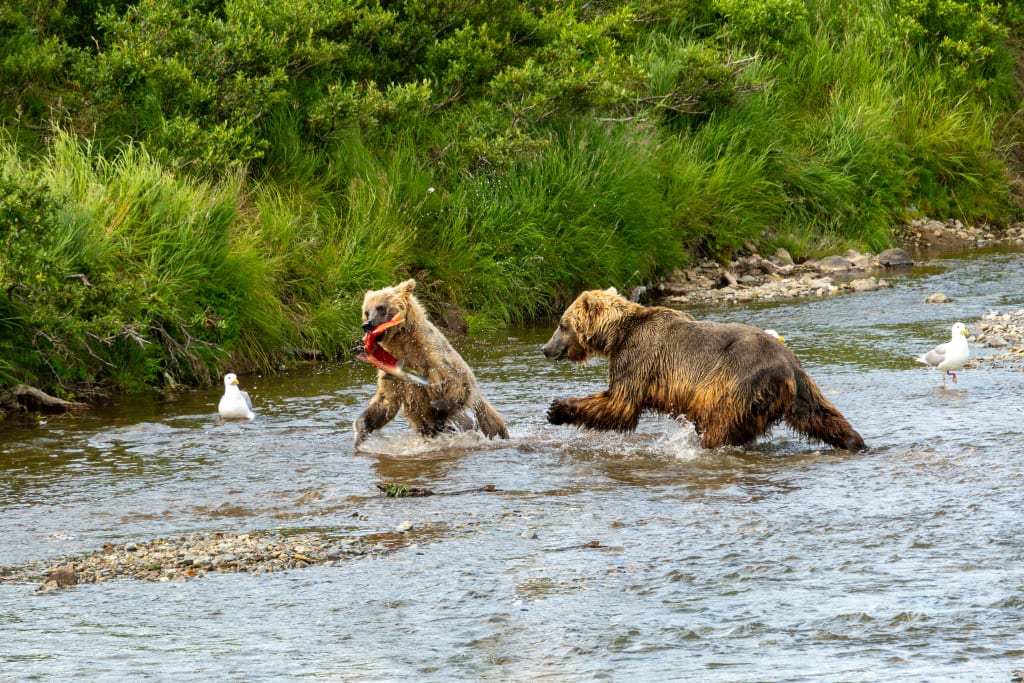
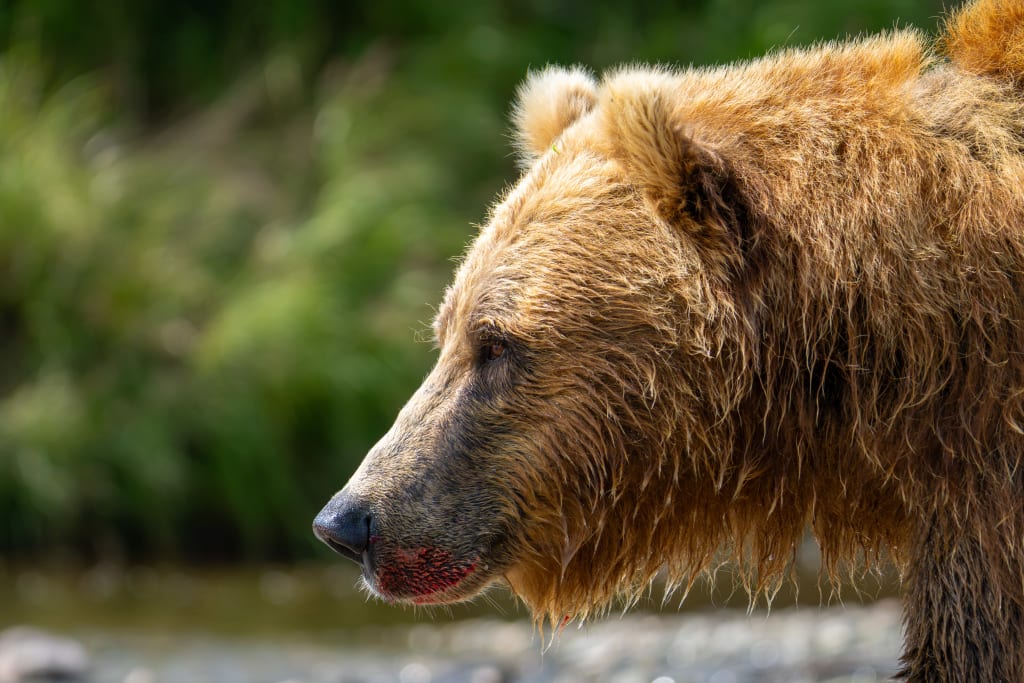
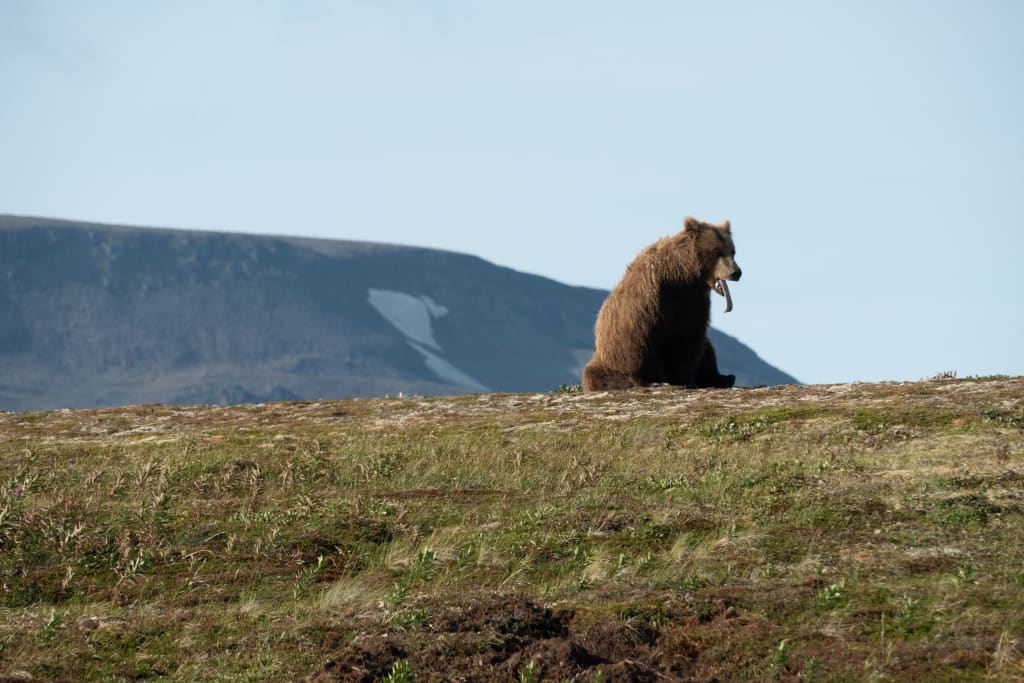
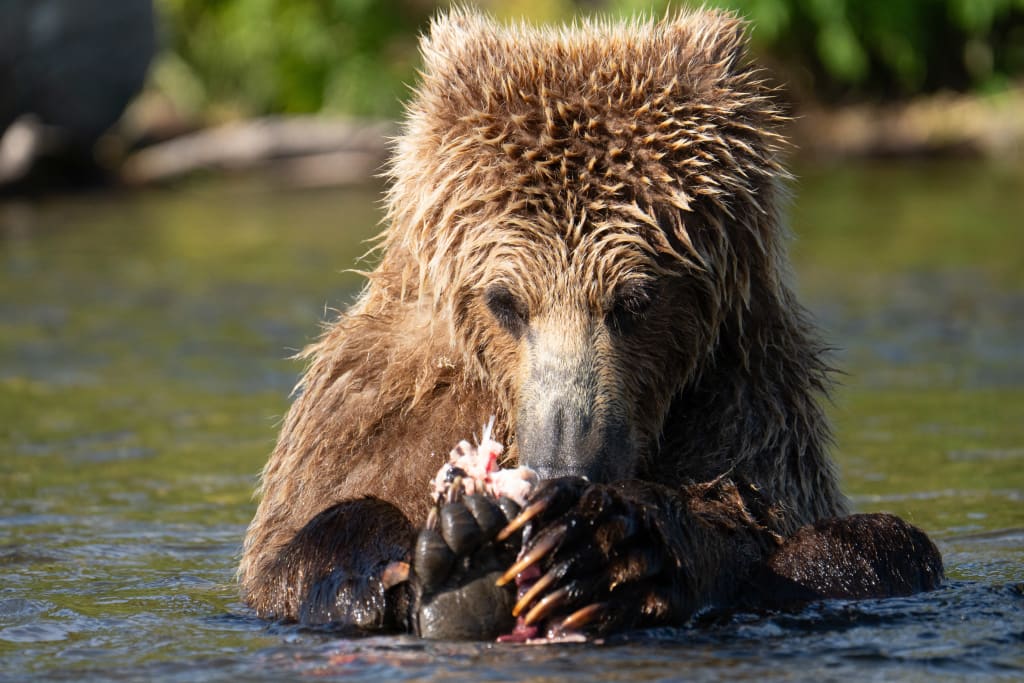
Bears eat sockeye salmon (pictured) and rainbow trout here in Katmai National Park & Preserve. They also eat berries and grass.I just love the cheeky look in this bear's eyes!These brown bears are often erroneously called grizzly bears. The main difference between the two is location and diet. The brown bears of Katmai live on the coast and have access to salmon. Their high caloric intake allows them to grow much larger. Grizzlies, on the other hand, live further inland and feast mostly on plants and bugs.A cub wrestles a fish away from mama and runs away with it.
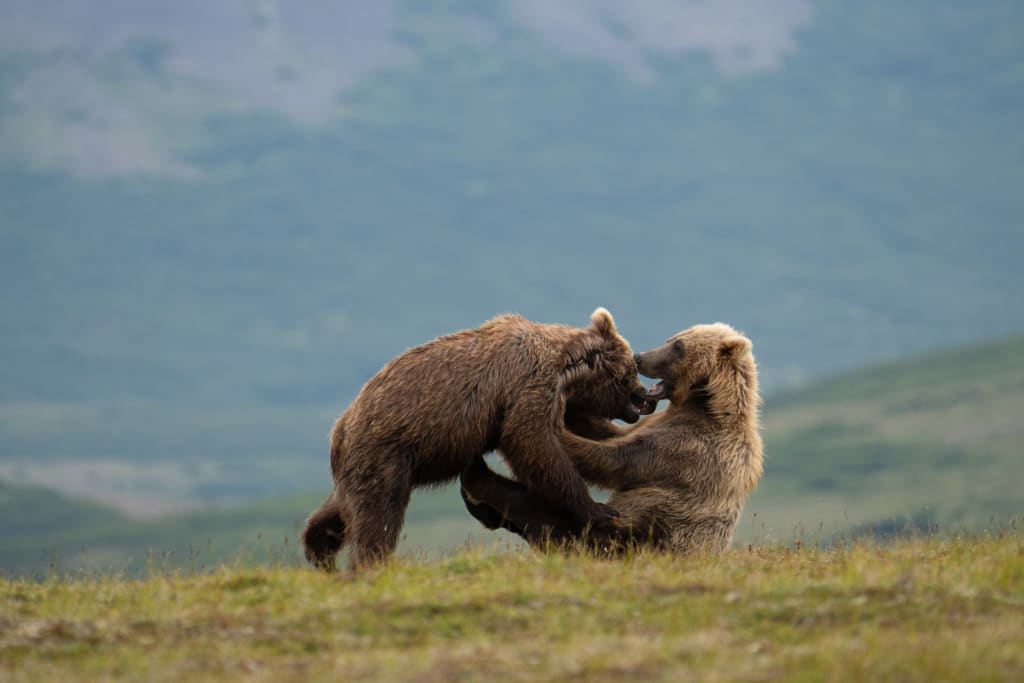
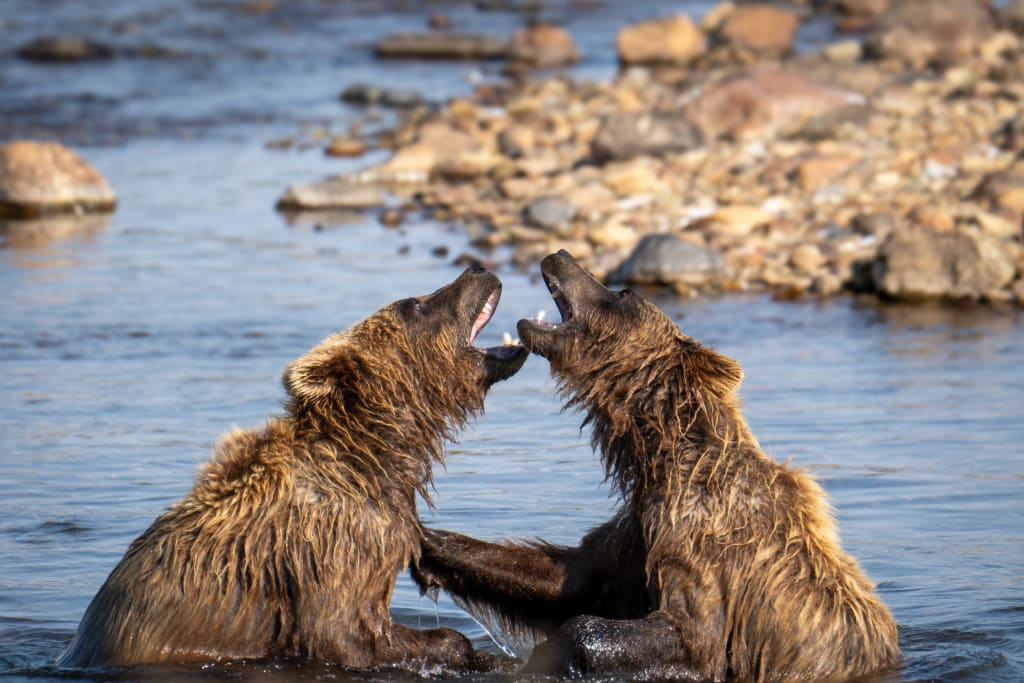
WRESTLING BEARS
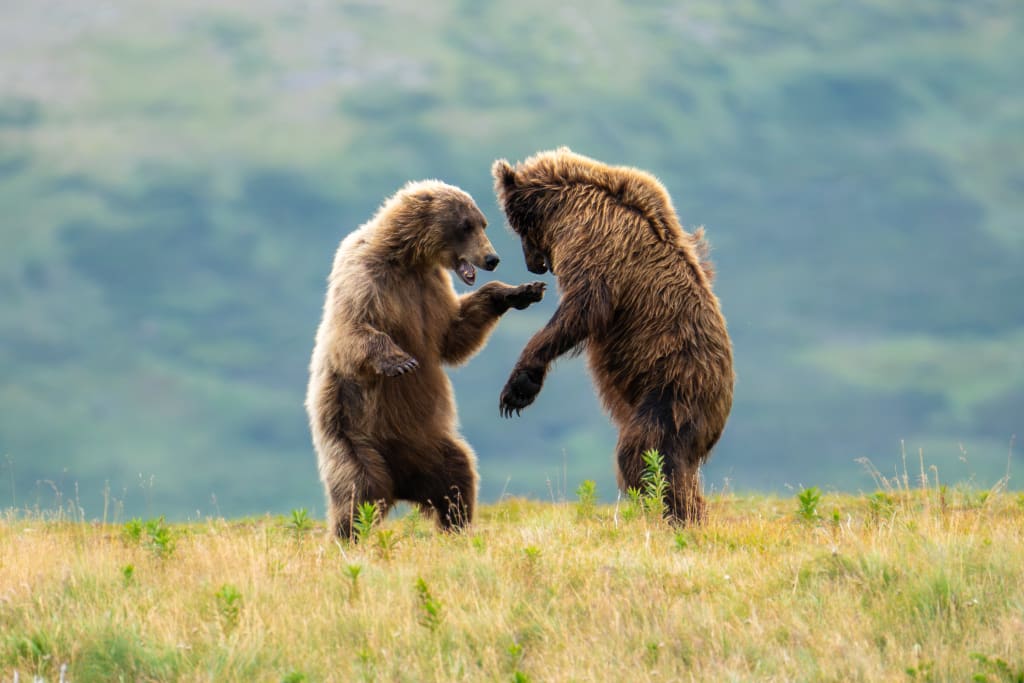
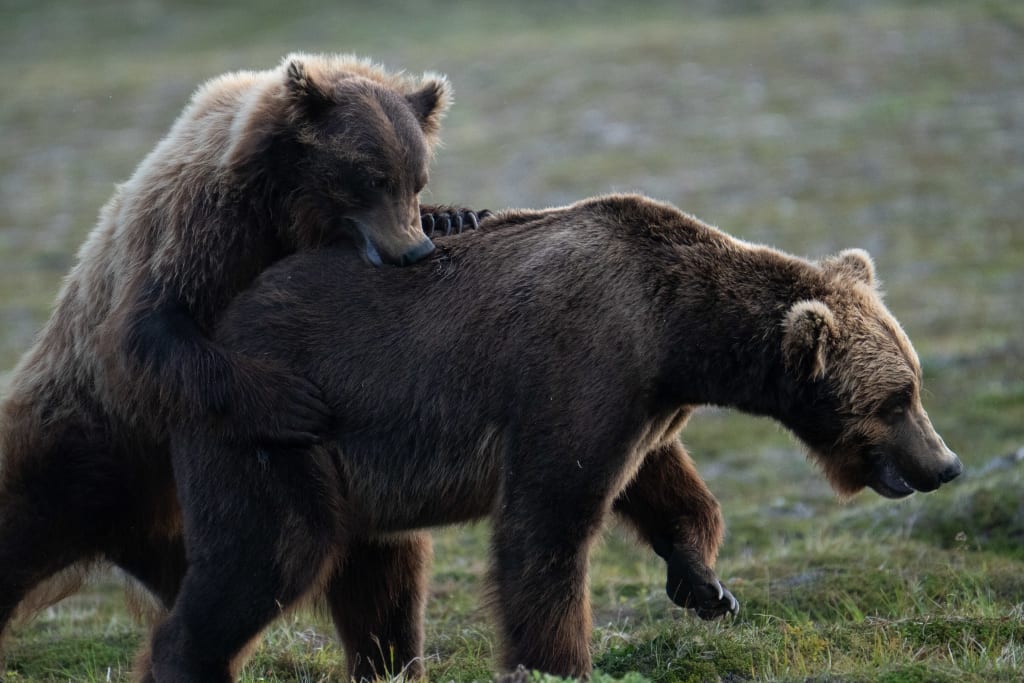
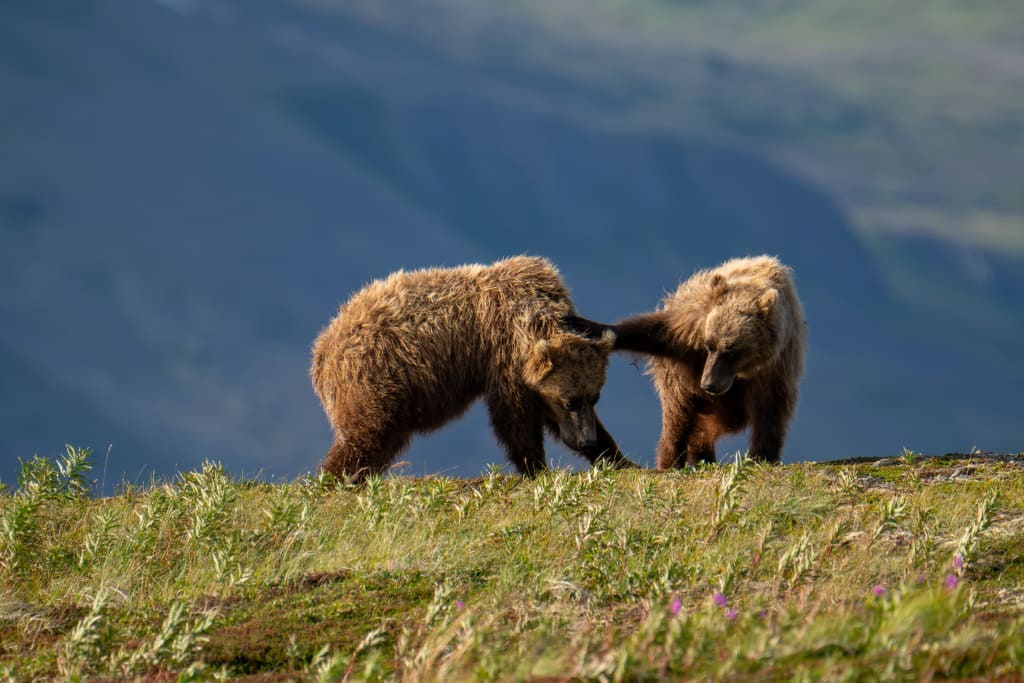
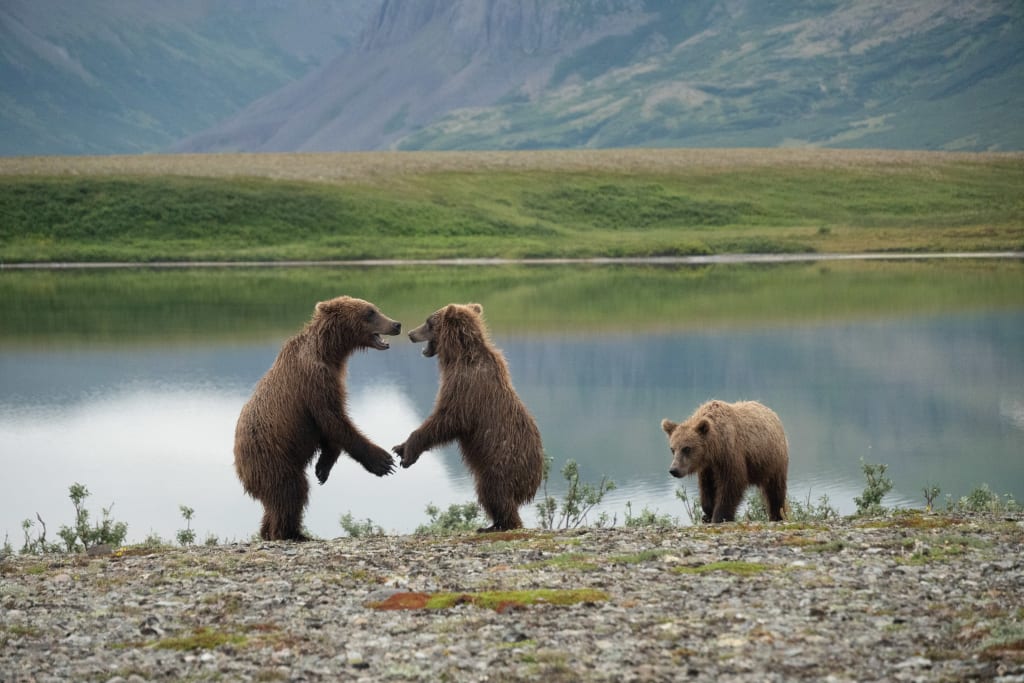
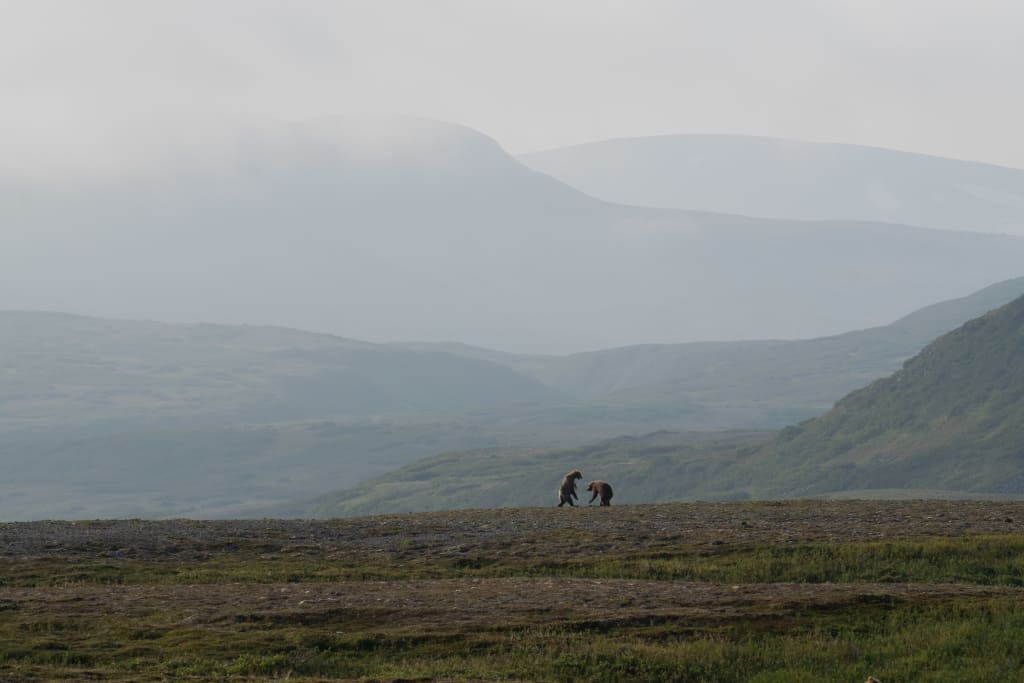
Wrestling with their siblings helps cubs build the skills they'll need to defend themselves once they grow up. Bears without siblings are at a disadvantage. Hopefully, their mom will play with them to teach them the skills they need.It's not just the cubs who wrestle. These adult males are brothers. Many believe that bears are strictly solitary once they graduate from their mother's care. That's not entirely true. Many siblings stick together until they are 8 or 9 years old, and there have even been cases of adult males rejoining their mother to help her care for her new cubs.
Alex and I made a great team here. He captured the video, and I got the photo.
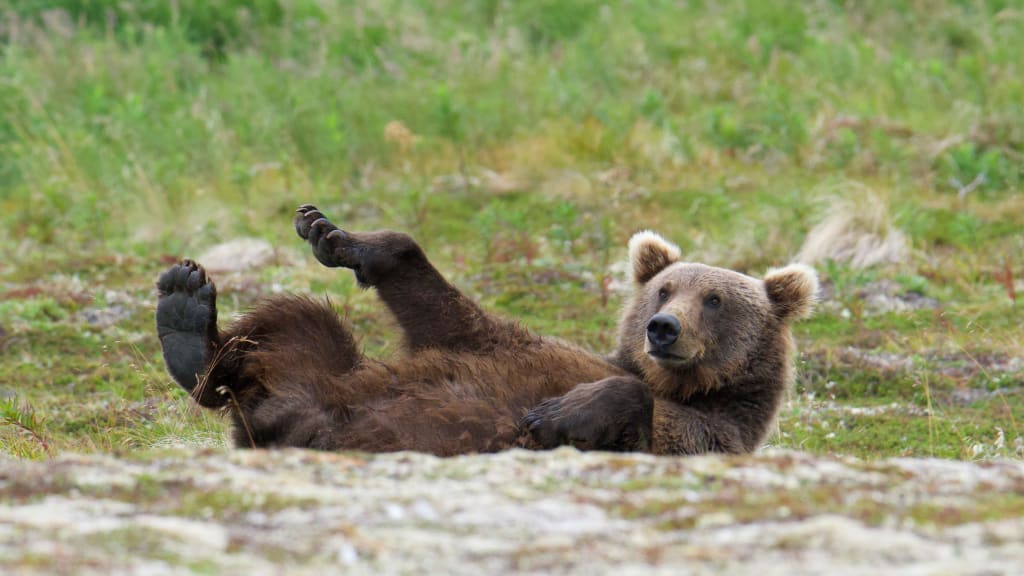
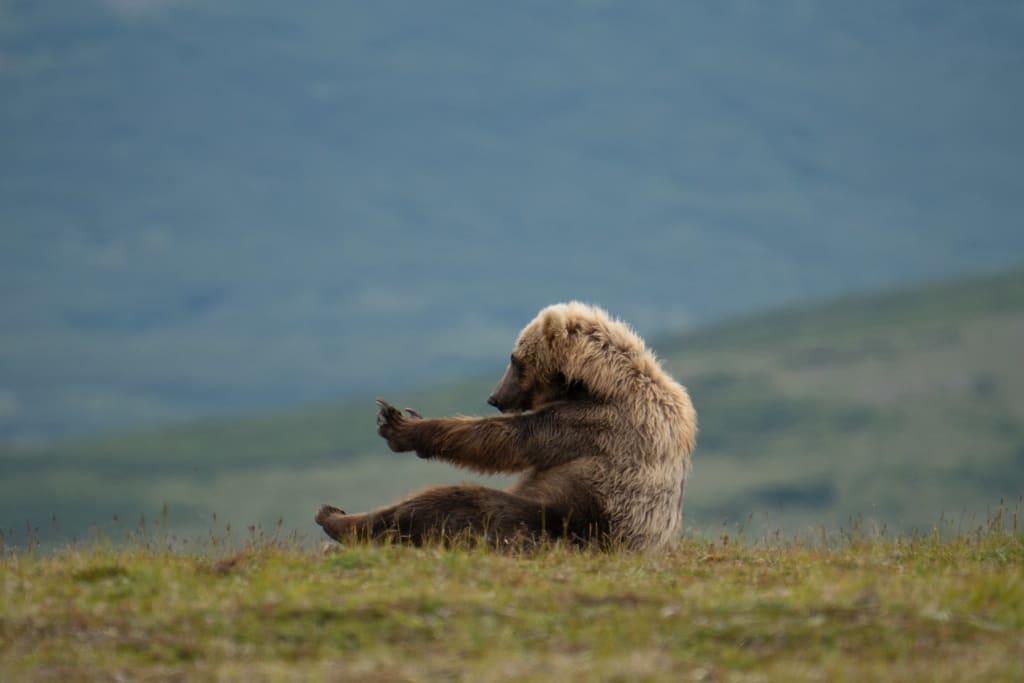
YOGA BEARS
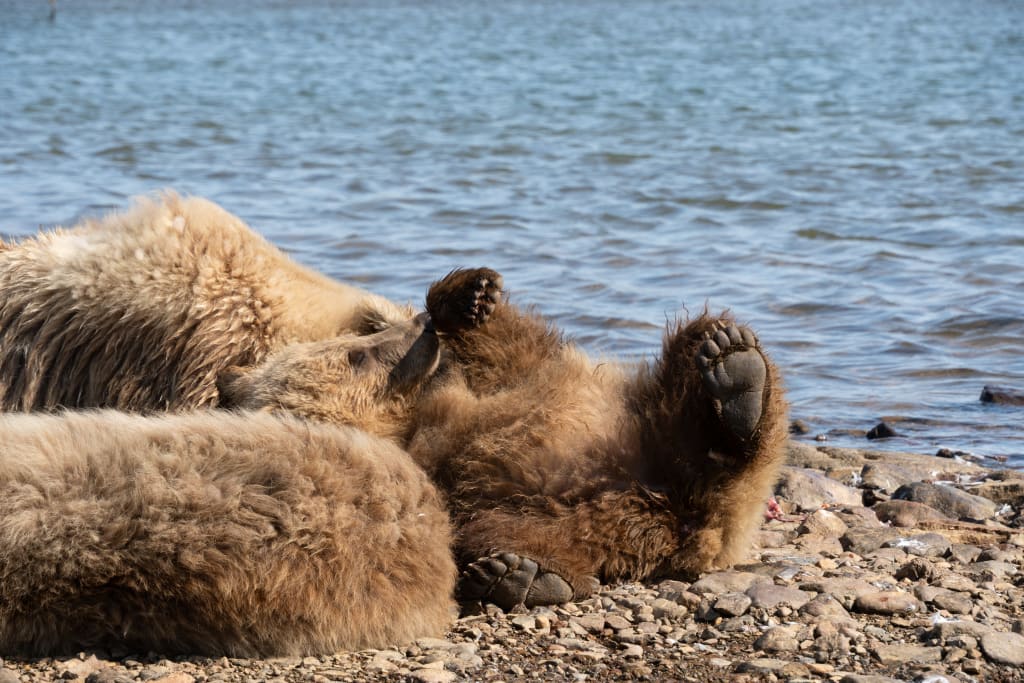
We had a habit of calling bears that did strange poses "yoga bears."
POLAR BEARS?
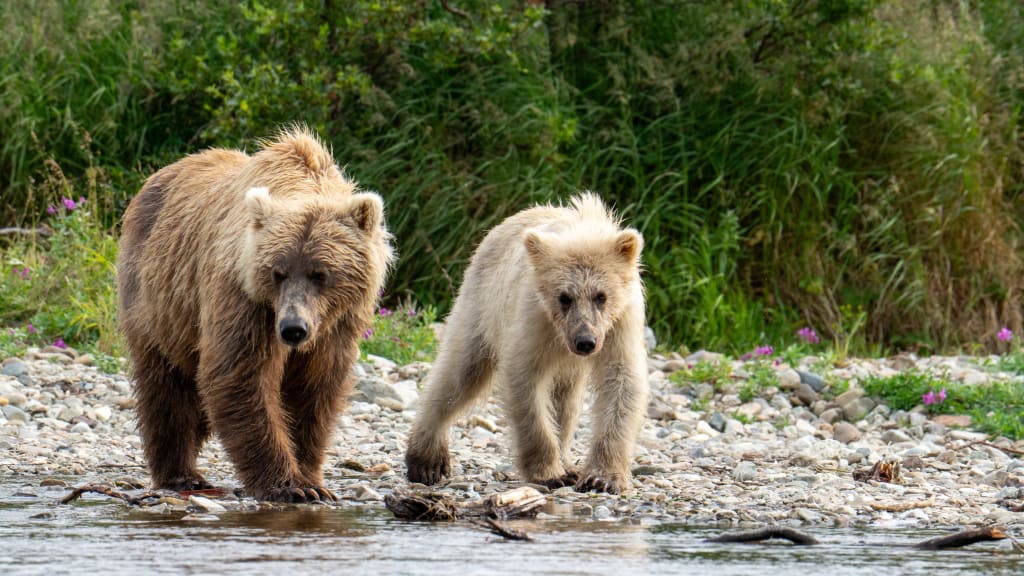
Brown bears come in all shapes and sizes...and colors? This bear cub, while it looks remarkably similar to a polar bear, is a blonde brown bear!
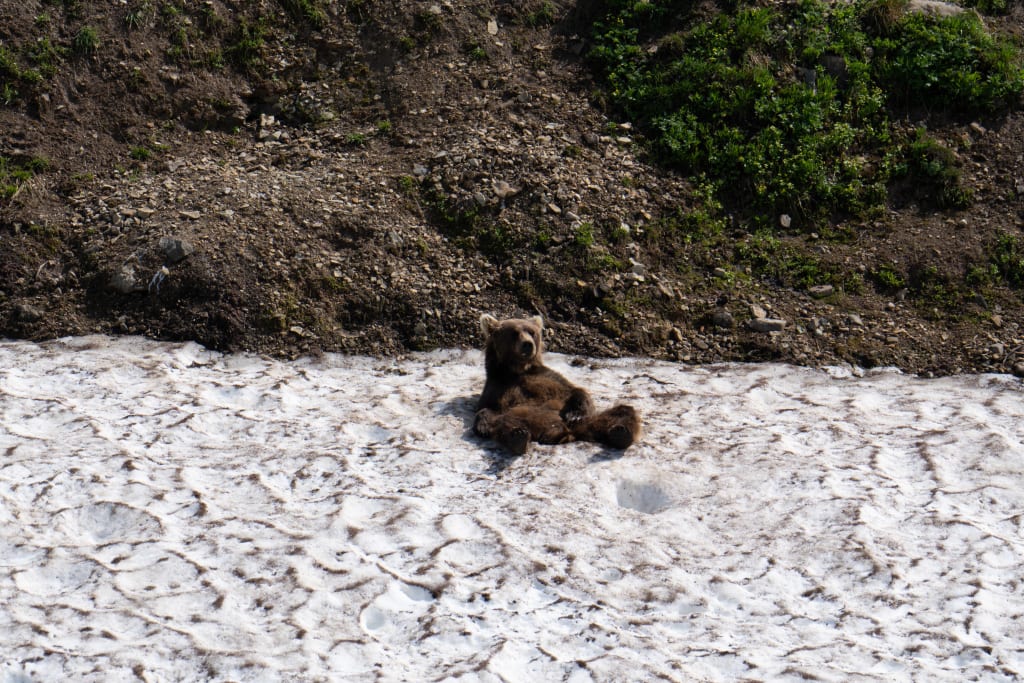
SNOW BEAR
SO MANY BEARS
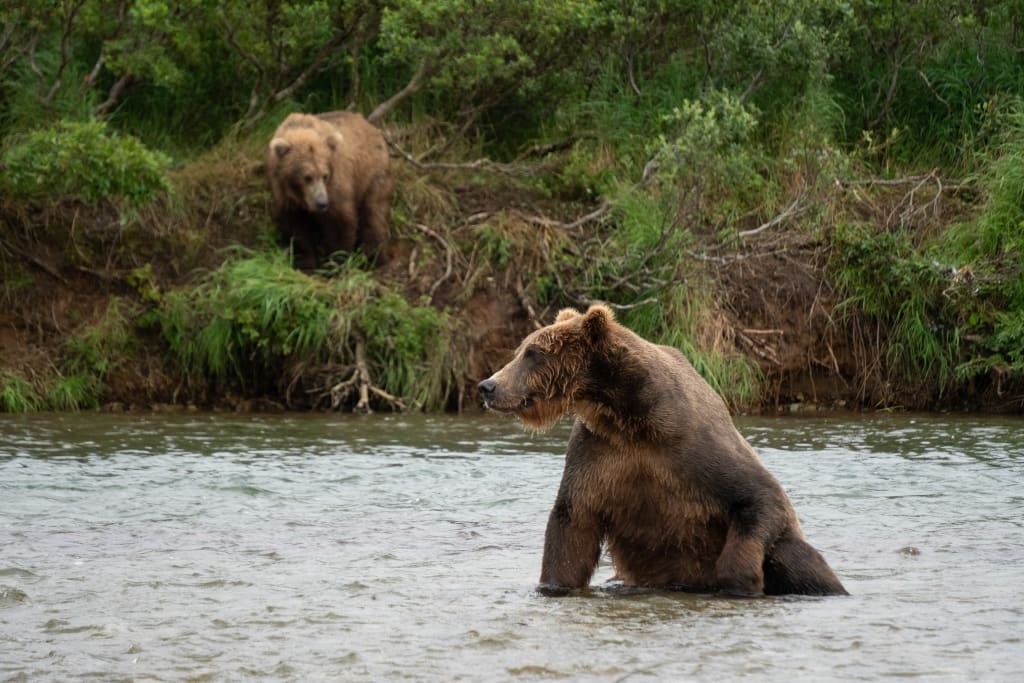
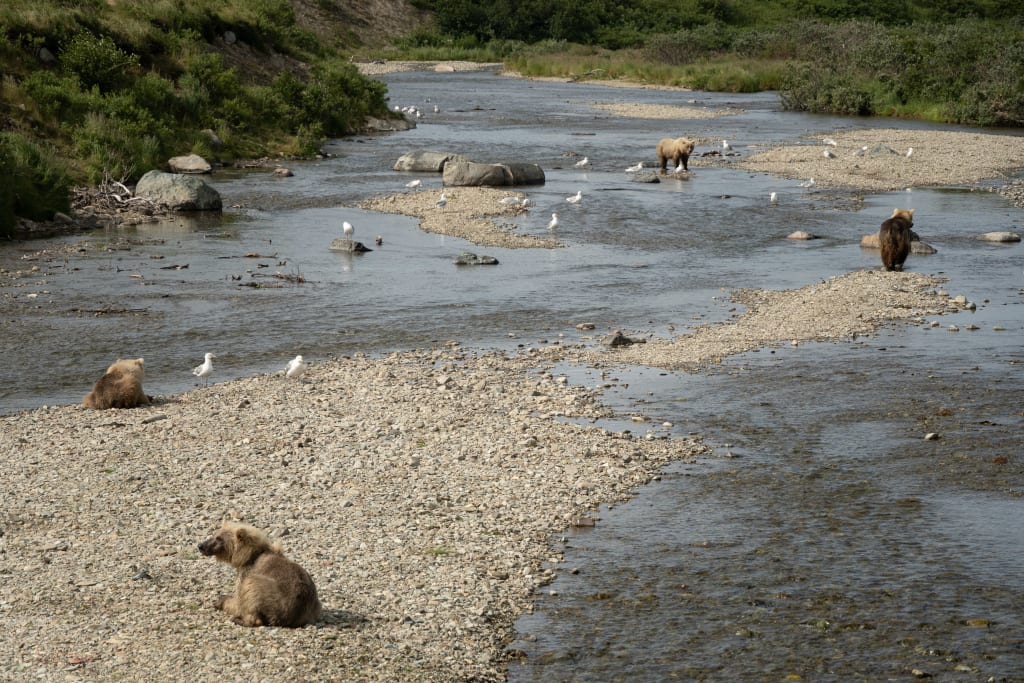
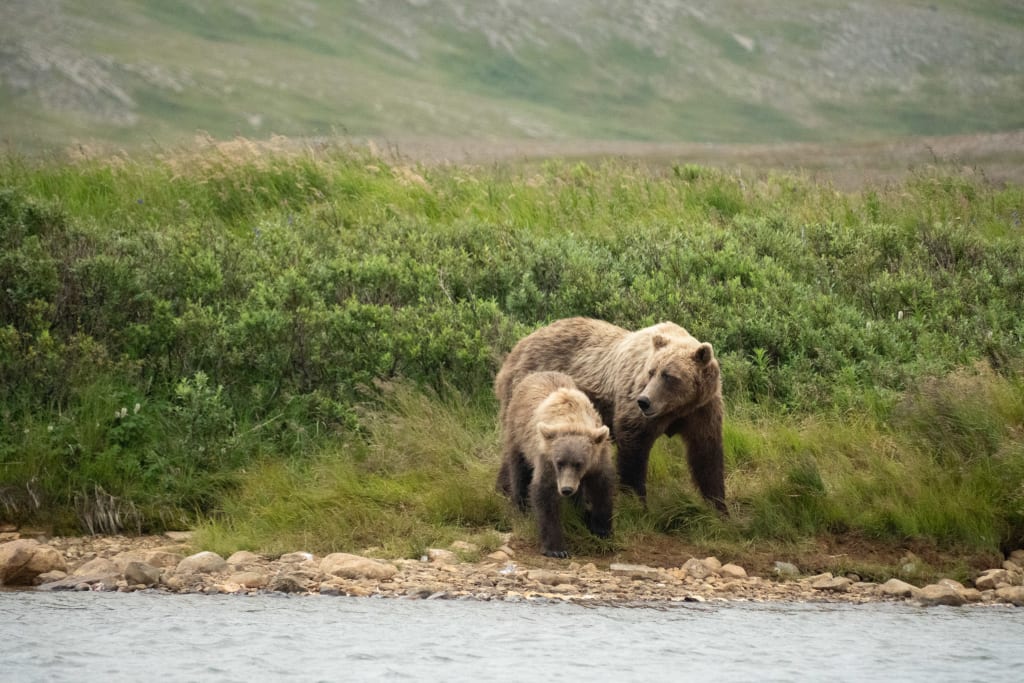
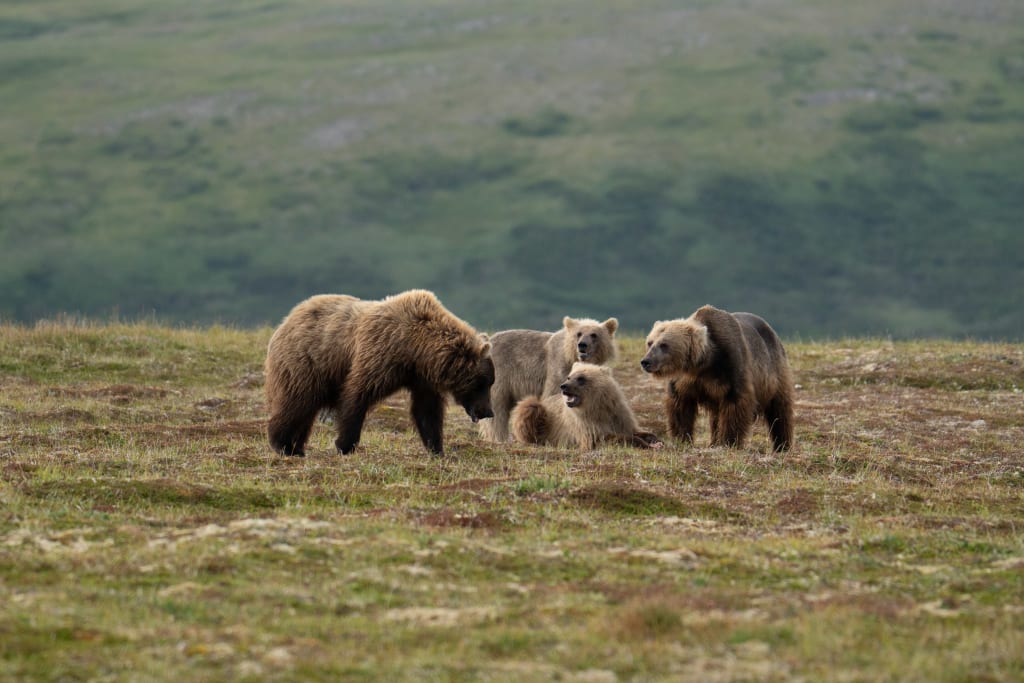
Female bears live up to 36 years old in the wild. Males live up to 32 years old.Bears everywhere! It's estimated that between 150 to 220 bears occupy this 2 mile stretch of river in Katmai National Park & Preserve. A handful of times throughout the trip, we had 10-12 bears all in our line of sight at the same time! In this photo, you can see four.Bears have between 1 and 4 cubs in each litter. They will care for them for 2.5 years (sometimes up to 3.5 years) before sending them off on their own.
BEAR FEATURES UP CLOSE
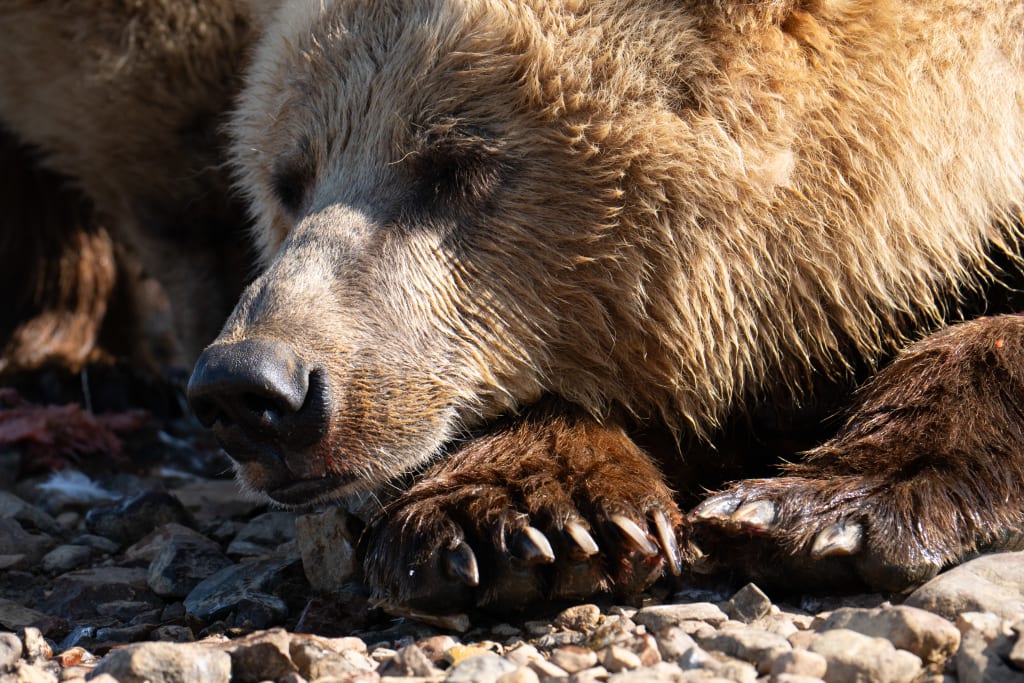
The perfect headshot.Look at that long tongue!I'm not messing with those claws!Bears in Katmai hibernate from October to April or May each year. Once mothers and cubs leave the den, they must abandon it and never return, because many predators (including wolves and other bears) can smell their presence and may stalk their den to hunt them when they return. Lone adult males will sometimes return to their dens after they leave them, as they do not face the same dangers.Bear cub paws
BEARS ON ALERT
This peaceful moment with a mama bear and her cubs was interrupted by a bear nearby. The cubs were alert, because they knew they were in danger. As soon as the coast was clear, they went back to breastfeeding.A mother and her two cubs warn another adult to stay away.
BEAR SILHOUETTES
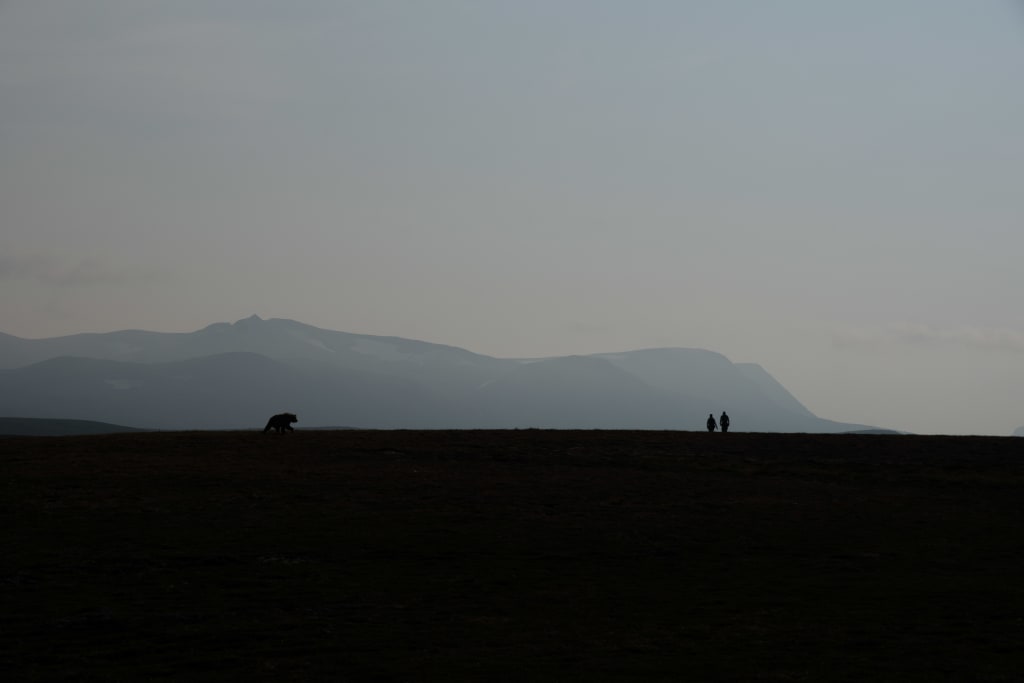
I LOVE this photo that Alex captured. You can see the outlines of the two humans and the bears perfectly.